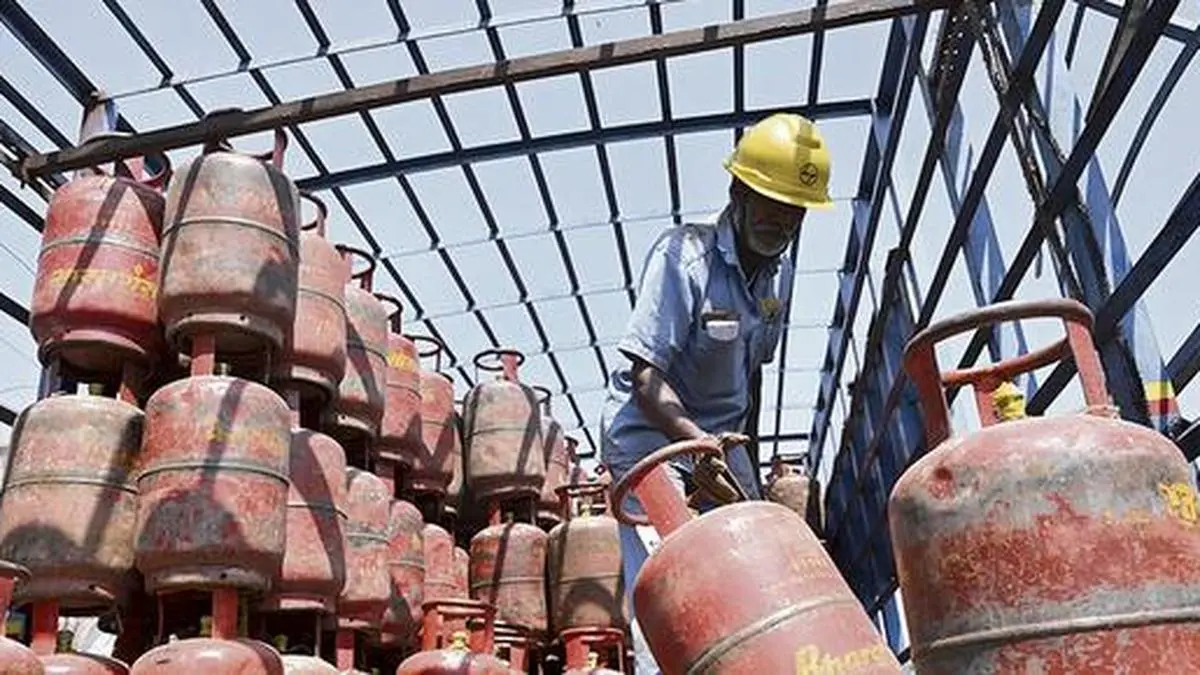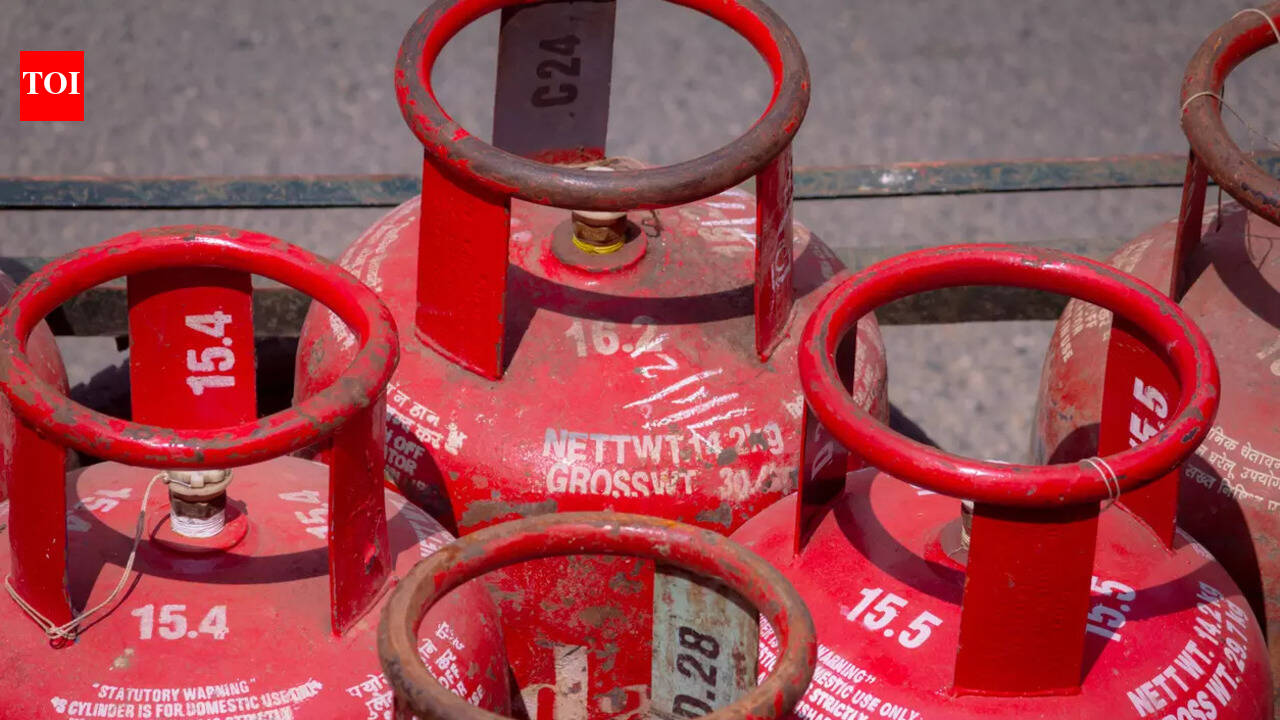
India's LPG subsidy bill is on track to surpass Rs 1 lakh crore (Rs 1 trillion) in the current fiscal year, massively exceeding the Rs 30,000 crore allocated in the Union Budget, according to a report by PL Capital. The research firm stated that the budget provision has already been overshot, with the current subsidy loss estimated at Rs 490 per LPG cylinder. If the spending pace continues, the total LPG subsidy outlay could cross Rs 1 trillion by end-FY27.
Subsidy Spending Accelerates Sharply
Data from the report shows that subsidy spending has accelerated sharply at the start of FY27. Between April and May 2026, the government spent Rs 755.4 billion on major subsidies, a 47% jump from Rs 512.5 billion in the same period last year. The table below breaks down the major subsidy heads:
| Subsidy Category | April-May 2026 (Rs billion) | April-May 2025 (Rs billion) | YoY Change |
|---|---|---|---|
| Food | 408.0 | 279.9 | +46% |
| Urea | 284.5 | 189.5 | +50% |
| Nutrient-based fertiliser | 60.1 | 43.2 | +39% |
| Petroleum | 2.8 | 0.0 | — |
"We estimate that the subsidy allocation of Rs 300 bn in budget for FY27 has been long overshot, and current LPG subsidy loss per cylinder is Rs 490 and at current run rate LPG subsidy might cross Rs 1 trillion." — PL Capital report
LPG Subsidy and Fiscal Pressure
The report attributes the rising LPG subsidy burden to the government's decision, along with oil marketing companies (OMCs), to absorb a larger share of higher fuel and LPG prices amid continued uncertainty related to the ongoing war situation. The petroleum subsidy, which stood at nil in the corresponding period last year, came in at Rs 2.8 billion during April-May 2026, reflecting the new cost.
Capital Expenditure Outlook
Despite the surge in subsidy spending, the government is likely to prioritize fiscal discipline. According to PL Capital, the Centre is expected to remain cautious with capital expenditure in the first half of FY27, preferring to keep the fiscal deficit under control rather than increasing borrowings. Capital expenditure stood at Rs 2.5 trillion by the end of May 2026, up 13% from Rs 2.2 trillion a year earlier. However, the report notes that this comparison is against a high base, as capital spending in FY26 had been front-loaded, resulting in a much sharper 54% year-on-year increase during that period. The rising subsidy commitments, combined with the focus on fiscal discipline, may keep capital spending measured in the first half of FY27.
Sources: