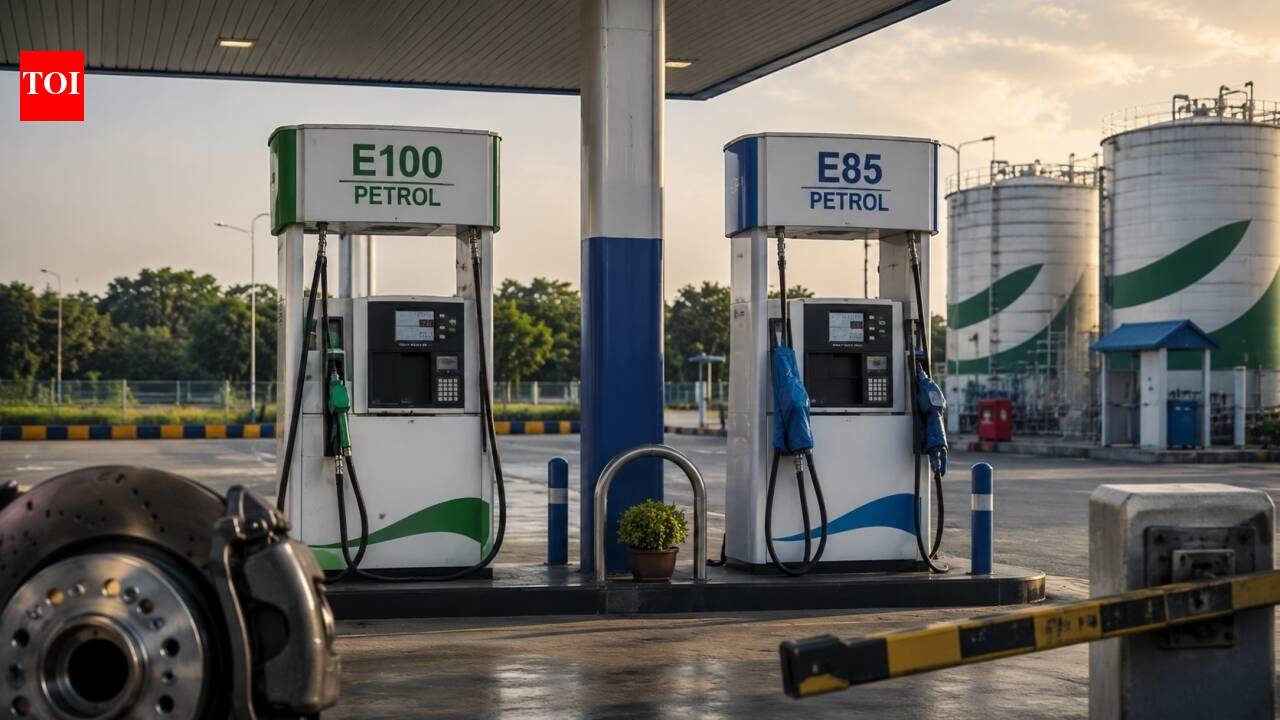
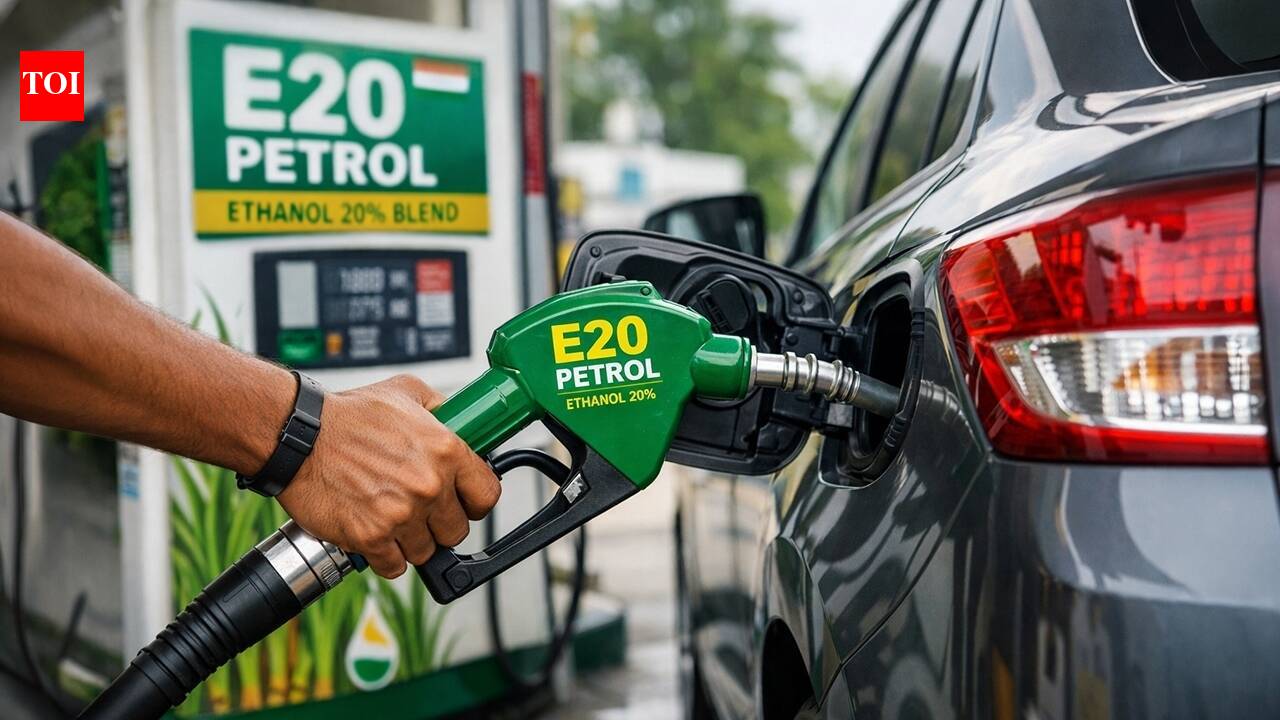
India’s biofuel journey has emerged as a compelling global example of how coordinated policymaking can accelerate the energy transition at scale, according to an article in Agri_TIO. The country’s ethanol blending programme has fundamentally transformed over the past decade, evolving from a supply-side initiative into a comprehensive national strategy that integrates energy security, agricultural resilience, industrial growth, and environmental sustainability. The nationwide rollout of E20 fuel (20% ethanol blended with petrol) and the structured introduction of E85 (85% ethanol) represent a strategic shift toward greater national fuel autonomy.
Institutional Coordination
A defining feature of this success has been the close institutional coordination between three pivotal nodal ministries, as reported by Agri_TIO: the Ministry of Petroleum and Natural Gas (MoPNG), the Ministry of Road Transport and Highways (MoRTH), and the Ministry of Heavy Industries (MHI). Historically, large-scale energy transitions fail due to bureaucratic silos where fuel production outpaces vehicle compatibility or vehicle manufacturing outpaces retail infrastructure. India bypassed this bottleneck by establishing a synchronised inter-ministerial ecosystem that addresses the entire value chain simultaneously—from upstream feedstock pricing and distillation capacity to downstream fuel distribution, vehicle safety standards, and fiscal incentives.
Policy Certainty Driving Investment
Recognising that vehicle manufacturers require long-term policy certainty before committing heavy investments to new powertrain technologies, the government established binding blending roadmaps, stringent fuel quality specifications, and clear infrastructure development plans. According to the source, this definitive framework gave the automotive industry the exact predictability it needed to respond proactively. Instead of viewing tighter blending mandates as a regulatory hurdle, original equipment manufacturers (OEMs) treated them as a commercial opportunity, secure in the knowledge that the retail fuel infrastructure would expand in tandem with their technological deployments.
Industry Agility and Infrastructure
The response from Indian automobile manufacturers has been remarkably swift. Several leading OEMs have already introduced or announced flex-fuel-compatible two-wheelers and four-wheelers. The pace at which manufacturers have adapted engine control units (ECUs), conducted materials validation trials for ethanol corrosivity, and prepared commercial products reflects both technological agility and deep confidence in the country’s policy direction. Equally noteworthy, public and private Oil Marketing Companies (OMCs) have begun establishing dedicated E85 dispensing facilities and modifying storage depots to handle higher ethanol blends securely. At the same time, specialised regulatory frameworks have evolved to ensure blend stability, safety, and consumer confidence at the pump.
Feedstock Diversification
To sustain this momentum, India has systematically diversified its feedstock base, moving beyond reliance on sugarcane-derived molasses. According to Agri_TIO, policy frameworks were adapted to encourage ethanol production from alternative First-Generation (1G) feedstocks. Significant volumes are
Sources: