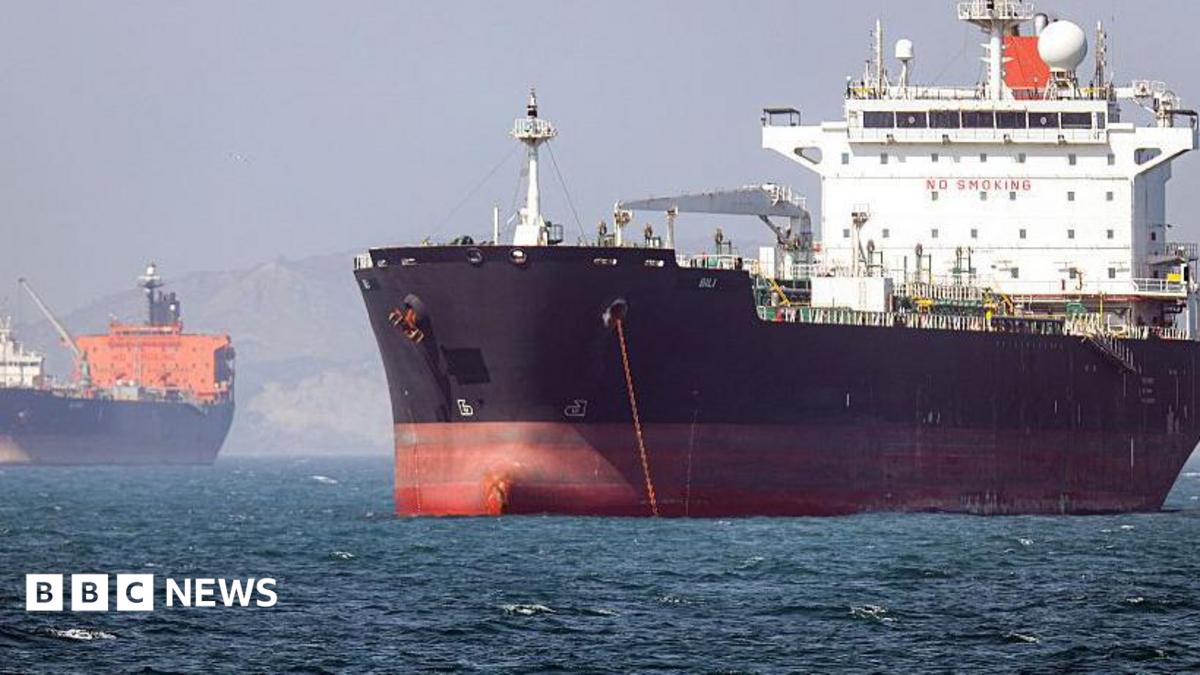
Oil prices have tumbled below $80 per barrel for the first time since early March, according to Business Today, approaching the $75 level seen before the Middle East conflict escalated. Around 7 am IST, West Texas Intermediate (WTI) crude was trading at $76.46 per barrel, while Brent crude stood at $79.41 per barrel – down from near $70 per barrel before the US-Iran conflict. Since the peace agreement announcement, both benchmarks have fallen by approximately 5%, touching three-month lows amid expectations that a US-Iran deal could pave the way for the resumption of oil flows through the Strait of Hormuz.
Peace Deal and Strait of Hormuz Reopening
Hiroyuki Kikukawa, chief strategist of Nissan Securities Investment, told Reuters, as cited by Business Today, "Oil markets retreated on expectations the Strait of Hormuz would reopen following the peace agreement, but traders held off further selling pending details." Kikukawa added that WTI crude is likely to remain volatile, fluctuating within a range of $10 above or below $80 a barrel.
US President Donald Trump said the deal would prevent Tehran from obtaining a nuclear weapon, while a US official stated that it would permit Iran to resume oil sales once the agreement was signed. The memorandum of understanding, which has not yet been made public, extends a fragile ceasefire first announced in April by another 60 days, allowing time for negotiations aimed at securing a permanent truce. Under the proposed arrangement, the United States would lift its blockade of Iran's ports, while Iran would permit oil tanker traffic through the Strait of Hormuz, which has effectively remained blocked since US and Israeli strikes on 28 February.
| Metric | Value |
|---|---|
| WTI price (7 am IST) | $76.46/barrel |
| Brent price (7 am IST) | $79.41/barrel |
| Pre-conflict level | ~$70/barrel |
| Fall since peace deal | ~5% |
| Three-month low | Yes |
Supply Recovery Challenges and Lingering Risks
Despite the diplomatic breakthrough, industry officials have cautioned that restoring production and refining activity to pre-war levels could take weeks, months, or even years, according to Business Today. Uncertainty over the durability of the truce also persisted as Israel distanced itself from both the April ceasefire and the latest US-Iran agreement.
Meanwhile, US intelligence agencies have cautioned that Iran now possesses the capability to effectively shut down the Strait of Hormuz whenever it chooses, according to a CNN report citing sources familiar with the assessments. "We have now handed Iran de facto control over the strait – a weapon more powerful than any nuke," one source familiar with the US intelligence assessments said, as cited by CNN. The intelligence findings suggested that Iran's actions during the recent conflict had demonstrated both the intent and capability to close the strategically important waterway, through which 20% of the world's oil and liquefied natural gas exports transit.
Implications for Traders and Analysts
For commodity traders and procurement teams, the current price dip presents both opportunities and risks. The possibility of increased Iranian oil flows could further depress prices in the near term, but the fragile nature of the truce and Iran's demonstrated ability to block the Strait of Hormuz introduce significant supply-side uncertainty. The volatility indicated by Kikukawa's forecast suggests that hedging strategies should account for sharp swings around the $80 level. With key details of the memorandum still undisclosed, market participants will closely watch for any signs of the truce solidifying or unraveling.
Sources: