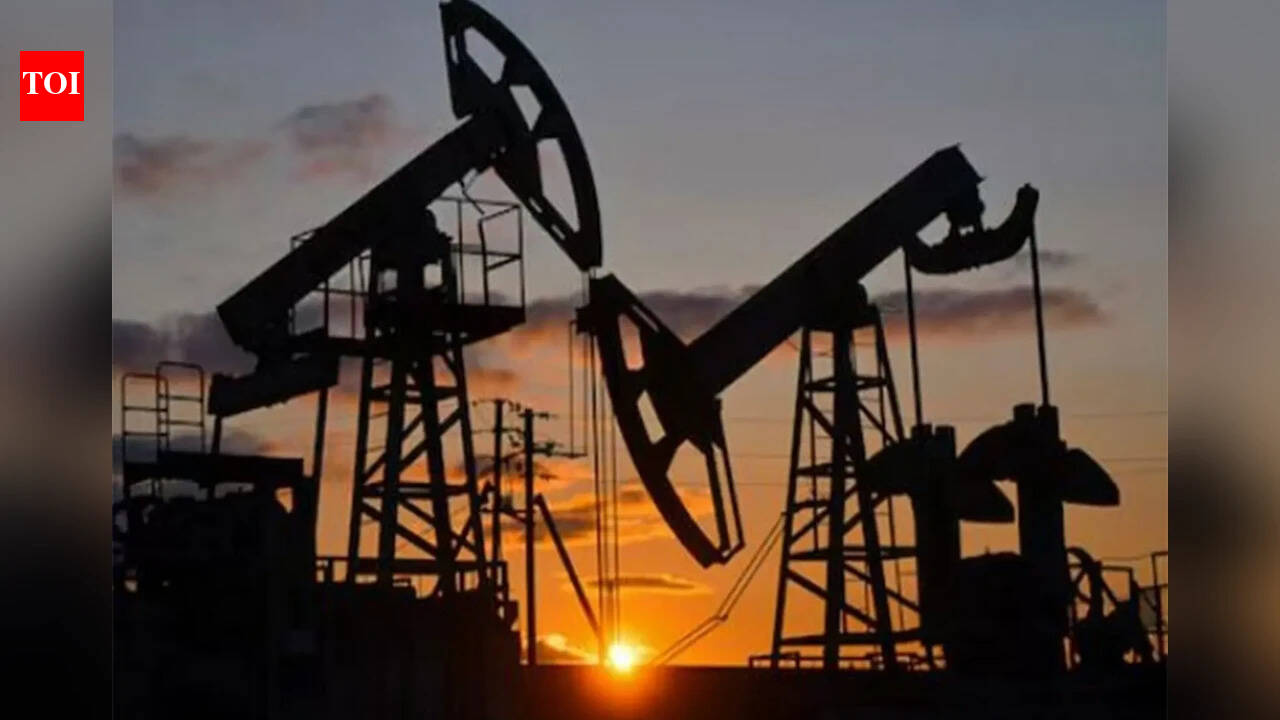
Oil prices rose more than 2% on Tuesday, August 11, 2026, as hopes of a near-term US-Iran peace deal weakened, according to The Hindu BusinessLine. At the time of reporting, Brent crude was trading at $89.806 per barrel, up 2.1%, while US crude stood at $84.386 per barrel, up 2.3%. The move came after US President Donald Trump declared that Washington would seek reparations from Tehran and asserted that the US Navy has "100 per cent control" over the Strait of Hormuz, the report said.
Price Snapshot
| Commodity | Price (per barrel) | Daily Change |
|---|---|---|
| Brent crude | $89.806 | +2.1% |
| US crude (WTI) | $84.386 | +2.3% |
Both benchmarks recorded gains of more than two per cent at the time of reporting, according to the publication.
US-Iran Tensions Escalate
The price surge was driven by shifting expectations around a potential diplomatic settlement between Washington and Tehran. In remarks to reporters at the Oval Office, Trump said:
"The only one that has control of the Strait of Hormuz right now is the United States Navy."
He added that Washington had a blockade in place and controlled which vessels could enter the strait. Trump also said the US would seek compensation from Iran in any future negotiations.
"They asked for reparations, they asked for money for the damage that we've done. And I said, that's a good idea. Well, we're to ask for money for the damage they've done over a 50-year period. So if there's damages to be paid, I think Iran should pay those damages," he said, according to the report.
These comments marked a reversal from his earlier stance. The Hindu BusinessLine reported that Trump had previously rejected Iran's demand for financial compensation over damages incurred during US-Israeli military operations in the country.
Trump's Reparations Demand
In a post on Truth Social, Trump stated that Iranian representatives were seeking compensation for damage caused during the "last five months Military Conflict", which he said began after Iran refused to give up its nuclear weapons ambition. The President said he had instructed US representatives to include his demands in all future negotiations with Tehran, according to the report.
Trump also demanded compensation from Iran for casualties and injuries he attributed to Iranian actions, citing alleged Iranian involvement in various conflicts and mentioning victims of the 2000 USS Cole bombing.
Strait of Hormuz Conditions
The latest comments come after Tehran linked its war reparation claims to conditions for a possible reopening of the Strait of Hormuz. Those conditions include:
- Lifting of US sanctions
- End of naval blockades
- Possible reopening of the strait
The Strait of Hormuz is a critical chokepoint for global crude shipments, and any disruption to energy flows through it would pose a significant risk to supply, the report noted.
Market Outlook
The developments have added to uncertainty over the prospects of a diplomatic settlement between Washington and Tehran, with oil prices responding to the changing expectations around the conflict and potential disruption to energy flows, The Hindu BusinessLine reported. Traders are now watching for further signals from both governments on the status of the strait and any possible negotiations.
Sources: