Oil prices rallied nearly 5% on Wednesday, and Wall Street opened lower, after US President Donald Trump declared the temporary truce with Iran effectively over, according to Business-Today. The sharp reversal in crude prices unsettled equity markets as investors braced for potential supply disruptions through the Strait of Hormuz.
Brent crude jumped 4.8% to $77.74 a barrel after briefly surpassing $79 earlier in the day, as reported by Business-Today. Although prices remain well below the highs seen earlier during the conflict, the latest gain reversed recent declines that had followed the initial ceasefire announcement.
Geopolitical Trigger: Trump Ends Ceasefire
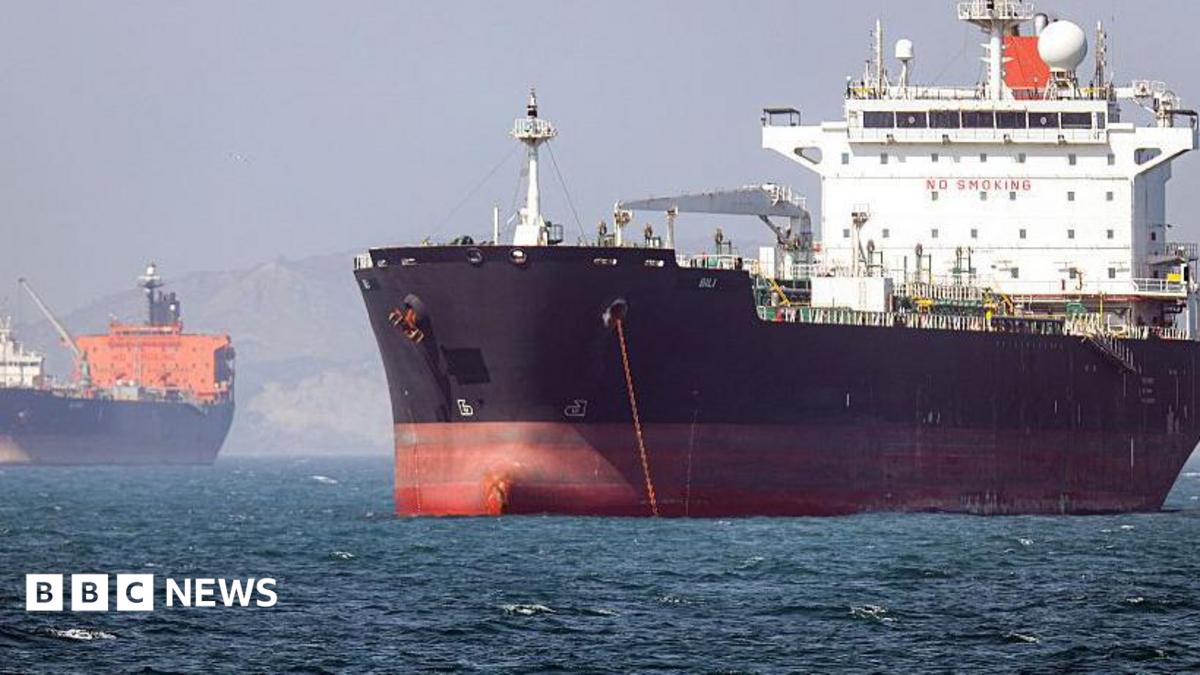
President Trump cast doubt on the temporary truce, stating, "For me, I think it's over," and added that talks with Iran could continue but "they're wasting their time." He later said the United States was preparing for another night of strikes against Iran, according to Business-Today. The remarks amplified fears that renewed fighting could disrupt shipping through the Strait of Hormuz, one of the world's most important oil transit routes. Any disruption could delay crude supplies, push up energy prices and fuel inflation worldwide.
Equity Markets Under Pressure
US stock indexes fell broadly. The S&P 500 declined 0.5%, while the Dow Jones Industrial Average dropped about 550 points, or 1%. The Nasdaq Composite was down 0.2%, though some technology stocks limited losses. Nvidia edged up 0.3% and Broadcom gained 4% after Apple announced a multi-year agreement worth more than $30 billion to develop custom components with the chipmaker.
Companies with high fuel exposure led declines:
- American Airlines fell 3.4%
- Norwegian Cruise Line Holdings declined 2.4%
Housing-related stocks weakened as rising bond yields raised concerns about higher mortgage rates:
- Builders FirstSource dropped 5.2%
- PulteGroup lost 3.8%
- DR Horton fell 3.6%
| Index/Asset | Move | Level |
|---|---|---|
| Brent Crude | +4.8% | $77.74/bbl |
| S&P 500 | -0.5% | — |
| Dow Jones | -1.0% (~550 pts) | — |
| Nasdaq | -0.2% | — |
| 10Y Treasury Yield | +3 bps | 4.58% |
Bond Market and Inflation Fears
In the bond market, the yield on the benchmark 10-year US Treasury note rose to 4.58% from 4.55% a day earlier, reflecting growing concerns over inflation. Higher inflation could force central banks, including the US Federal Reserve, to keep interest rates higher for longer or even raise them further, increasing borrowing costs and slowing economic growth, according to Business-Today.
Global Market Spillover
European markets also declined after Trump's remarks: Germany's DAX index fell 1.6%. In Asia, South Korea's Kospi index dropped 5.3%, while Hong Kong's Hang Seng index rose 3%.
Outlook and Key Data
Market participants are now closely watching for further developments in US-Iran relations and any additional military actions. The potential for supply disruption through the Strait of Hormuz remains a key risk for crude prices. For commodity traders and procurement teams, the spike in oil prices underscores acute geopolitical exposure in energy markets. If renewed hostilities escalate, Brent could test recent highs, while downstream sectors like airlines and shipping face immediate cost pressures. The coming days will bring EIA inventory data and any diplomatic signals from Tehran or Washington that could either ease or intensify the supply fears.
Sources: