iGEN
Visit IGEN World Explore IGEN Expo
EXPLORE UPGRADE PLANS
BREAKING
CMA CGM and Stonepeak Launch United Ports LLC in $2.4 Billion Terminal Joint Venture UPS shift away from Amazon shows bigger payoff Lanesurf: 62% of Loads Get Vetted Carrier Offers Before Brokers Arrive India-China Border Trade Via Lipulekh Resumes Aug 1; China Permits 20 Traders Geopolitics Drives CMA CGM Q2 Profit Surge of 42% as Volumes and Rates Climb Benchmark Diesel Price Rises Third Week as Futures Plunge; Spread Hits Record Indian Government Limits Sugar Dealers to 400 Tonnes Stock Until November to Curb Hoarding Tenants signing longer leases for larger warehouses as 3PLs lock in capacity US stock market flat as S&P 500 and Dow barely move, Nasdaq slides over 1% on chip rout TruAlt Bioenergy Q1 Net Zooms to ₹59.27 Crore on Higher Revenues, Capacity Expansion CMA CGM and Stonepeak Launch United Ports LLC in $2.4 Billion Terminal Joint Venture UPS shift away from Amazon shows bigger payoff Lanesurf: 62% of Loads Get Vetted Carrier Offers Before Brokers Arrive India-China Border Trade Via Lipulekh Resumes Aug 1; China Permits 20 Traders Geopolitics Drives CMA CGM Q2 Profit Surge of 42% as Volumes and Rates Climb Benchmark Diesel Price Rises Third Week as Futures Plunge; Spread Hits Record Indian Government Limits Sugar Dealers to 400 Tonnes Stock Until November to Curb Hoarding Tenants signing longer leases for larger warehouses as 3PLs lock in capacity US stock market flat as S&P 500 and Dow barely move, Nasdaq slides over 1% on chip rout TruAlt Bioenergy Q1 Net Zooms to ₹59.27 Crore on Higher Revenues, Capacity Expansion
Home ›› Commodities ›› Commodities Energy ›› Strait of Hormuz Reopens: Middle East Oil Exports to Climb to 4-Month High

Strait of Hormuz Reopens: Middle East Oil Exports to Climb to 4-Month High

The Strait of Hormuz is recovering after over 100 days of disruption, with Middle Eastern fuel oil exports expected to reach 2.4 million metric tons in June, a 20% increase from May. Exports are driven by supply diversions from Iraq and Saudi Arabia, though volumes remain below pre-war averages. Uncertainty over the US-Iran peace deal durability keeps shipping cautious.

iG
iGEN Editorial
June 25, 2026
Strait of Hormuz Reopens: Middle East Oil Exports to Climb to 4-Month High

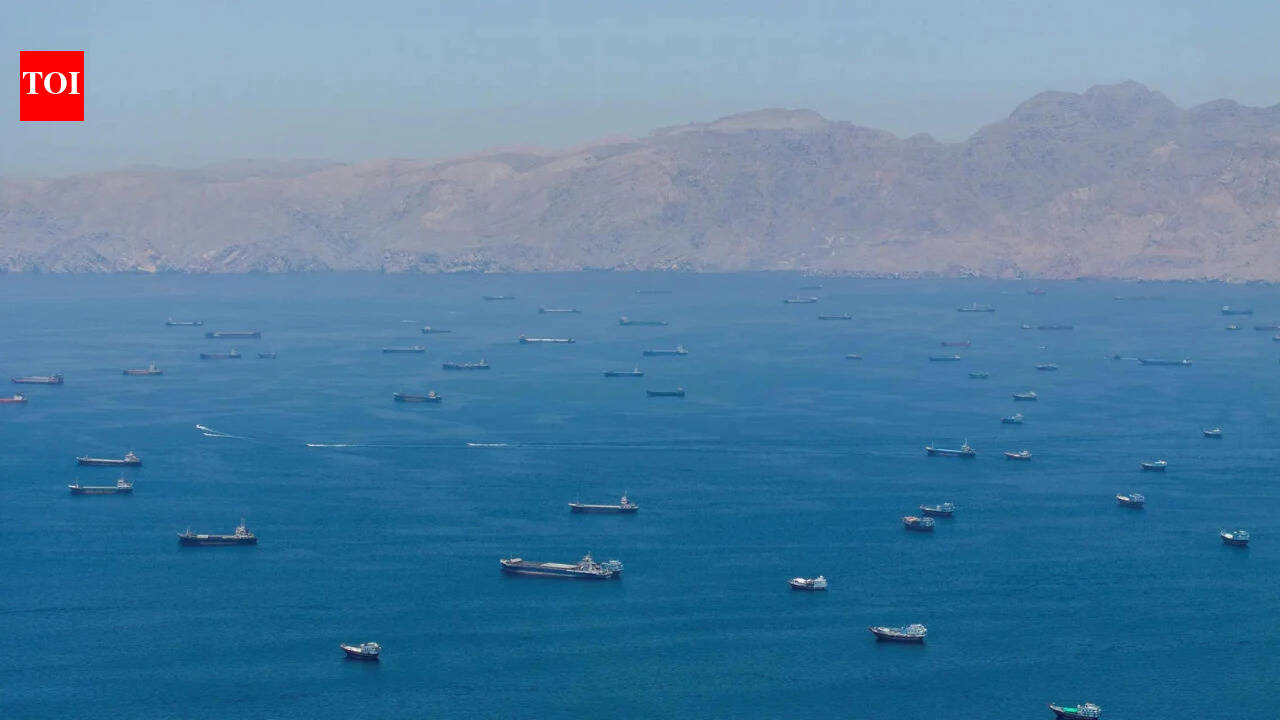
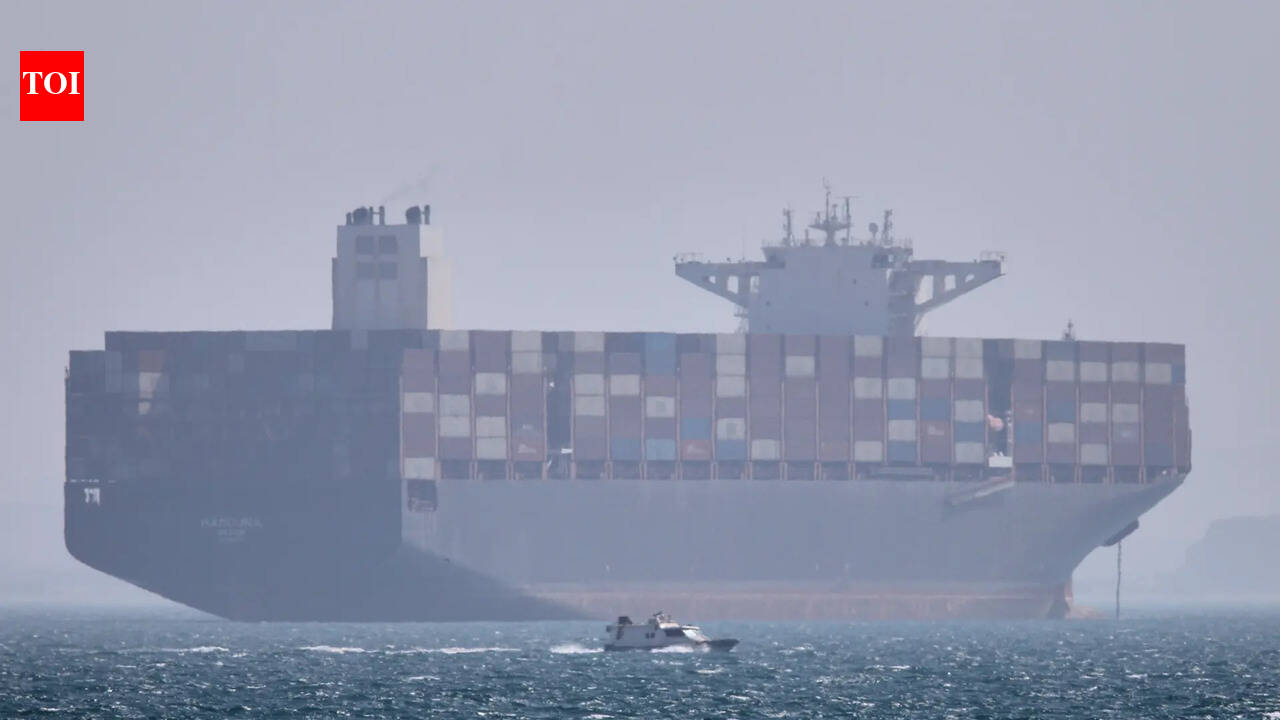
The Strait of Hormuz is slowly recovering after more than 100 days of disruption, with tankers once again flowing through the key passage. According to trade sources and shipping data cited by Reuters, Middle Eastern fuel oil exports are expected to climb to a four-month high in June, driven by supply diversions from Iraq and Saudi Arabia and a gradual increase in shipments through the strait.

Supply Diversions Drive Export Recovery

Data from Kpler and LSEG, cited by Reuters, indicates that Middle Eastern exports are projected to reach around 2.4 million metric tons (508,000 barrels per day) in June, marking an increase of more than 20% compared with May. However, this remains significantly below the pre-war monthly average of 5.5 million to 6.0 million tons.

Iraq began exporting fuel oil via Syria's Baniyas port for the first time in March, with volumes reaching a record high of over 600,000 tons in June. "Iraq remains focused on diversifying export routes, with the Syrian corridor serving as a strategic alternative to Hormuz," said Palash Jain, Middle East oil consultant at FGE NexantECA. Before the Iran war, Iraq mainly exported fuel oil from the Khor al-Zubair port.

Saudi Arabia is set to export over 300,000 tons of fuel oil in June, the highest in five months, from the Red Sea port of Yanbu, where it has redirected supplies. Oman fuel oil exports are also expected to reach nearly 300,000 tons in June, marking the highest level in more than two years.

Country June Export Volume (metric tons) Notes
Iraq (via Syria) >600,000 Record high, first via Baniyas
Saudi Arabia >300,000 Highest in 5 months, via Yanbu
Oman ~300,000 Highest in >2 years

The top three Middle Eastern HSFO (high sulfur fuel oil) exporters in June are Syria, Saudi Arabia, and Oman, according to shipping data. Before the war, Iraq, Kuwait, Iran, and the United Arab Emirates were among the leading exporters.

Cautious Recovery Amid Geopolitical Uncertainty

Supply from the region may rise further as more cargoes begin to move out of the strait following an interim agreement between the United States and Iran aimed at ending their conflict. Since the deal, oil prices have tumbled from the beyond $100 per barrel mark to pre-war levels of $70 per barrel.

On Wednesday, the Aframax tanker Gamsunoro, carrying about 80,000 tons of fuel oil loaded in Iraq, exited the Strait of Hormuz and headed towards Fujairah, according to LSEG shipping data.

"Fuel oil flows through the Strait of Hormuz are expected to increase over the next 60 days, but the recovery is unlikely to be substantial," said Palash Jain. He added that uncertainty over the outcome of negotiations and the durability of the peace deal is likely to keep shipping activity cautious.

Other factors that may limit export growth include tight regional balances, limited scope for a sharp rise in refinery runs, and approaching peak summer demand, Jain noted.

Iranian Exports Remain Constrained

Meanwhile, trading sources expect Iranian fuel oil trade to remain constrained despite the interim peace deal's 60-day US sanctions waiver, as banking and payment challenges are likely to continue acting as a key hurdle.

Implications for traders and analysts: The recovery in Strait of Hormuz flows is underway but remains fragile. The 20% month-on-month increase in exports offers near-term relief for tight global fuel oil supplies, particularly for HSFO used in power generation and shipping. However, volumes are still less than half the pre-war average, and the risk of renewed disruption persists. Traders should monitor US-Iran negotiations and the pace of Iraqi and Saudi diversions via alternative routes such as Syria's Baniyas and Saudi Arabia's Yanbu.


Sources: Business-Today

Keep Reading

Recommended Stories

Crude Comeback: 20 Million Barrels Leave Iran Port After Peace Breakthrough Commodities

Crude Comeback: 20 Million Barrels Leave Iran Port After Peace Breakthrough

A wave of 11 tankers carrying 20 million barrels of crude oil departed from Iran's Chabahar port after a peace breakthrough between Tehran and Washington, according to shipping data cited by Bloomberg. The vessels had been blocked by a US military blockade, and the move signals a potential easing of oil supply constraints. Uncertainty remains as peace negotiations are delayed.

June 20, 2026
Crude oil futures slip after improvements in Hormuz shipping traffic Commodities

Crude oil futures slip after improvements in Hormuz shipping traffic

Crude oil futures declined on Friday as shipping traffic through the Strait of Hormuz improved after the US and Iran signed an interim peace deal. August Brent fell 0.90% to $77.13, and July WTI dropped 0.69% to $76.07. On MCX, crude futures rose slightly. US Central Command confirmed the lifting of the blockade, while President Trump highlighted the market impact.

June 19, 2026
Crude Oil Down 2% as Strait of Hormuz Resumes Shipments Despite Vessel Strike Near Oman Commodities

Crude Oil Down 2% as Strait of Hormuz Resumes Shipments Despite Vessel Strike Near Oman

Crude oil prices fell 2% on Friday, headed for an 8% weekly loss, as more tankers exited the Strait of Hormuz following a ceasefire deal. Saudi Aramco resumed loading at Ras Tanura after a four-month halt. Despite a vessel hit near Oman and earthquakes in Venezuela, supply concerns eased with increased flows, while demand from China remained weak.

June 26, 2026
All Roads Still Lead to the Middle East: Why India’s Energy Pipeline Runs Through the Gulf Commodities

All Roads Still Lead to the Middle East: Why India’s Energy Pipeline Runs Through the Gulf

A Hormuz crisis lasting over 100 days exposed India's continued reliance on Middle Eastern energy supplies. Despite attempts to diversify LPG imports from West Africa and the US, physical constraints prevented full offset. LNG demand fell as landed prices stayed above $16-17 per mmBtu. Normalisation of Hormuz traffic could ease supply pressures.

June 23, 2026