iGEN
Visit IGEN World Explore IGEN Expo
EXPLORE UPGRADE PLANS
BREAKING
Crude Comeback: 20 Million Barrels Leave Iran Port After Peace Breakthrough India diversifies LPG imports from West Asia conflict zones as OMCs absorb price shock Manu Chandra's Sauce VC Serves Up 8-10x Return with L'Oréal's Innovist Acquisition Reliance eyes export-led push with new manufacturing platforms across key consumer segments Bay System May Open Two-Week Rain Window Across Central India Trump Says India, US 'Very Close' to Trade Deal After Modi Bilateral at G7 The Easy Era of Critical Mineral Trade Is Over as Governments Reshape Supply Chains Texas Seeks Dual Stock Listings with London as Historic Ties Rekindle Weak monsoon set to dent India’s 2026-27 coffee prospects Deputy Proposes 10p/Litre Fuel Duty Cut for Three Months to Ease Cost of Living Crude Comeback: 20 Million Barrels Leave Iran Port After Peace Breakthrough India diversifies LPG imports from West Asia conflict zones as OMCs absorb price shock Manu Chandra's Sauce VC Serves Up 8-10x Return with L'Oréal's Innovist Acquisition Reliance eyes export-led push with new manufacturing platforms across key consumer segments Bay System May Open Two-Week Rain Window Across Central India Trump Says India, US 'Very Close' to Trade Deal After Modi Bilateral at G7 The Easy Era of Critical Mineral Trade Is Over as Governments Reshape Supply Chains Texas Seeks Dual Stock Listings with London as Historic Ties Rekindle Weak monsoon set to dent India’s 2026-27 coffee prospects Deputy Proposes 10p/Litre Fuel Duty Cut for Three Months to Ease Cost of Living
Home ›› Commodities ›› Commodities Energy ›› Crude Comeback: 20 Million Barrels Leave Iran Port After Peace Breakthrough

Crude Comeback: 20 Million Barrels Leave Iran Port After Peace Breakthrough

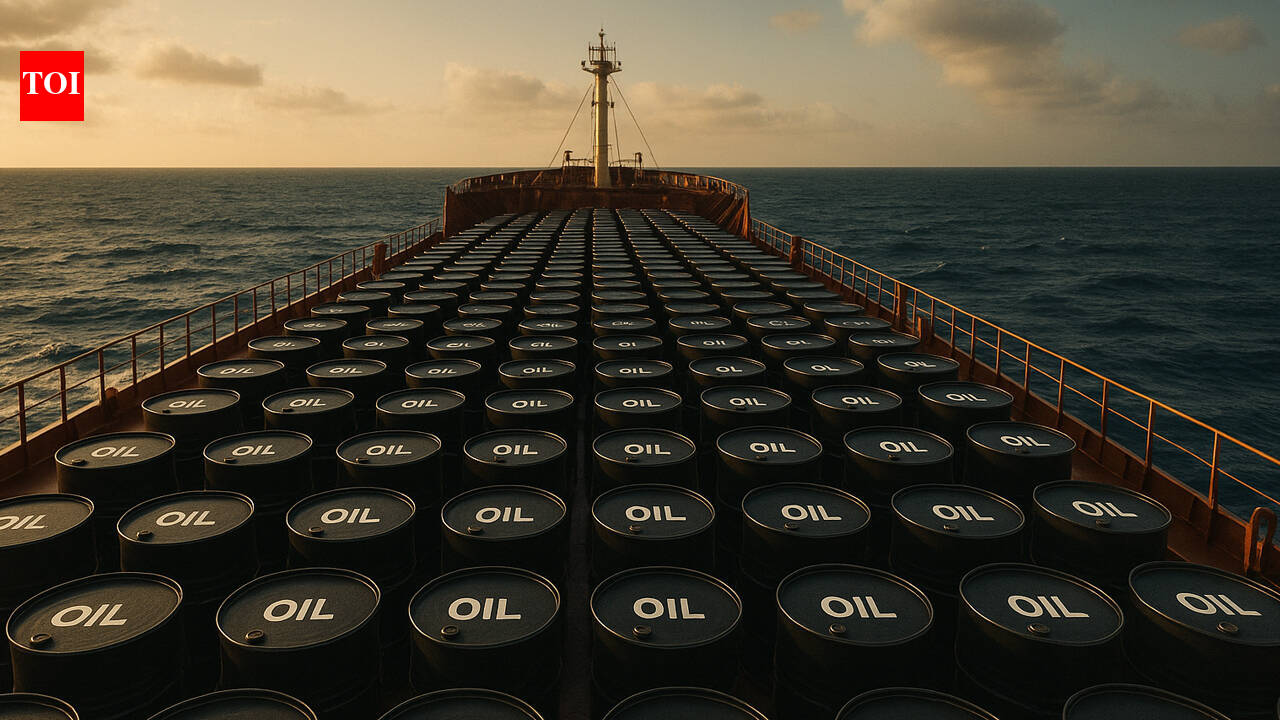
A wave of 11 tankers carrying 20 million barrels of crude oil departed from Iran's Chabahar port after a peace breakthrough between Tehran and Washington, according to shipping data cited by Bloomberg. The vessels had been blocked by a US military blockade, and the move signals a potential easing of oil supply constraints. Uncertainty remains as peace negotiations are delayed.

iG
iGEN Editorial
June 20, 2026
Crude Comeback: 20 Million Barrels Leave Iran Port After Peace Breakthrough

After months of disruption, oil exports from Iran have finally picked up following a peace deal between Tehran and Washington. According to shipping data cited by Bloomberg, a wave of 11 tankers carrying 20 million barrels of crude left the port of Chabahar, located on the Gulf of Oman. The vessels had previously been unable to sail into the Indian Ocean due to a US military blockade aimed at limiting Iran's access to oil revenues.

The Peace Breakthrough and the Cargo Movement

The rise in exports comes alongside Iran's continued efforts to regulate maritime movement through the Strait of Hormuz. The Persian Gulf State Authority, which oversees transit operations, has published guidance requiring vessels to follow designated routes and setting out how tolls could be imposed on ships passing through the waterway. Most of Iran's oil exports are shipped to China, highlighting the country's importance as a destination for Iranian crude.

Chabahar has emerged as the most visible outlet for increased energy shipments since the memorandum of understanding signed on Wednesday. The port, located near Iran's border with Pakistan and outside the Persian Gulf, has seen the clearest evidence of additional oil flows despite expectations that the agreement would ease the movement of oil and gas across the wider region.

Supply Side: From Blockade to Exports

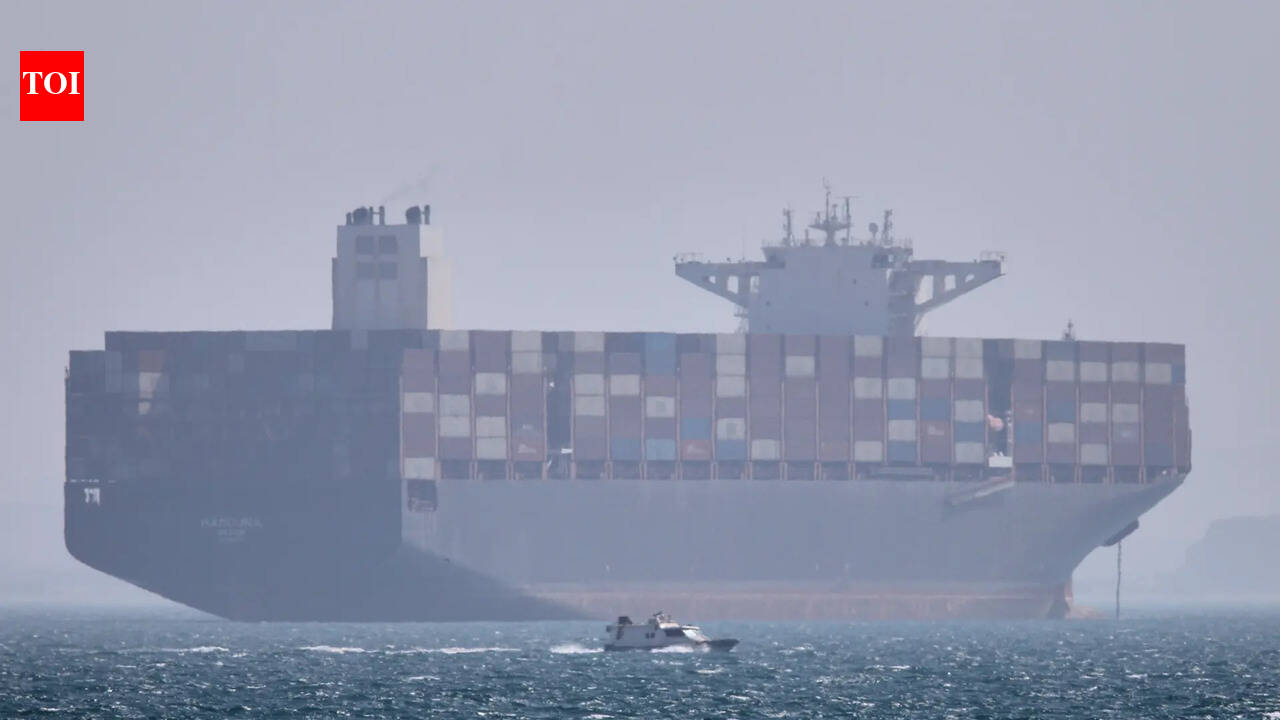
Prior to the deal, the US blockade had effectively halted Iranian crude from reaching international markets. The sudden release of 20 million barrels represents a significant increase in supply, though it remains to be seen how quickly the market absorbs this volume. The vessels are now navigating the Strait of Hormuz, a critical chokepoint for global oil shipments.

Day Non-Iranian Tankers Exiting Persian Gulf Cargo Volume (barrels)
Thursday Yes Near 10 million
Friday morning None observed Not reported

According to the report, traffic through the region appeared lighter on Friday morning. No non-Iranian tankers were observed heading out of the Persian Gulf, compared with Thursday when vessels carrying nearly 10 million barrels were either transiting or had already exited the Strait of Hormuz. The supertanker Tenzan, carrying a full cargo, was later spotted in the Gulf of Oman after apparently crossing the strait overnight.

Geopolitical Risks and Outlook

However, uncertainty remains over the longer-term outlook. Negotiations on a permanent peace agreement between the United States and Iran, scheduled to begin in Switzerland on Friday, have been delayed. The postponement came after overnight clashes involving Israel and Iran-backed Hezbollah militants in southern Lebanon. It remains unclear whether the delay will have any effect on shipping activity through the Strait of Hormuz and the Gulf of Oman.

Additional cargo movements may become apparent in the days ahead. Ships have increasingly been travelling through Hormuz with their transponders switched off, often following routes close to Oman's coastline to avoid detection. For commodity traders and analysts, the sudden release of Iranian crude could weigh on global oil prices, but the stalled peace talks and ongoing regional tensions introduce fresh supply risks. The key data points to watch are the progress of US-Iran negotiations and the volume of tankers exiting the Persian Gulf in the coming weeks.


Sources: Business-Today
Keep Reading

Recommended Stories

Middle East Peace Deal: Iran to Resume Oil Exports as Brent Crude Plunges Below $78 Commodities

Middle East Peace Deal: Iran to Resume Oil Exports as Brent Crude Plunges Below $78

The US and Iran are set to sign an interim memorandum of understanding, allowing Iran to immediately resume oil exports and access a $300 billion economic development programme. Brent crude dropped below $78/barrel, falling 15% over four sessions, as markets price in increased supply from the reopening of the Strait of Hormuz.

June 17, 2026
Middle East crude slips into discounts as US-Iran deal lifts global supply outlook Commodities

Middle East crude slips into discounts as US-Iran deal lifts global supply outlook

Middle East crude benchmarks flipped into contango this week after the US and Iran agreed a framework deal to reopen the Strait of Hormuz, boosting supply expectations. Dubai's premium turned to a 46-cent discount, the first since January, while Oman and Murban also flipped to discounts amid weak Asian refining demand and emerging arbitrage flows to Europe and the US.

June 17, 2026
US Strategic Petroleum Reserve Falls to Lowest Level Since 1983 Amid Iran War Commodities

US Strategic Petroleum Reserve Falls to Lowest Level Since 1983 Amid Iran War

The US Strategic Petroleum Reserve fell to 340.3 million barrels as of June 12, 2026, its lowest since July 1983, as the Trump administration continues emergency releases to mitigate economic damage from the war with Iran. The reserve has dropped 75 million barrels (18%) since the conflict began in late February. Officials warn the stockpile must remain at least 20% full to be operational.

June 16, 2026
‘Let the oil flow’: What Trump’s possible peace deal with Iran, Strait of Hormuz opening mean for India Commodities

‘Let the oil flow’: What Trump’s possible peace deal with Iran, Strait of Hormuz opening mean for India

US President Donald Trump announced an imminent peace deal with Iran and the reopening of the Strait of Hormuz, causing crude oil prices to fall from peaks of $120 to below $85 per barrel. For India, which imports nearly 90% of its oil, this could ease pressure on the rupee, current account deficit, and retail fuel prices, though impacts may take time to materialize.

June 15, 2026