iGEN
Visit IGEN World Explore IGEN Expo
EXPLORE UPGRADE PLANS
BREAKING
Werner Enterprises Posts Highest Revenue Per Truck Growth in One-Way Segment in a Decade CMA CGM and Stonepeak Launch United Ports LLC in $2.4 Billion Terminal Joint Venture UPS shift away from Amazon shows bigger payoff Lanesurf: 62% of Loads Get Vetted Carrier Offers Before Brokers Arrive India-China Border Trade Via Lipulekh Resumes Aug 1; China Permits 20 Traders Geopolitics Drives CMA CGM Q2 Profit Surge of 42% as Volumes and Rates Climb Benchmark Diesel Price Rises Third Week as Futures Plunge; Spread Hits Record Indian Government Limits Sugar Dealers to 400 Tonnes Stock Until November to Curb Hoarding Tenants signing longer leases for larger warehouses as 3PLs lock in capacity US stock market flat as S&P 500 and Dow barely move, Nasdaq slides over 1% on chip rout Werner Enterprises Posts Highest Revenue Per Truck Growth in One-Way Segment in a Decade CMA CGM and Stonepeak Launch United Ports LLC in $2.4 Billion Terminal Joint Venture UPS shift away from Amazon shows bigger payoff Lanesurf: 62% of Loads Get Vetted Carrier Offers Before Brokers Arrive India-China Border Trade Via Lipulekh Resumes Aug 1; China Permits 20 Traders Geopolitics Drives CMA CGM Q2 Profit Surge of 42% as Volumes and Rates Climb Benchmark Diesel Price Rises Third Week as Futures Plunge; Spread Hits Record Indian Government Limits Sugar Dealers to 400 Tonnes Stock Until November to Curb Hoarding Tenants signing longer leases for larger warehouses as 3PLs lock in capacity US stock market flat as S&P 500 and Dow barely move, Nasdaq slides over 1% on chip rout
Home ›› Commodities ›› Commodities Energy ›› US firms sign $60 billion Iraq deals to expand oil exports beyond Strait of Hormuz

US firms sign $60 billion Iraq deals to expand oil exports beyond Strait of Hormuz

US companies signed roughly $60 billion in agreements with the Iraqi government on Friday, including deals to develop alternative oil export routes beyond the Strait of Hormuz. The agreements come amid the US-Iran war that has disrupted Hormuz shipments and caused oil price volatility. Chevron signed three agreements focused on boosting production and building a new pipeline. Goldman Sachs estimated pipelines could carry 60% of current Hormuz oil by 2028.

iG
iGEN Editorial
July 18, 2026
US firms sign $60 billion Iraq deals to expand oil exports beyond Strait of Hormuz

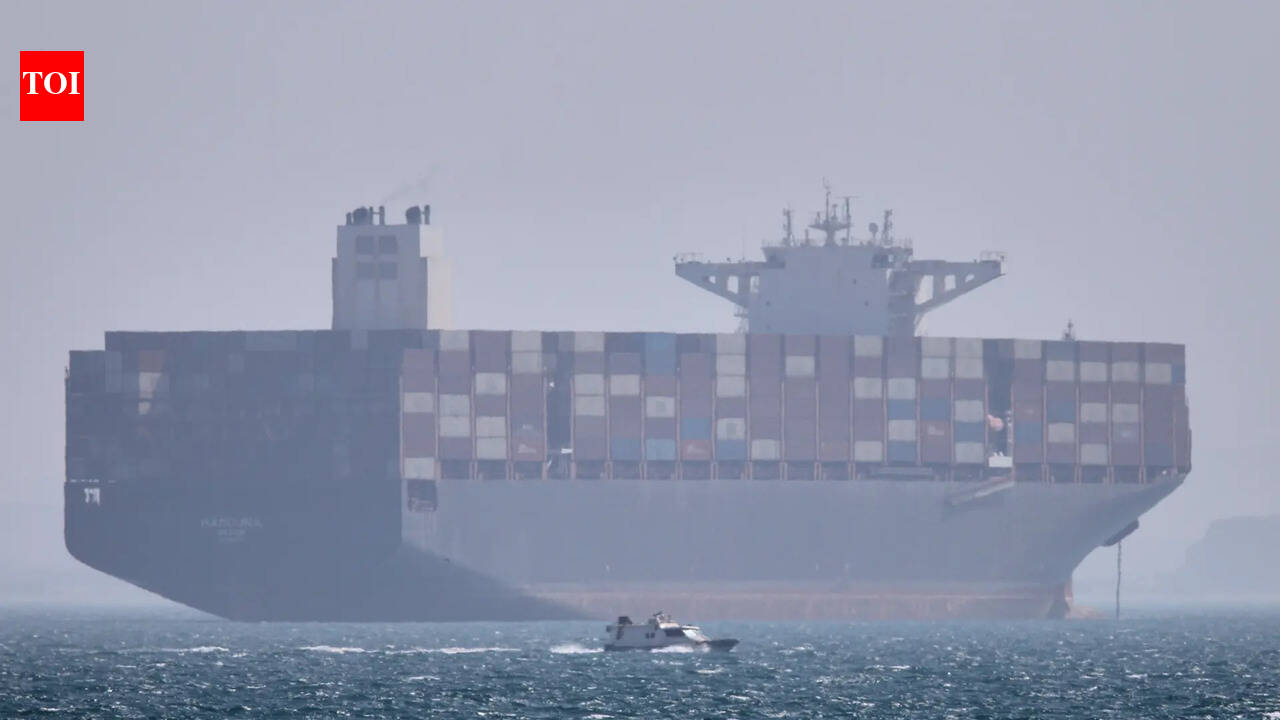
US companies signed roughly $60 billion in agreements and partnerships with the Iraqi government Friday, including deals intended to create alternative routes for shipping oil out of the Persian Gulf, according to a report by AP-PTI in The Hindu Business Line. The signing at the US Chamber of Commerce also involved other industries such as healthcare, communications and infrastructure, but the oil-focused agreements aim to reduce dependence on the Strait of Hormuz, through which about a fifth of the world’s oil flows.

Oil price impact and Strait of Hormuz tensions

Iran has sought to close the Strait repeatedly since the US-Iran war began Feb. 28, causing sharp gyrations in oil and gas prices, the report stated. On Friday afternoon, West Texas Intermediate crude rose nearly 5% to $88 a barrel, up from about $67 before the war began. It had topped $110 in early April before falling back after a truce was reached, and has since risen on renewed conflict between the US and Iran.

Deal details and pipeline alternatives

It’s not clear when the oil deals will be able to create viable alternatives to the Strait of Hormuz. Goldman Sachs estimates that pipelines in just one country take at least two and a half years to build, and these pipelines would travel through two or more nations. Thomas Barrack, US Ambassador to Turkey, said the oil pipeline agreements would lead to a program “that will make the Strait of Hormuz an afterthought.”

With the war dramatically reducing oil exports through the Strait of Hormuz, some oil shipments have instead been trucked from Iraq into Syria and shipped to European markets via Syria’s Baniyas port, bypassing the Hormuz route. A key border crossing between northern Iraq and Syria reopened in April after being closed for more than a decade, with officials touting it as an additional route for energy exports. However, the overland route is less efficient and more expensive than shipping exports through the strait. The pipeline project envisioned would allow for exporting a larger volume of oil from Iraq to Syria and Turkey, the report noted.

Goldman Sachs pipeline projections

In a note released earlier this week, analysts at Goldman Sachs estimated that seven different pipelines in the region under development could, by the end of 2028, carry about 60% of the oil currently shipped through the Strait. The pipelines could carry roughly 14 million barrels per day by then, Goldman estimated. Roughly 23 million barrels per day were shipped through Hormuz before the Iran war, according to the report.

Metric Value
Pre-war Hormuz shipments (bpd) 23 million
Projected pipeline capacity by end-2028 (bpd) 14 million
Share of current Hormuz oil potentially carried by pipelines 60%
Minimum pipeline construction time (single country) 2.5 years

Iraq's long-term investment push

The signings followed a meeting between Iraqi Prime Minister Ali Falah al-Zaidi Thursday with executives of Chevron in Houston, at which al-Zaidi urged the US energy company to expand and accelerate its investments in Iraq, the report stated. In a speech Friday, al-Zaidi said Iraq’s economy is seeking long-term investment and partnerships, not merely contractors to carry out projects. Al-Zaidi stressed his government’s commitment to communication, dialogue and cooperation with the U.S. Chamber of Commerce, describing it as “the place where economic decisions are made.”

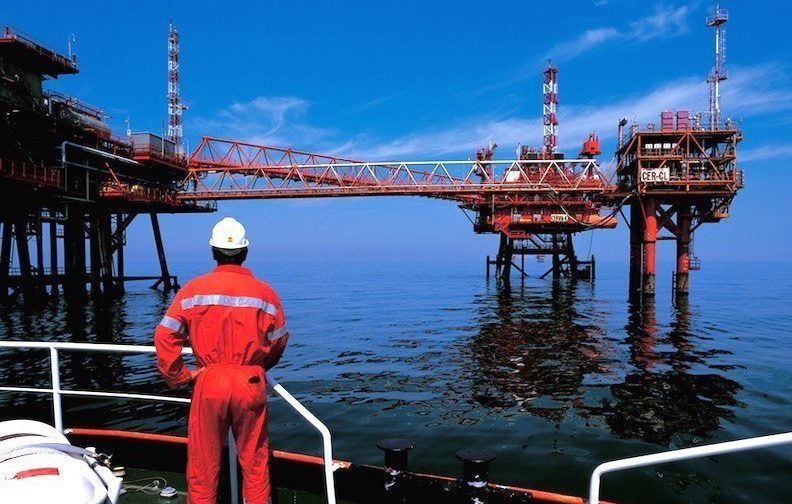
On Friday, Chevron signed three agreements with the Iraqi government. Jake Spiering, Chevron’s president of corporate business development, said two would focus on boosting oil production, while a third would involve “investing in a pipeline that’s going to create another export route out of Iraq to world markets. This is very important for energy security.” Iraq, which is home to both Iran-backed militias and US bases, found itself in the crosshairs after the US and Israel launched their war on Iran Feb. 28. Syria, one of the few regional countries that has stayed on the sidelines, has promoted itself as a bastion of stability and offered it as an alternative transit route for energy shipments.


Sources: TheHindu-C
Keep Reading

Recommended Stories

Strait of Hormuz Reopens: Middle East Oil Exports to Climb to 4-Month High Commodities

Strait of Hormuz Reopens: Middle East Oil Exports to Climb to 4-Month High

The Strait of Hormuz is recovering after over 100 days of disruption, with Middle Eastern fuel oil exports expected to reach 2.4 million metric tons in June, a 20% increase from May. Exports are driven by supply diversions from Iraq and Saudi Arabia, though volumes remain below pre-war averages. Uncertainty over the US-Iran peace deal durability keeps shipping cautious.

June 25, 2026
Oil Prices Surge as Iran Closes Strait of Hormuz Commodities

Oil Prices Surge as Iran Closes Strait of Hormuz

Oil prices jumped over 2% after Iran closed the Strait of Hormuz following US military strikes. Brent crude reached $95.40 a barrel, while WTI hit $92.63. The closure impacts global oil shipments, escalating geopolitical tensions.

June 11, 2026
Home Heating Oil Prices in Northern Ireland Jump £100 in Three Weeks on US-Iran Tensions Commodities

Home Heating Oil Prices in Northern Ireland Jump £100 in Three Weeks on US-Iran Tensions

The average cost of 500 litres of home heating oil in Northern Ireland has risen by £98.78 (29%) in three weeks, reaching £445.37, according to the Consumer Council for Northern Ireland. The surge is attributed to escalating fighting between the US and Iran. About two-thirds of Northern Ireland households rely on heating oil, the highest proportion of any UK region.

July 26, 2026
Oil Prices Hit $100 for First Time Since May as Middle East Conflict Escalates Commodities

Oil Prices Hit $100 for First Time Since May as Middle East Conflict Escalates

Oil prices hit $100 a barrel for the first time since May as the escalating conflict in the Middle East reignited fears over global energy supplies, according to BBC. Brent crude rose more than 5% on Thursday after several days of increases, with the US stepping up military strikes against Iran. Houthi militia attacks on oil tankers in the Red Sea and a failed ceasefire between the US and Iran have further tightened supply concerns.

July 23, 2026