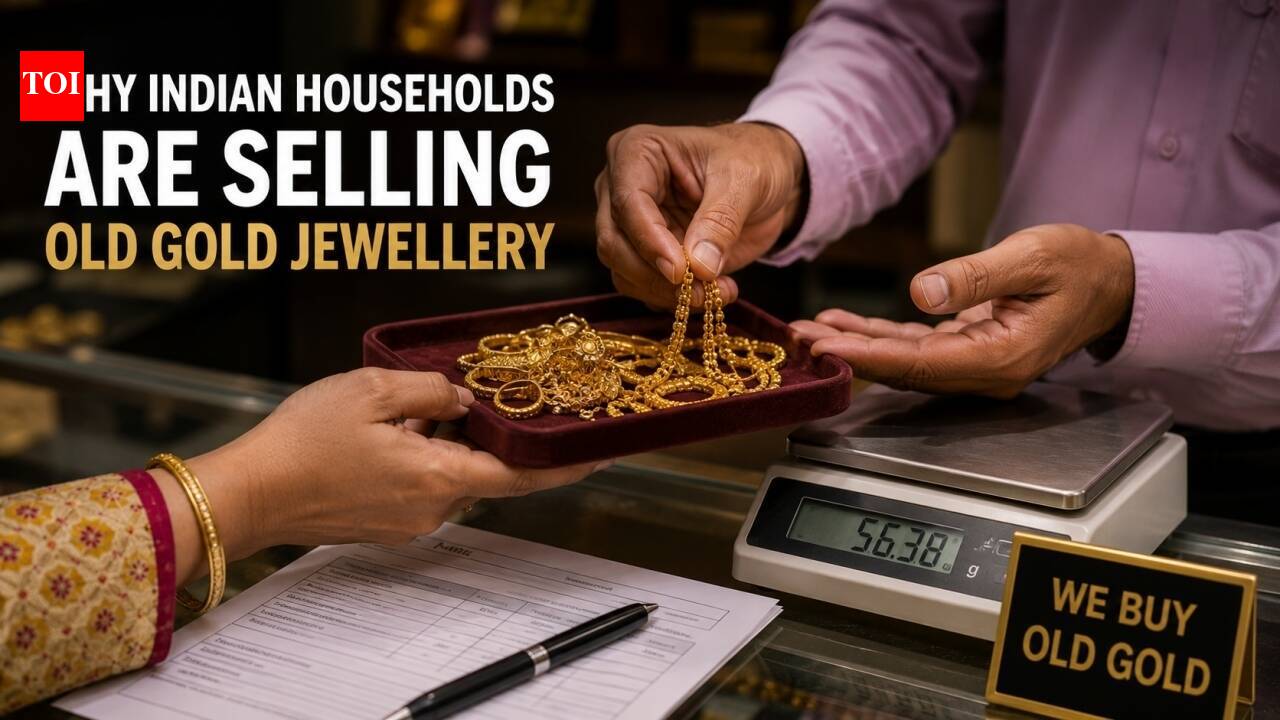
Gold prices have fallen sharply from record highs earlier this year, triggering a wave of selling by Indian households looking to cash out before further declines. According to a report in the Times of India, spot gold in India dropped to around Rs 1.4 lakh per 10 grams, down from a peak of Rs 1.8 lakh at the start of 2026. With expectations that prices could fall further to Rs 1.2 lakh, many consumers are choosing to sell old jewellery rather than exchange it for new ornaments.
Price Crash Triggers Selling Spree
The India Bullion & Jewellers Association (IBJA) reported that nearly 50 tonnes of old gold were sold during the April-June quarter of 2026, a massive 43% increase compared to the same period last year. IBJA National Secretary Surendra Mehta explained: "Indian consumers are leveraging the high price of gold for liquid cash. Though prices have fallen from a high of Rs 1.8 lakh per 10 gm to Rs 1.4 lakh, there is a fear among them that prices may further crash to Rs 1.2 lakh, which is prompting them to sell gold to encash."
| Metric | Value | Change vs Prior Year |
|---|---|---|
| Prices in early 2026 | Rs 1.8 lakh/10 gm | Record high |
| Current prices | Rs 1.4 lakh/10 gm | -22% from peak |
| Expected floor | Rs 1.2 lakh/10 gm | -33% from peak |
| Recycled gold sales (Apr-Jun 2026) | 50 tonnes | +43% YoY |
Record Recycling Volumes and Import Dynamics
Despite the selling spree, India remains heavily dependent on imported gold. The country imported gold worth nearly $72.4 billion during FY26, according to the Times of India report. Recycled gold contributed an estimated 125-150 tonnes in 2025, but industry estimates suggest volumes could rise to 200-250 tonnes in 2026 if the current momentum continues. This recycling reduces reliance on newly mined gold and improves domestic availability.
Industry Response: Organized Recycling Networks
The trend has boosted India's organised gold recycling industry. Muthoot Exim reported a 40% increase in gold collections across its network of more than 100 Gold Points nationwide. Chief Executive Officer Keyur Shah stated: "Consumers are increasingly embracing organised and transparent avenues to convert their idle gold into cash. This enables them to realise the value of their holdings while also strengthening the domestic gold ecosystem." Muthoot Exim procures old gold, refines it into 24-carat pure gold, and supplies it to manufacturers of jewellery and coins.
Augmont has expanded its Gold For All network to 114 centres across several states, providing organised facilities to assess, recycle, and monetise gold. Ketan Kothari, Director at Augmont, noted: "India has one of the largest household gold reserves globally, yet a significant portion remains idle."
Household Gold Reserves and Future Supply
Indian households are estimated to own nearly 30,000 tonnes of gold, according to the report. Industry participants believe that organised recycling presents a major opportunity to improve resource utilisation and reduce import dependence. As prices remain under pressure from global macro factors, the flow of recycled gold is expected to stay elevated, providing a steady supply to refiners and jewellers while reshaping India's gold market dynamics.
Sources: