India's government is contemplating a delay in mandating higher ethanol blending levels, moving from E20 to E25, due to concerns about potential damage to existing vehicle engines. Most vehicles manufactured between 2012 and March 2023 are designed for E10 compliance, while those from April 2023 are E20 compliant. However, only vehicles sold from April 2025 will be fully E20 compliant, according to a report by Business-Today.
Vehicle Compatibility Concerns
The primary concern with increasing ethanol blending is the compatibility of existing vehicles. Auto industry executives and experts have expressed that most petrol vehicles are not fully compliant with E20 fuel, let alone higher blends. This could lead to reduced mileage and increased maintenance costs, affecting a large number of vehicle owners.
Industry Readiness and Lobbying
Despite these concerns, the auto industry is preparing for the rollout of flex-fuel vehicles. Maruti Suzuki and Hero MotoCorp are already on the road with such vehicles, and others are planning their launches. The industry has advocated for a calibrated increase in ethanol blending, which is politically appealing in sugarcane-producing states. The powerful sugar lobby is also pushing for higher blending mandates.
Impact on Fuel Efficiency
According to a Niti Aayog report from 2021, vehicles designed for E10 and calibrated for E20 are likely to experience a 1-2% reduction in fuel efficiency. However, users have reported a more significant drop in mileage. Vehicles manufactured before March 2023 would face even greater efficiency losses if higher ethanol blending becomes mandatory.
Government's Approach
Experts suggest that the government should promote the adoption of flex-fuel vehicles, which can run on both E20 and higher ethanol blends, rather than introducing multiple grades of mandatory blending. This approach would prevent the need for vehicle engine modifications to accommodate different fuel grades. Additionally, providing separate dispensers for E20 and higher-blend petrol at fuel stations could give vehicle owners the freedom to choose the most suitable fuel for their vehicles.
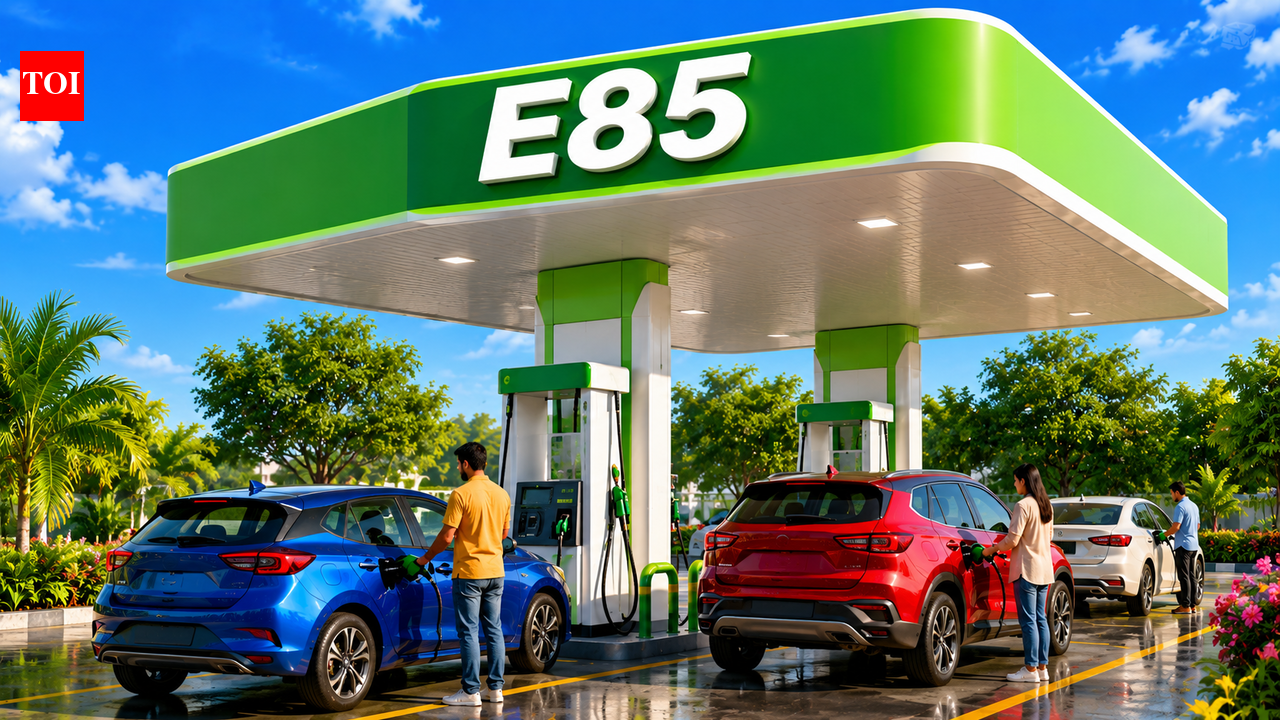
The government has partially addressed concerns over the prices of E85 fuel by setting it at Rs 82.12 per litre in Delhi. This pricing strategy aims to make higher ethanol blends more attractive to consumers.
Outlook
The decision to delay the ethanol mandate could have significant implications for the auto and sugar industries. For commodity traders and procurement teams, understanding the evolving regulatory landscape and its impact on fuel demand is crucial. Monitoring government policy changes and industry responses will be essential for navigating the biofuels market.
Sources: