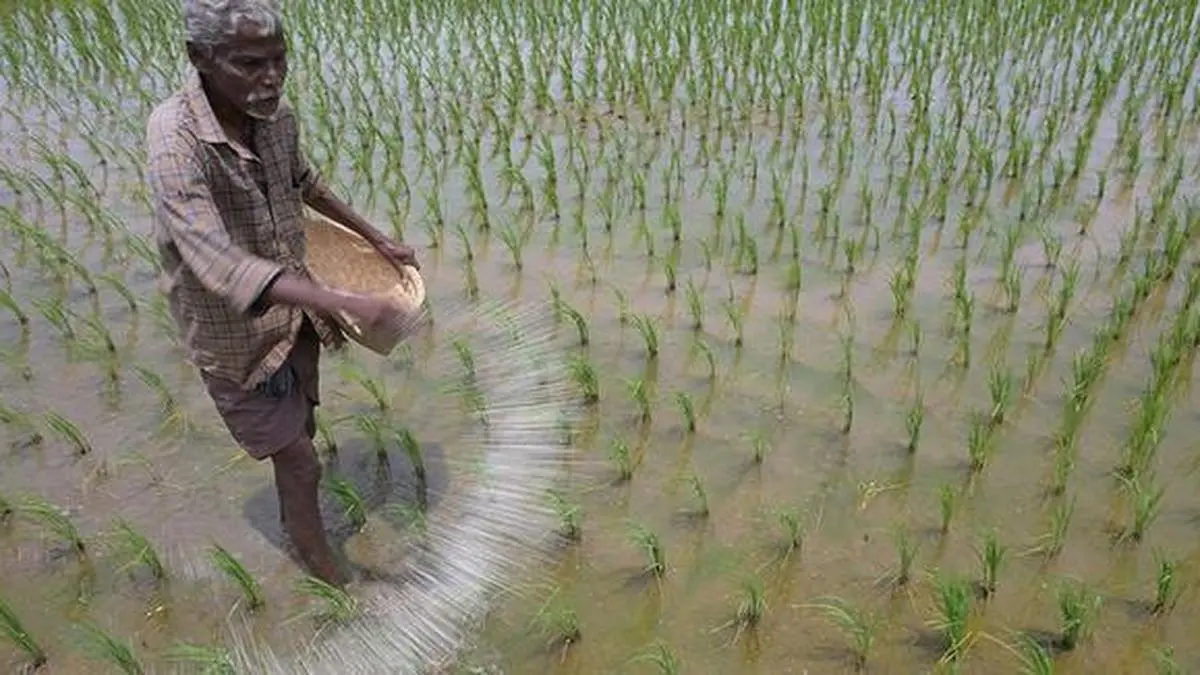
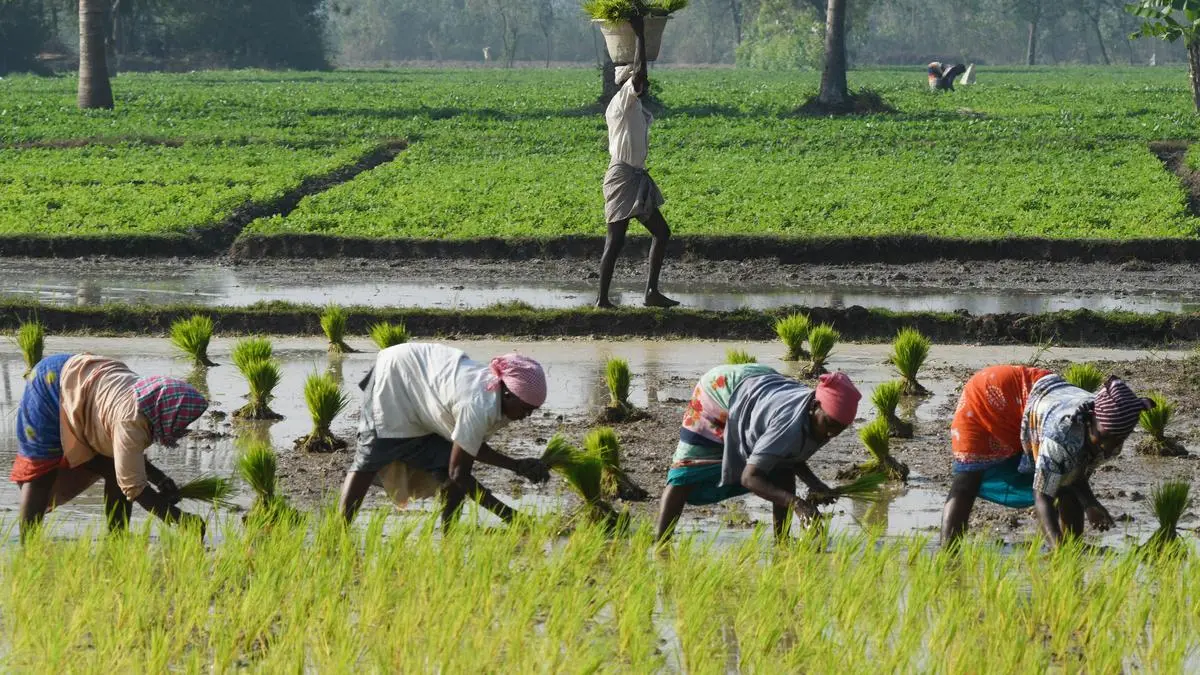
India has achieved self-sufficiency in food production and emerged as a global leader in agriculture, according to Dr G Baiju, Director of the Indian Council of Agricultural Research (ICAR)-Central Tuber Crops Research Institute (CTCRI). Speaking at the 'Varta' workshop organised for regional media by the Press Information Bureau (PIB), Thiruvananthapuram, in collaboration with CTCRI, Baiju said the country had depended on food imports in the 1950s but has since reached self-sufficiency, as reported by AGRI_TIO (PTI).
Agricultural Productivity Milestones
Baiju highlighted five major achievements of the Indian agricultural sector, the first being a remarkable increase in productivity. According to the PIB release, foodgrain production stood at 50.8 million tonnes in 1950–51 and rose to 376.5 million tonnes in 2025–26, despite only a marginal increase in cultivated area. Horticulture production has also crossed 370 million tonnes, Baiju stated. The agricultural sector contributes 16.3 percent to India's Gross Domestic Product (GDP). The sector has maintained an average annual growth rate of 4.4 percent over the past seven years, demonstrating resilience to climate change by consistently increasing foodgrain production despite recurring adverse weather conditions.
| Metric | 1950–51 | 2025–26 | Change |
|---|---|---|---|
| Foodgrain production | 50.8 million tonnes | 376.5 million tonnes | +641% |
| Horticulture production | – | >370 million tonnes | – |
| Agri exports (₹) | ₹55,000 crore (2001) | ₹4.3 lakh crore (2024-25) | +682% |
| Budgetary allocation (₹) | ₹27,662 crore (pre-2014) | ₹1.40 lakh crore | +406% |
Export Growth and Global Leadership
India has emerged as one of the world's leading agricultural exporting nations, Baiju noted. Agri exports increased from ₹55,000 crore in 2001 to ₹4.3 lakh crore in 2024-25. Specifically, with rice exports worth ₹1.05 lakh crore, India has become the world's largest exporter of rice, according to the CTCRI director.
Government Support and Future Outlook
Baiju attributed these achievements to the central government placing agriculture at the centre of national development efforts. Budgetary allocation for the sector increased from ₹27,662 crore before 2014 to ₹1.40 lakh crore at present. He said ICAR was at the heart of these transformations, releasing 3,821 high-yielding crop varieties from 2014 to 2025 — equivalent to nearly one new variety reaching farmers every day. Looking ahead, as India’s population is projected to exceed 1.6 billion by 2047, Baiju stressed that agriculture must become increasingly technology-driven to meet growing food demand. Only through combined efforts of scientists, farmers, policymakers, and the media can India build a sustainable, prosperous, and globally competitive agricultural future.
For commodity traders and agribusiness executives, India's sustained production growth and export leadership—especially in rice—signal stable supply fundamentals and potential price implications in global rice markets, though specific price data were not provided in the source.
Sources: