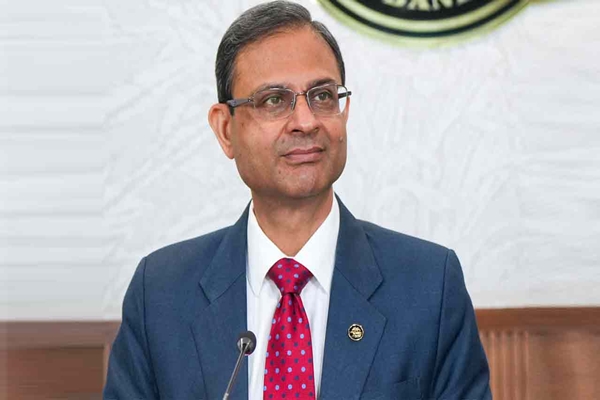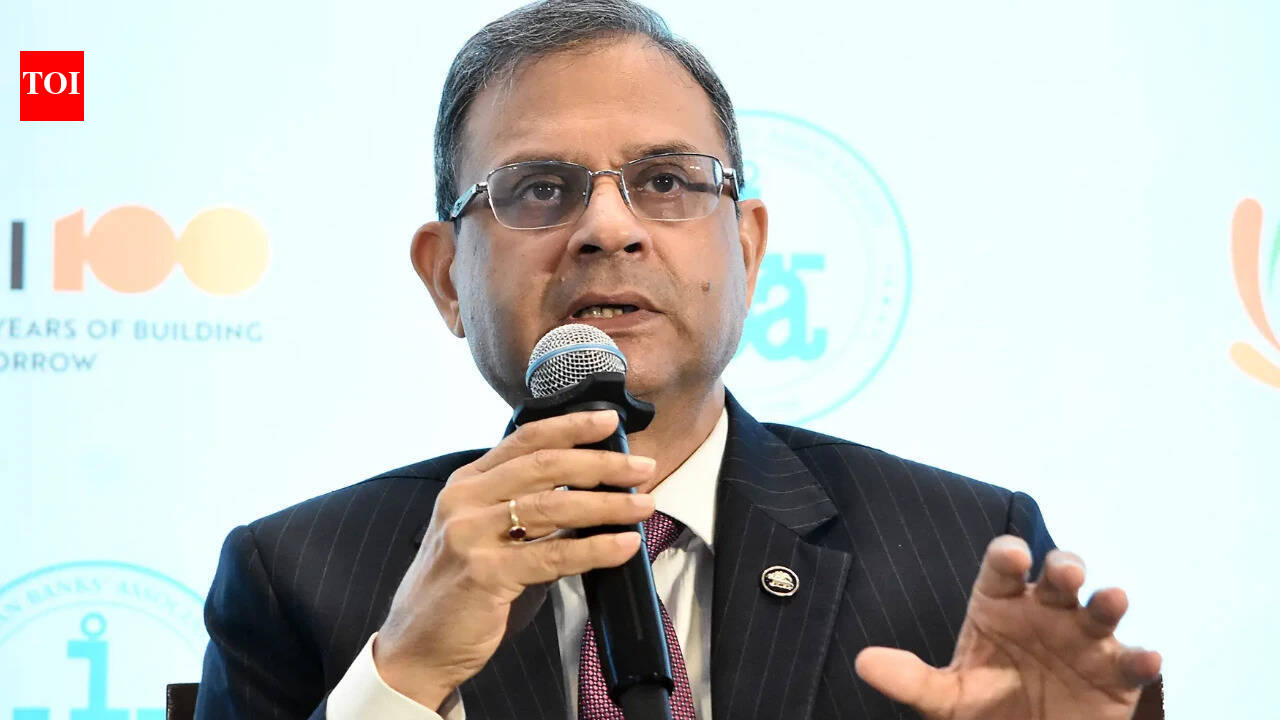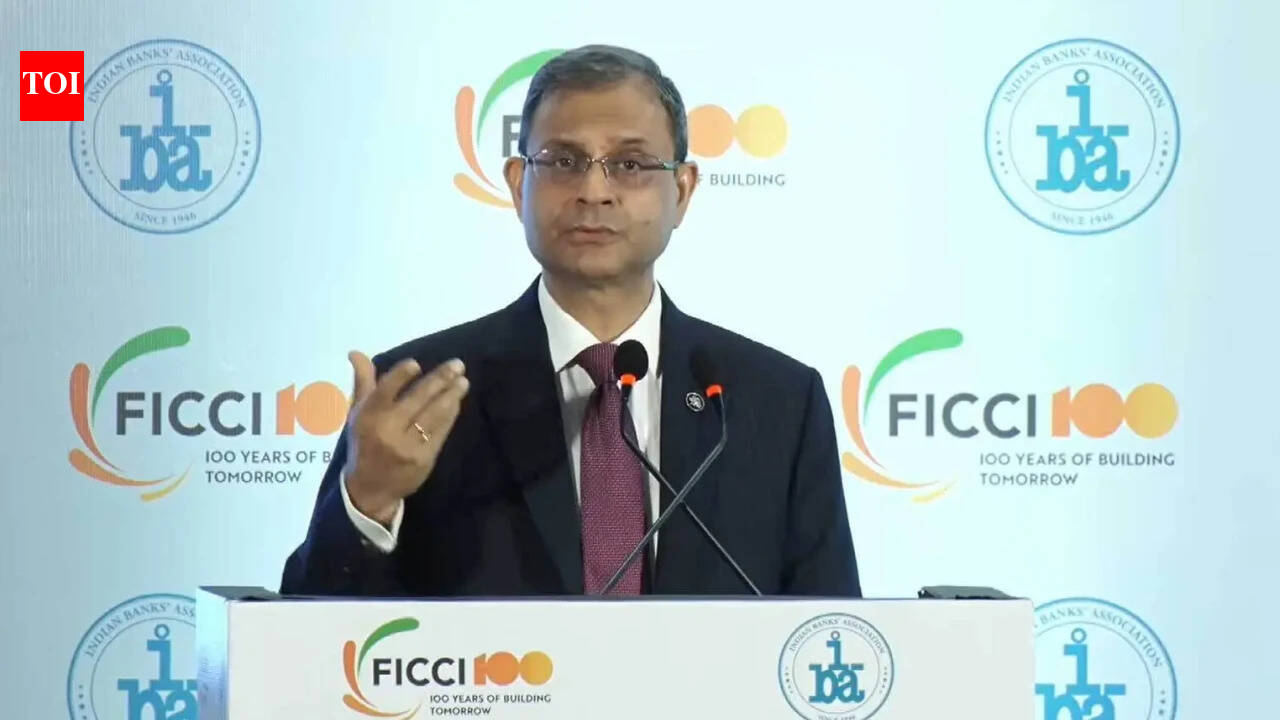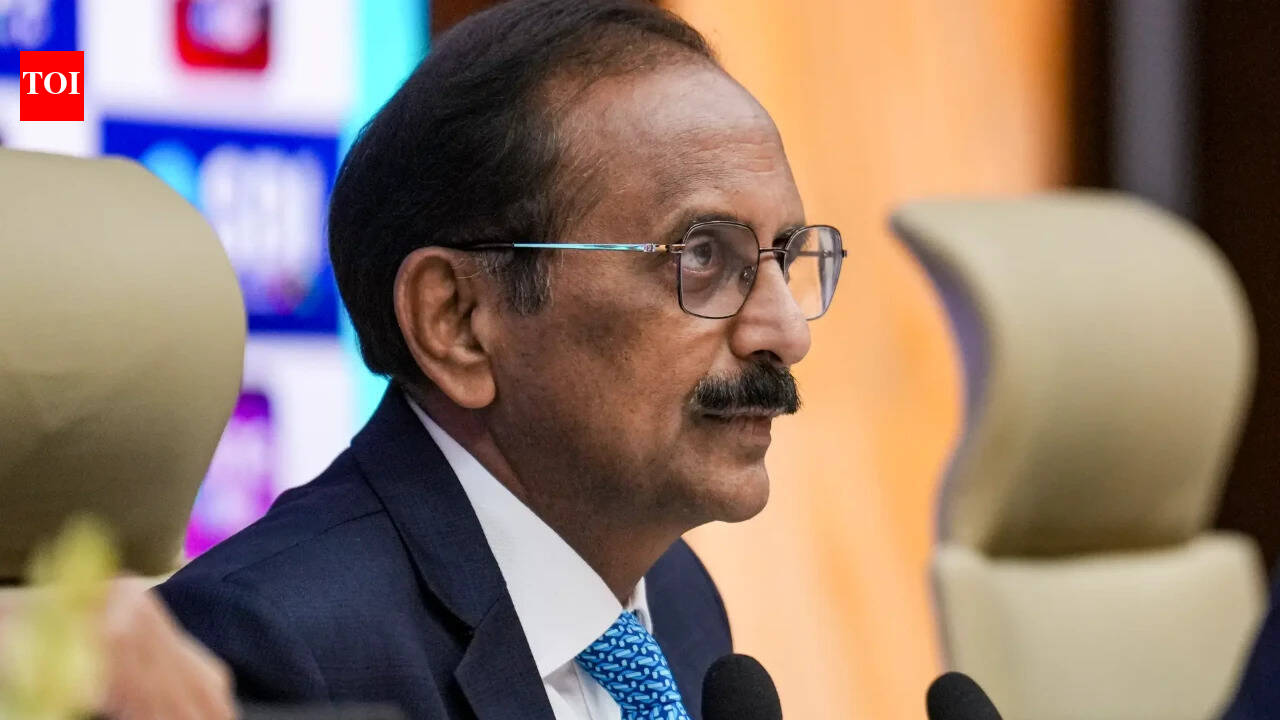
SBI chairman CS Setty said at FIBAC 2026 that artificial intelligence could help banks expand credit to rural India, small businesses and farmers while improving risk assessment and productivity, but warned that lenders will have to strengthen cyber defences, governance and human oversight as they expand use of the technology, according to Business Today. Setty framed the next phase of AI-led banking as a shift from established retail customers to the underserved segments of the economy.
The next wave: deeper into the economy
Setty said the next phase of AI-led banking should move beyond retail banking and customers with established financial histories. Instead, he said, the technology must take banks deeper into the economy, reaching rural India, small businesses and borrowers whose financial histories may not fit conventional models.
"The next wave of AI-led banking must take us deeper into the economy—to rural India, small businesses, and customers whose financial histories may not fit conventional models," Setty said.
AI tools for farm decisions and credit portfolio management
Setty described specific capabilities that can reshape rural lending. According to Setty, AI can support better farm-level decisions, while data-driven risk assessment, digital records and satellite imagery can help banks improve credit access and portfolio management.
"AI can support better farm-level decisions, while data-driven risk assessment, digital records, and satellite imagery can help banks improve credit access and portfolio management," Setty said.
These tools are particularly relevant for farmers and small enterprises that lack conventional collateral or formal credit records. By relying on alternative data and remote sensing, lenders can assess borrowers based on observed activity rather than paperwork alone.
Adoption underway in farm lending; scaling remains key challenge
Setty noted that adoption of such technology was already taking place in farm lending. The larger challenge, he said, is to move AI applications from pilots to wider use. That gap between proof-of-concept and bank-wide deployment is a critical constraint on expanding rural credit.
Guardrails: cyber defences, governance and human oversight
Setty also stressed the need for safeguards as AI usage grows. Banks will have to strengthen cyber defences, governance and human oversight, he said, underlining the operational and cyber risks that come with automated lending decisions in new borrower segments.
Key points from Setty's remarks
| Area | Setty's stated view |
|---|---|
| Target segments for the next wave | Rural India, small businesses, farmers, non-conventional credit histories |
| AI-enabled tools | Farm-level decision support, data-driven risk assessment, digital records, satellite imagery |
| Current adoption status | AI already adopted in farm lending |
| Main challenge | Moving AI applications from pilots to wider use |
| Required safeguards | Stronger cyber defences, governance, human oversight |
For finance executives, treasurers and investors tracking India's credit ecosystem, Setty's remarks indicate that SBI is positioning AI as a core tool for financial inclusion. The use of digital records and satellite imagery in portfolio management points toward data-rich underwriting for previously underserved segments. The emphasis on governance and human oversight, however, makes clear that scaling AI will require careful management of cyber risk and model accountability.
Sources: