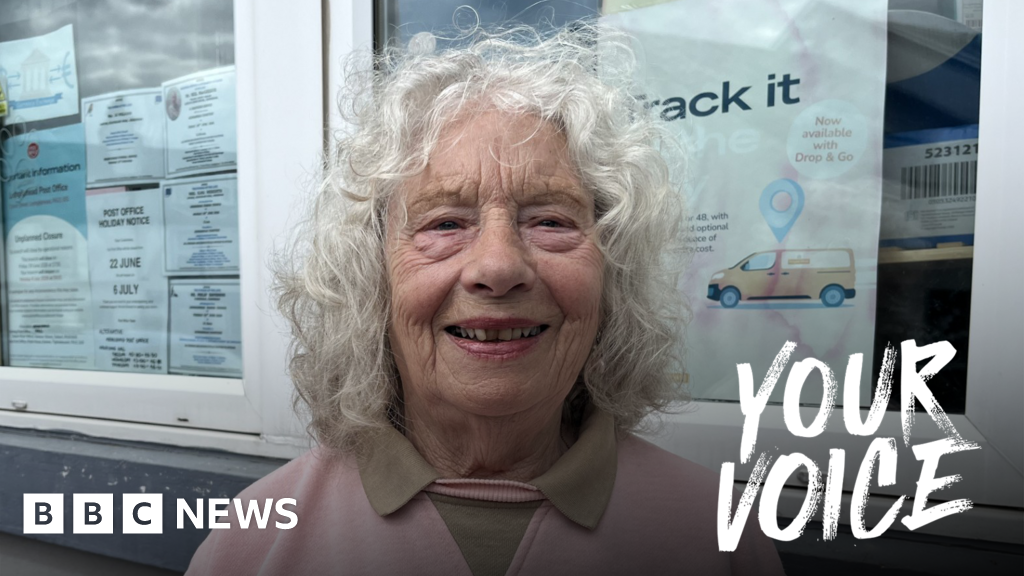
The last remaining bank in Lochgilphead, a Bank of Scotland branch owned by Lloyds Banking Group, has closed its doors, forcing local businesses and residents to adapt to a banking landscape without a physical branch. For 84-year-old Maggie Dodd, a customer since 1976, the news triggered sleepless nights and anxiety about online banking, according to the BBC. Her nearest branch is now 37.2 miles away in Oban, a drive of almost an hour.
Operational Challenges for Local Enterprises
For businesses in Lochgilphead, the closure introduces immediate practical hurdles. Scott McBride, manager of the Community Shop, fears the impact on the charity's insurance if daily cash deposits are not possible. "We either extend our insurance, and that comes at a cost, which ultimately comes with a risk as well, because we're then potentially holding more cash on-site," McBride told the BBC.
Adriano Pia, who runs the Argyll Café, highlighted the unreliability of digital alternatives. "Even today we had two people whose cards aren't working," he said. On occasion, he has had to let customers take food without payment because they were stuck. These incidents underscore the vulnerability of small retailers when cash infrastructure erodes.
Scotland's Branch Closure Crisis
The Lochgilphead closure is part of a broader wave. Consumer watchdog Which? reported that 742 bank branches have closed across Scotland since 2015, according to the BBC. The Caithness, Sutherland and Easter Ross constituency saw the most closures, with 30 banks shutting in a decade. In Argyll, Bute and South Lochaber, 25 branches have closed.
Lloyds Banking Group, which owns Bank of Scotland, has announced or completed 81 closures across Scotland in 2026 alone, the BBC reported, citing Which?. The group stated the Lochgilphead branch was "no longer viable" as most customers prefer online banking. Other banks including Barclays, RBS, TSB, Santander, Virgin Money, and Nationwide have also closed branches.
| Constituency / Area | Number of Closures | Period |
|---|---|---|
| Scotland total | 742 | Since 2015 |
| Caithness, Sutherland & Easter Ross | 30 | Decade to 2025 |
| Argyll, Bute & South Lochaber | 25 | Decade to 2025 |
| Lloyds Banking Group (Scotland) | 81 | 2026 alone |
Banking Hubs and Community Responses
Argyll and Bute Council submitted a bid for a Banking Hub in Lochgilphead — a shared facility where multiple banks provide face-to-face services — but it was rejected, the BBC reported. Link, the body that assesses cash access, deemed the area already well-served by free-to-use ATMs and the local post office.
In the absence of a bank, a local "buddy scheme" has emerged. Karen McCurry, who runs the wellbeing centre Snowdrop Argyll, set up the initiative after residents approached her in distress. "I had people approaching me, telling me they weren't sleeping at night because the bank was going to close - and that's massive," she said. Maggie Dodd now banks at the post office with help from her 83-year-old friend Ina Callander.
Implications for Corporate Treasurers and CFOs
For finance executives managing rural operations or supply chains, the closure trend in Scotland introduces tangible cost of capital and operational risk. The need to extend insurance coverage for on-site cash raises direct expenses, while the loss of daily deposit facilities may force businesses to hold more working capital in cash, increasing theft and error risk. Which? has called for a "right to cash" legislation, according to the BBC, which if enacted could mandate minimum cash access points. Until such measures arrive, businesses must factor branch closures into their treasury contingency planning — assessing alternative cash logistics, negotiating insurance terms, and evaluating digital payment reliability in areas with poor connectivity. The Lochgilphead example shows that even a single branch closure can disrupt local trade finance cycles, from daily takings to supplier payments.
Sources: