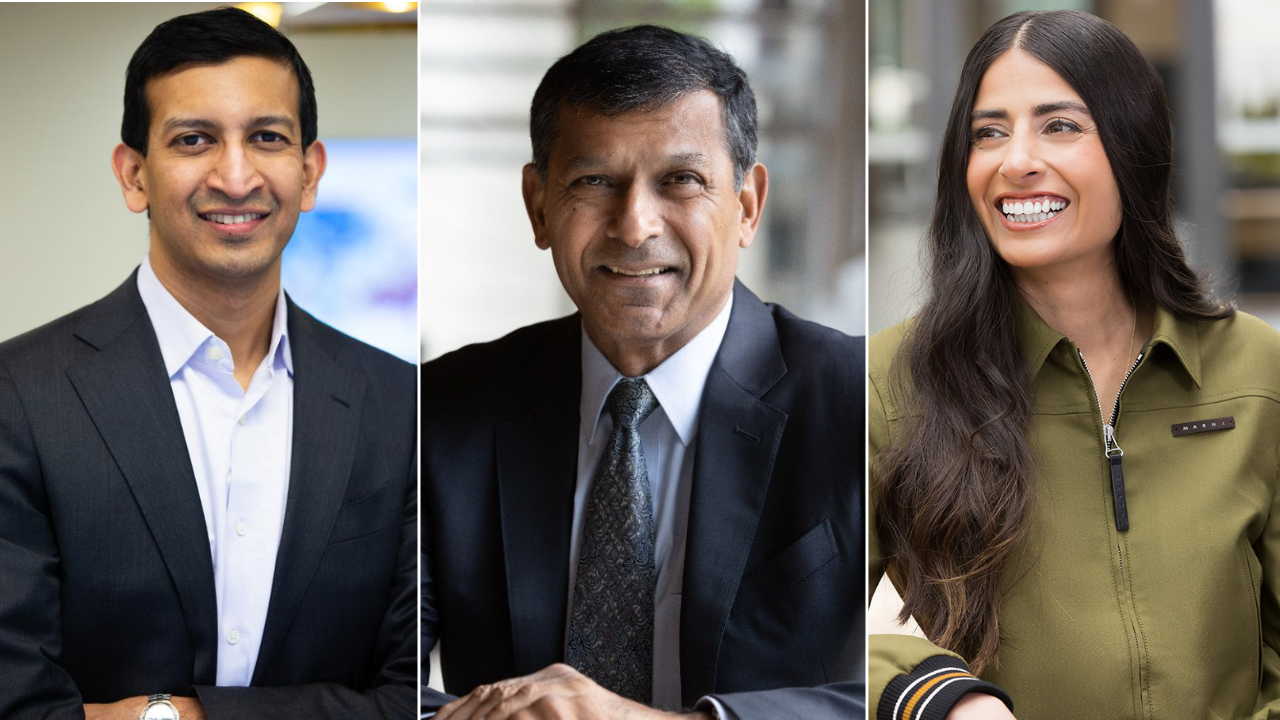
Former Reserve Bank of India (RBI) governor Raghuram Rajan is set to play a role in shaping the future of US monetary policymaking after being appointed by the Federal Reserve to a high-level task force reviewing its policy framework, according to a Business-Today report. The appointment is part of five expert panels unveiled by newly appointed Federal Reserve chairman Kevin Warsh to examine how the central bank conducts monetary policy. Rajan is among a distinguished group of economists, business leaders and former central bankers selected for the review. Delhi-born American economist Raj Chetty and Microsoft executive vice president and Xbox CEO Asha Sharma have also been named to separate task forces.
Task Force Structure and Membership
The group also includes former Bank of England governor Mervyn King, former Walmart CEO Doug McMillon, Nobel laureate Thomas Sargent, and Silicon Valley venture capitalist Marc Andreessen. The five task forces will examine areas central to the broad conduct of monetary policy. Below is a summary of each panel, its co-leaders, and its mandate:
| Task Force | Focus Area | Key Members |
|---|---|---|
| Balance Sheet Policy | Costs, benefits, and institutional implications of the Fed's current balance sheet regime, including asset holdings and their role in implementing monetary policy | Raghuram Rajan, Karen Dynan (Harvard), Jeremy Stein (former Fed governor) |
| Data | Improving the quality and timeliness of real-world economic signals that inform Fed policy decisions | Co-led by Raj Chetty, Doug McMillon, Kevin Murphy (U. Chicago) |
| Productivity and Jobs | Assessing the economic impact of emerging general-purpose technologies, including artificial intelligence, on productivity, employment and economic growth | Asha Sharma, Marc Andreessen, Charles I Jones (Stanford/Athropic) |
| Communications | Reviewing how the Fed conveys its policy deliberations and decisions during periods of uncertainty | Co-led by Peter R Fisher (U. Washington), Arminio Fraga (former Central Bank of Brazil president), Mervyn King |
| Inflation Frameworks | Revisiting how the Fed understands and responds to the drivers of inflation | Co-led by Greg Mankiw (Harvard), Thomas Sargent, William White (former BIS adviser) |
Chairman Warsh's Statement
Announcing the initiative, Chairman Kevin Warsh said, "The Federal Reserve's commitment to price stability and maximum employment is unwavering. As is our resolve to pursue our mandate with rigor. The US economy has changed significantly over the last generation, and never more so than right now." He added that the panel will "carefully consider whether policymakers' means and methods, analytical tools and policy approaches can be improved upon." Warsh stated, "I am honored that the best minds from a range of disciplines have agreed to work with us to sharpen our performance as an institution. The goal is straightforward: to ensure the Fed is best positioned to achieve our objectives in this consequential time."
Implications for Monetary Policy and Trade Finance
While the review is still in its early stages, the composition of the panels suggests a comprehensive reassessment of the Fed's operational framework. Rajan's experience leading a major emerging-market central bank and his work on global financial stability will bring a valuable perspective to the balance sheet discussion. Chetty's pioneering use of large administrative and real-time datasets could lead to more timely economic indicators, which would benefit businesses in forecasting demand and managing currency exposure. Sharma's focus on AI and productivity may shape how the Fed views structural changes in the labour market, influencing long-run interest rate expectations. For CFOs and treasury professionals, any refinements to the Fed's policy framework—whether in communications, inflation targeting, or balance sheet management—could affect the cost of capital and global liquidity conditions relevant to trade finance operations.
Sources: