iGEN
Visit IGEN World Explore IGEN Expo
EXPLORE UPGRADE PLANS
BREAKING
Home ›› Commodities ›› Commodities Chemicals ›› Polymer Notes: India's Potential Shift in Currency Material

Polymer Notes: India's Potential Shift in Currency Material

The Reserve Bank of India is exploring the introduction of polymer currency notes to improve durability and security. This move could significantly reduce printing costs and counterfeiting risks.

iG
iGEN Editorial
June 5, 2026
Polymer Notes: India's Potential Shift in Currency Material

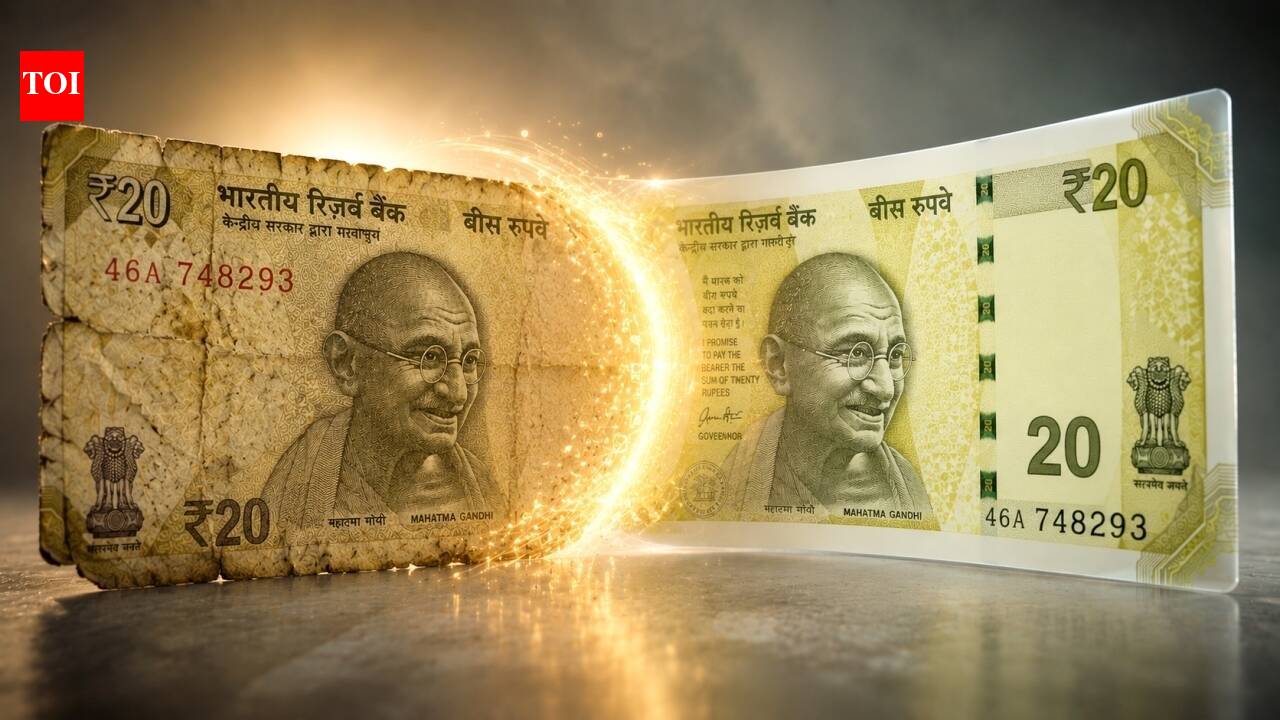
The Reserve Bank of India (RBI) is contemplating a shift from traditional cotton-based paper currency to polymer notes. This potential change aims to address the rapid deterioration of notes due to India's diverse climatic conditions and frequent handling.

Why Consider Polymer Notes?

Polymer notes, first developed in Australia, offer enhanced durability and security features. Countries like the United Kingdom, Canada, New Zealand, and Singapore have adopted these notes, benefiting from their resistance to moisture and dirt, and longer circulation life.

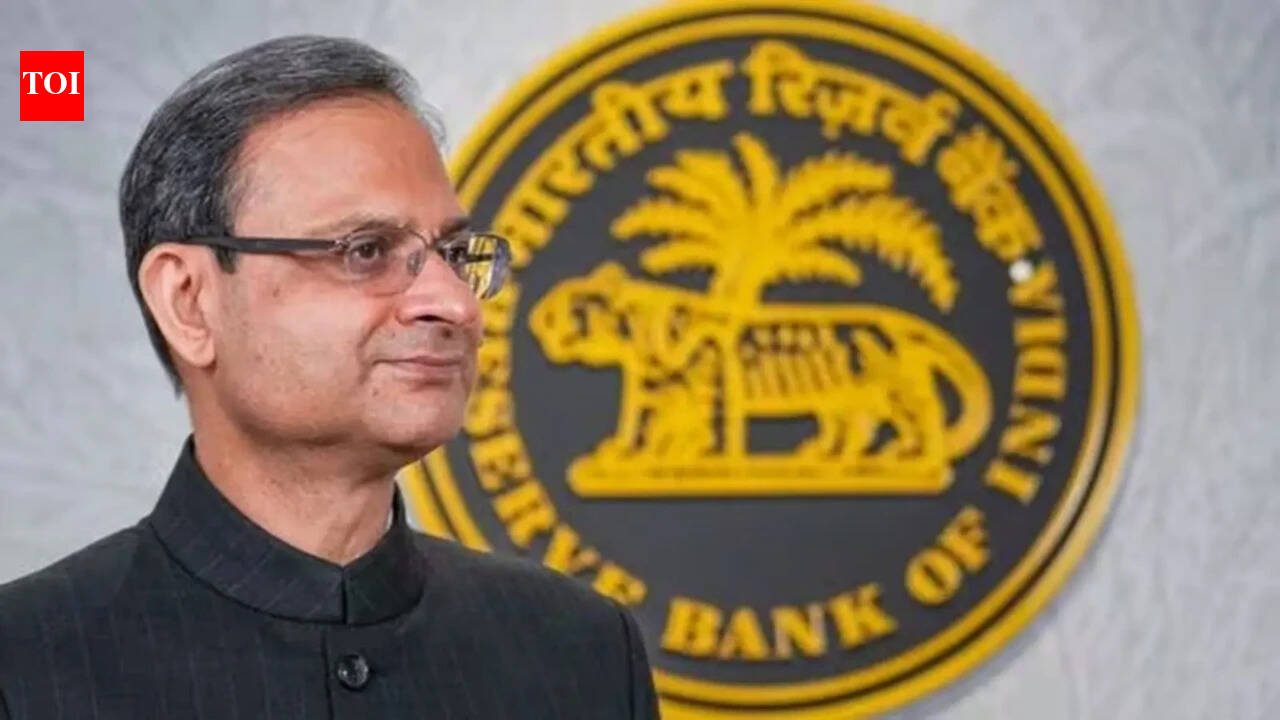
"Polymer notes can last at least twice as long as paper notes and, in some cases, up to five times longer," said RBI Governor Sanjay Malhotra.

Supply Side Considerations

The RBI faces challenges with the frequent replacement of damaged notes. Annually, nearly two lakh damaged currency notes are withdrawn. High-value notes such as Rs 100 and Rs 500 are particularly affected. By switching to polymer, the RBI could reduce the frequency and cost of printing new notes.

Demand Side and Security Enhancements

Polymer notes offer advanced security features like transparent windows and holograms, which are harder to counterfeit. With a rise in fake high-denomination notes, particularly Rs 500, polymer notes could mitigate counterfeiting risks. Australia reports lower levels of successful counterfeiting since adopting polymer notes.

Outlook and Future Steps

The RBI's proposal is still in the preliminary stages, with no final decision made. However, the potential benefits of polymer notes in terms of durability and security make them a compelling option. The RBI's next steps will likely involve pilot projects and further evaluation of cost implications.

Country Adoption Year Benefits Reported
Australia Mid-1990s Enhanced security, durability
United Kingdom 2016 Reduced counterfeiting
Canada 2011 Longer circulation life
New Zealand 1999 Cost savings on printing

The RBI's exploration of polymer notes reflects a broader trend towards more secure and durable currency solutions, aligning with global practices.
Keep Reading

Recommended Stories

India Approves 2 Billion Polymer Banknotes for Field Trials as RBI Revives Plastic Currency Plan Business

India Approves 2 Billion Polymer Banknotes for Field Trials as RBI Revives Plastic Currency Plan

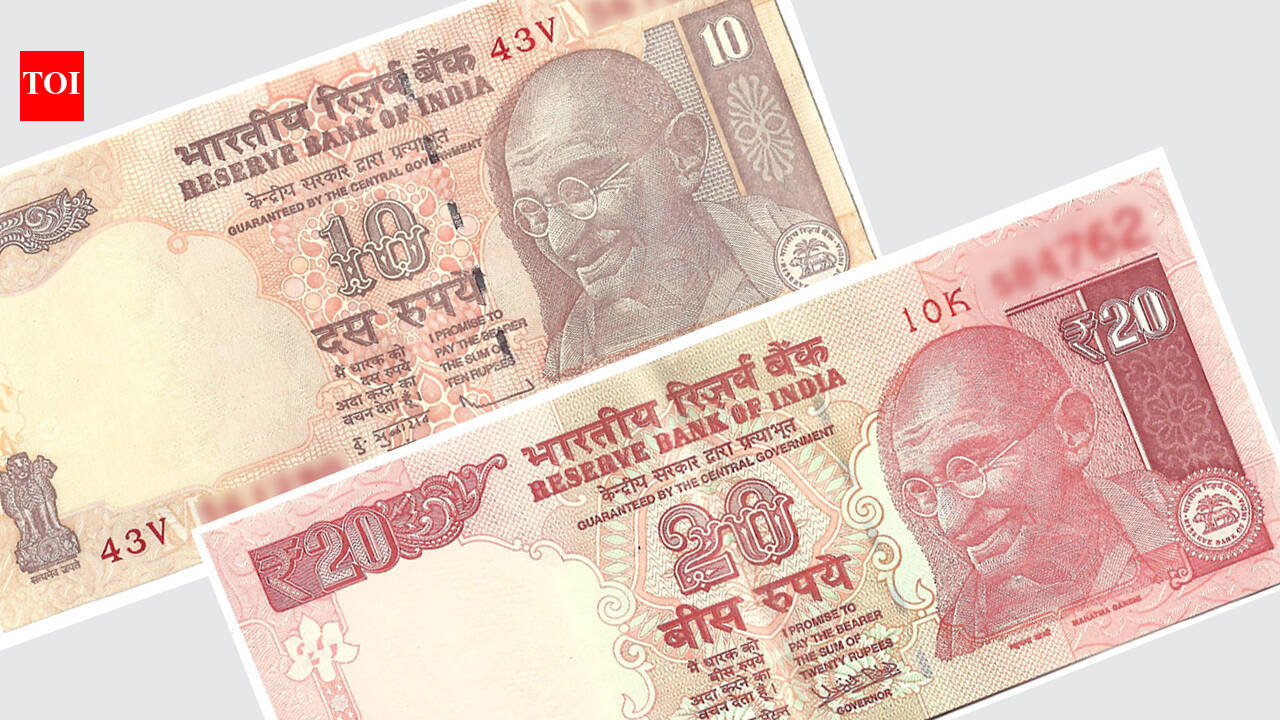
The Indian government has authorised the Reserve Bank of India to print an initial batch of 2 billion polymer banknotes for field trials, with one billion Rs 10 notes and one billion Rs 20 notes. Minister of State for Finance Pankaj Chaudhary clarified that paper currency will not be replaced entirely. The move revives a proposal first announced in 2012 and comes as RBI's note printing expenditure fell nearly 25% to Rs 4,875 crore in 2025-26.

July 29, 2026
Rupee banknotes outnumber dollar and euro in circulation, RBI deputy governor says Finance

Rupee banknotes outnumber dollar and euro in circulation, RBI deputy governor says

RBI Deputy Governor Shirish Chandra Murmu said 176 billion rupee banknotes are in circulation, three times the volume of US dollar bills and nearly six times euro notes. The scale reflects India's denomination mix and a 'cash paradox' of double-digit currency growth amid rising digital payments.

August 19, 2026
RBI holds repo rate at 5.25%, lifts growth outlook, cuts inflation forecast Business

RBI holds repo rate at 5.25%, lifts growth outlook, cuts inflation forecast

The RBI's Monetary Policy Committee unanimously kept the repo rate unchanged at 5.25% with a neutral stance, while raising the FY27 real GDP growth projection to 6.7% and cutting the core inflation forecast to 4.3%. Governor Sanjay Malhotra said greater clarity on inflation is needed before any policy action, signaling no immediate rate hike this year.

August 6, 2026
India Permits 2 Billion Rs 10, Rs 20 Polymer Notes for Field Trials Finance

India Permits 2 Billion Rs 10, Rs 20 Polymer Notes for Field Trials

India has permitted the Reserve Bank of India to print 2 billion polymer notes — one billion each of Rs 10 and Rs 20 — for field trials, reviving a decades-old plan. The RBI has floated a global tender for polymer substrate sheets through BRBNMPL. Experts say polymer notes last two to three times longer than paper, lowering lifetime cost despite higher upfront unit cost, and paper currency will remain legal tender.

July 31, 2026