The Reserve Bank of India's Monetary Policy Committee voted unanimously to keep the repo rate unchanged at 5.25% and retain a neutral stance, while revising growth projections higher and inflation estimates lower, according to Business-Today. The decision signals no immediate rate hike this year despite concerns among forecasters.
MPC keeps rates on hold, retains neutral stance
The six-member Monetary Policy Committee voted unanimously to keep the repo rate unchanged at 5.25% and retain a neutral stance, Business-Today reported. The decision comes as the central bank signaled it would wait for more clarity before adjusting policy.
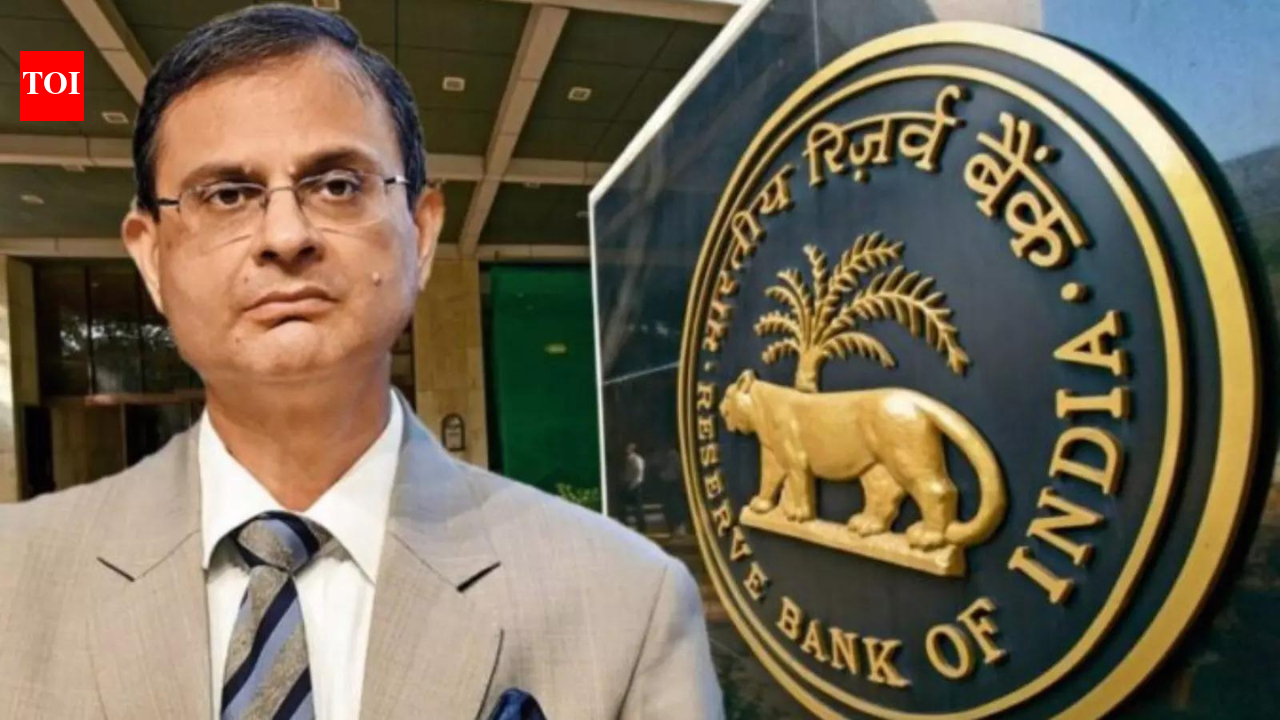
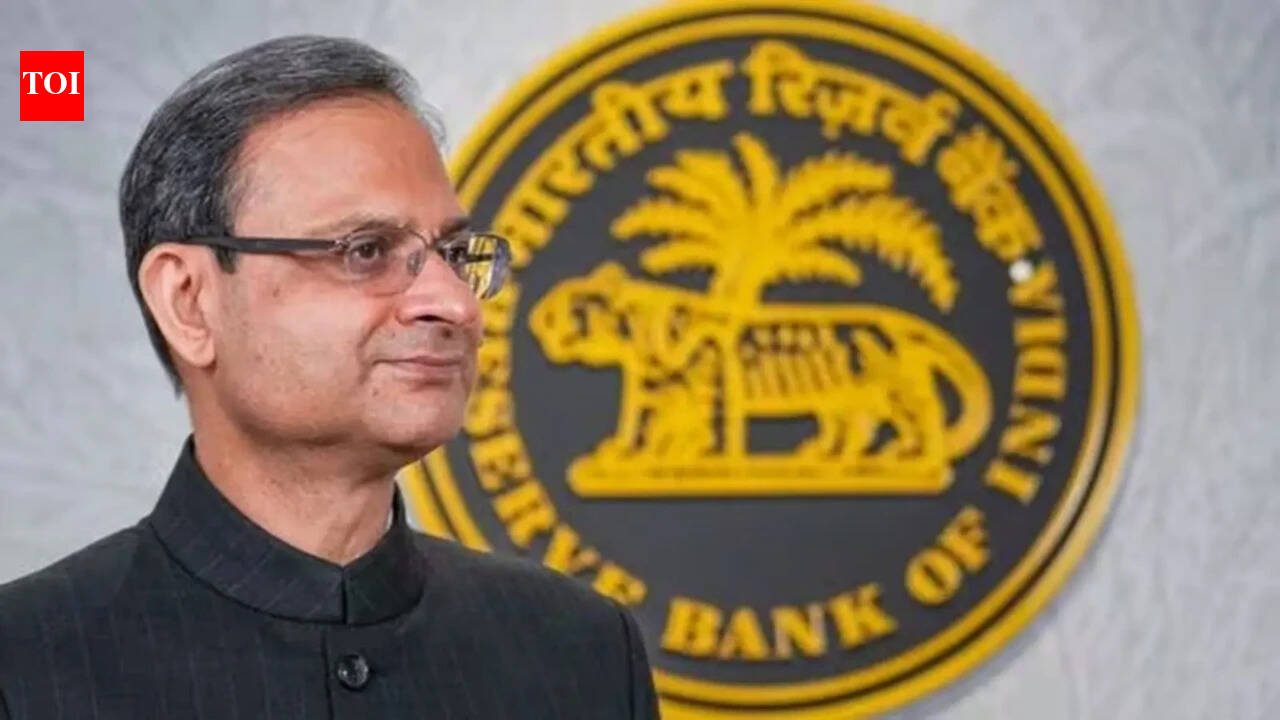
"There is a need for greater clarity to emerge, especially regarding inflation, its path and composition before taking any policy action," RBI Governor Sanjay Malhotra said, according to the report.
The policy statement was seen as more dovish than the previous June statement. Soumya Kanti Ghosh, chief economist at SBI group, said the policy "communicates less uncertainty and is more dovish compared to the June statement."
Ghosh added: "Clearly, the RBI policy statement pushes out any rate hikes in FY27 with inflation also remaining benign at 5% and core inflation at 4.3%."
Growth forecast raised to 6.7%
The central bank now projects real GDP growth for 2026-27 at 6.7%, Business-Today reported. The quarterly breakdown is:
| Quarter | GDP Growth Projection |
|---|---|
| Q1 | 7.0% |
| Q2 | 6.4% |
| Q3 | 6.5% |
| Q4 | 6.8% |
The higher growth path comes even as the central bank flagged risks including resumption of the West Asia conflict, deficient or uneven monsoon conditions amid El Niño, and sharp two-way movements in global oil prices, according to the report.
Inflation estimates lowered
The MPC revised the core inflation forecast for FY27 downward by 40 basis points to 4.3%, from 4.7% made in June 2027, Business-Today reported. Overall CPI inflation was reduced by 10 basis points to 5.0%, after Q1 inflation came in 30 basis points lower than earlier estimates due to limited pass-through of cost pressures.
The RBI said underlying demand pressures remain benign. It noted that core inflation excluding precious metals stood at 2.3% to 2.5%, while headline inflation pressures were driven largely by supply-side factors such as food and fuel rather than broad-based demand.
The central bank reiterated the same set of risks cited earlier: resumption of West Asia conflict, deficient or uneven monsoon conditions amid El Niño, and sharp two-way movements in global oil prices.
Implications for investors
For corporate treasurers and finance executives, the unchanged repo rate at 5.25% means borrowing costs for working capital and capital expenditure remain at current levels, while the neutral stance suggests no imminent tightening. The combination of higher growth — 6.7% for FY27 — and lower inflation — 5.0% headline CPI and 4.3% core — points to an environment where the central bank sees room to support economic expansion without immediate pressure to hike rates.
The revised projections also suggest the RBI expects supply-side pressures, particularly from food and fuel, to ease over the forecast horizon. Companies with pricing power in sectors sensitive to food and fuel costs may see margin relief if these inflation projections materialize.
For equity analysts and investors, the policy removes a near-term rate-hike risk, which could support valuations in interest-rate-sensitive sectors such as real estate, autos, and financials. Bond investors, meanwhile, may interpret the dovish tilt as supportive of fixed-income prices, though the neutral stance leaves the door open for future action depending on inflation data.
With the next policy review not specified in the report, market participants will watch incoming inflation prints and monsoon progress for cues, as the RBI's stated approach is data-dependent and clarity-driven.
Sources: