According to a Business Today report, the Reserve Bank of India (RBI) on Thursday informed the Parliamentary Standing Committee on Finance that cryptocurrency is difficult to regulate and poses significant risks, including financing of crimes with transnational dimensions such as drug trade and terrorism.
RBI's Firm Stance Against Legalisation
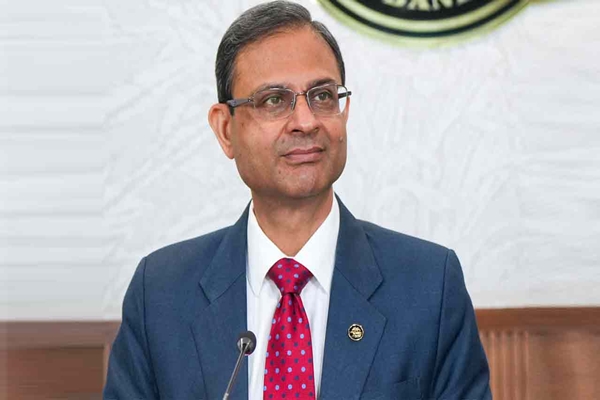
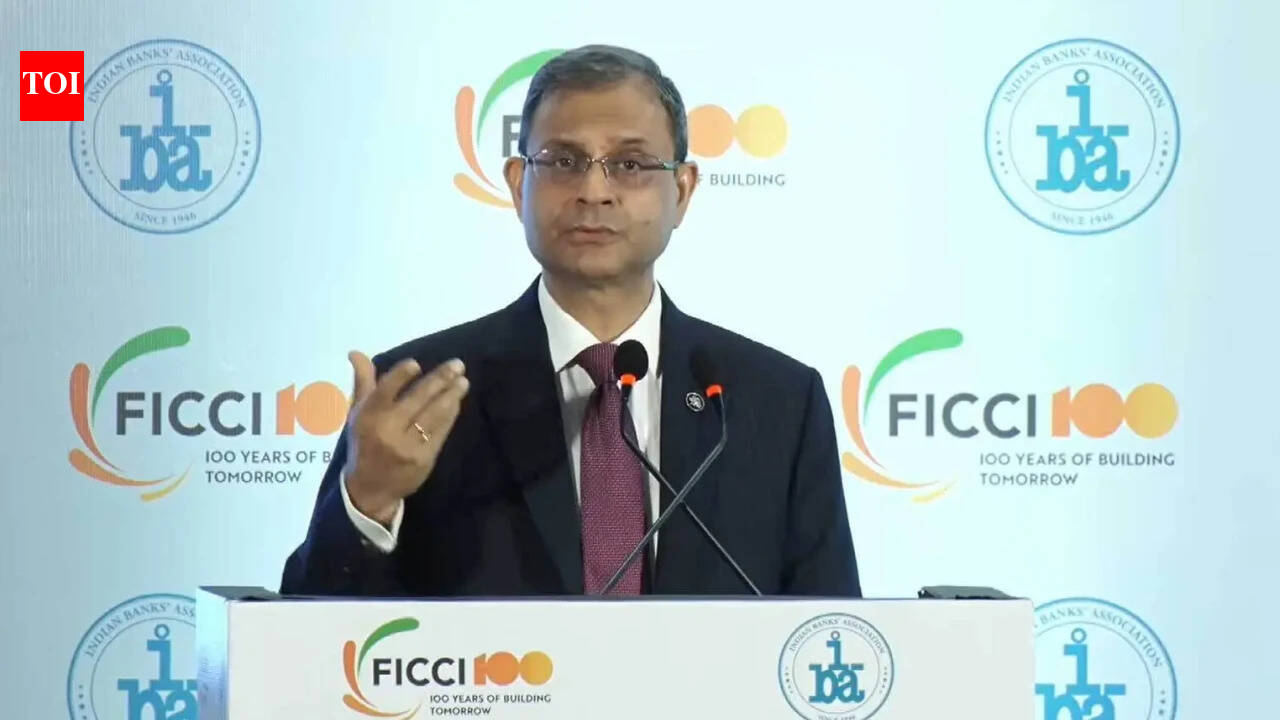
The central bank's position was made clear during the briefing. A lawmaker, speaking on condition of anonymity, said that RBI emphasised that virtual digital assets (VDAs) are difficult to regulate and that cryptocurrency can especially pose big problems for an emerging economy like India. The lawmaker noted that even a more developed economy like China has banned crypto. Standing committee on finance chairman Bhartruhari Mahtab answered "No" when asked if RBI is for legalising cryptocurrency, according to persons familiar with the deliberations. The central bank is a strong opponent to legalising crypto assets and has publicly stated its opposition. Thursday's assertion is seen as a firm no from governor Sanjay Malhotra, amid a strong lobby seeking legitimacy for VDAs.
Regulatory Challenges in Tracking Offshore Entities
RBI also highlighted the difficulty of regulating VDAs due to the transnational nature of the asset class. Sources added that tracking offshore entities involved in VDA trade poses a serious challenge for regulatory authorities. This concern is particularly acute for an emerging economy like India, where capital controls and anti-money laundering frameworks are critical.
ICAI's Contrasting View on Strategic Opportunities
In contrast to RBI, the Institute of Chartered Accountants of India (ICAI) presented a different perspective to the panel. Sources said ICAI believes VDAs present a set of strategic opportunities for India if aligned with the country's strengths in digital infrastructure, fintech innovation, and global services leadership. The institute called for a comprehensive VDA Law providing guidance on issuance, trading and custody that attracts institutional participants and strengthens investor protection.
ICAI specifically highlighted the potential of VDAs in cross-border payments and remittances:
- Leveraging blockchain-based systems and stablecoins can enable faster, lower-cost, and more transparent cross-border transactions.
- These can complement existing digital payment systems such as UPI.
- This can strengthen India's role as a global hub for efficient payment infrastructure.
Additionally, with a strong base of software talent and startups, India can drive development in areas such as blockchain applications, decentralised finance tech, and smart contract platforms, according to sources privy to ICAI's view.
| Aspect | RBI View | ICAI View |
|---|---|---|
| Legalisation | Opposed; difficult to regulate | Advocate for comprehensive VDA Law |
| Primary risks | Crime financing, terrorism, offshore tracking challenges | Opportunities if regulated correctly |
| Cross-border payments | Not specifically addressed | VDAs can enhance payments and remittances |
| Blockchain development | Not mentioned | India can lead in blockchain and DeFi |
Implications for Finance Executives and Treasury Professionals
For CFOs, treasury directors, and trade finance professionals monitoring India's regulatory environment, the RBI's opposition signals continued caution regarding the use of digital assets for corporate purposes. The central bank's firm stance may limit the adoption of stablecoins for cross-border trade settlements or working capital management, despite the potential benefits highlighted by ICAI. The challenge of tracking offshore VDA entities also raises compliance risks for multinational corporations operating in India. Meanwhile, ICAI's call for a VDA Law suggests that a regulated framework could eventually emerge, potentially opening avenues for institutional participation in digital asset markets. The divergence between RBI and ICAI underscores the complexity of cryptocurrency regulation in India and the need for businesses to stay attuned to policy developments.
Key Facts and Figures
- RBI governor: Sanjay Malhotra
- Committee chairman: Bhartruhari Mahtab
- Support for regulation: ICAI advocates for a VDA Law
- Parallel: China has banned cryptocurrency outright
Sources: