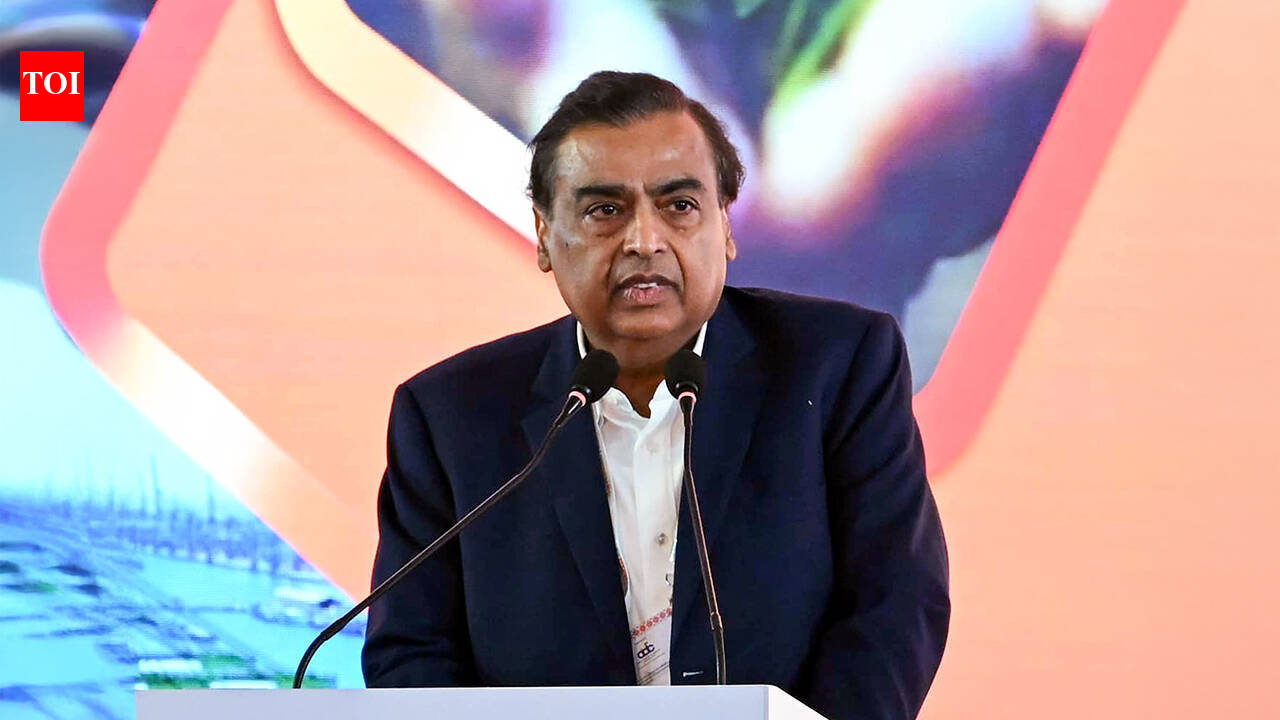
Jio Platforms, the digital services arm of Reliance Industries led by billionaire Mukesh Ambani, filed draft papers on Friday for a public issue estimated at around $4 billion (Rs 37,700 crore), according to Business Today. The draft red herring prospectus (DRHP) flags a wide range of risks spanning spectrum renewals, cybersecurity threats, artificial intelligence regulations, data privacy rules and intensifying competition that could affect future growth and profitability.
Spectrum and Licence Renewals
One of the biggest risks highlighted relates to spectrum and licences, which form the backbone of Jio's telecom operations. According to the DRHP, Reliance Jio Infocomm's unified telecom licence is due for renewal in October 2033, while most of its spectrum holdings are valid until 2041-42. The company warned that any inability to maintain or renew such licences or to successfully bid for spectrum could have a material adverse impact on its business, financial condition and results of operations.
| Licence/Asset | Expiry Date |
|---|---|
| Unified telecom licence | October 2033 |
| Most spectrum holdings | 2041-42 |
The prospectus also highlighted concerns around securing future spectrum at commercially viable prices. Although Jio said it currently has a diversified portfolio of low-, mid- and high-band spectrum, it acknowledged that future auctions and competitive bidding could pose challenges.
"RJIL holds telecommunication licence and spectrum across different bands which are critical for its operations. Any inability to maintain or renew such licences or to successfully bid for any spectrum required for our operations could have a material adverse impact on our business, financial condition and results of operations," the DRHP said, as quoted by PTI via Business Today.
Artificial Intelligence Regulatory Uncertainty
Artificial intelligence has emerged as another area of regulatory uncertainty. Jio said AI-related regulations are evolving rapidly across jurisdictions and future rules could require modifications to existing AI and machine learning systems, increase compliance costs or restrict certain applications. The company warned that changing regulatory expectations around AI could affect how it develops and deploys future products and services.
Cybersecurity and Data Protection
Cybersecurity and data protection also feature prominently among the risks. According to the DRHP, cybersecurity incidents, privacy breaches or data leaks could disrupt operations and damage the company's reputation. The company noted that cybersecurity risk forms part of its broader enterprise risk management and governance framework, but no security framework can provide absolute protection.
"Cybersecurity risk forms part of our broader enterprise risk management and governance framework. However, no security framework can provide absolute protection, and there can be no assurance that our measures will prevent all cybersecurity incidents, and any failure by our systems could have an adverse impact on our operations and reputation," it said.
Regulatory and Competitive Pressures
Jio also flagged potential risks from changing consumption patterns driven by regulation. The company said any regulatory developments that restrict or limit the use of social media, including by minors or involving the online gaming industry or imposition of additional charges on data usage, may impact consumption of data by customers. Additionally, any move by regulators to bring over-the-top (OTT) platforms under a licensing or regulatory framework could alter competitive dynamics and compliance requirements for digital service providers.
The company also cautioned investors about uncertainties surrounding its satellite connectivity ambitions. While Jio is developing satellite constellation-based connectivity solutions and exploring strategic partnerships, it said there is no assurance that such services can be rolled out on time, receive necessary approvals or remain competitive against rival offerings.
For finance executives and investors tracking capital markets, the DRHP provides critical insights into the regulatory and operational risks that could affect Jio's valuation and future cash flows. Spectrum renewal costs, AI compliance expenses, and cybersecurity investments represent potential drags on profitability, while competition in India's telecom market remains intense. The IPO's success will depend on investors' assessment of these risks against Jio's dominant market position.
Sources: