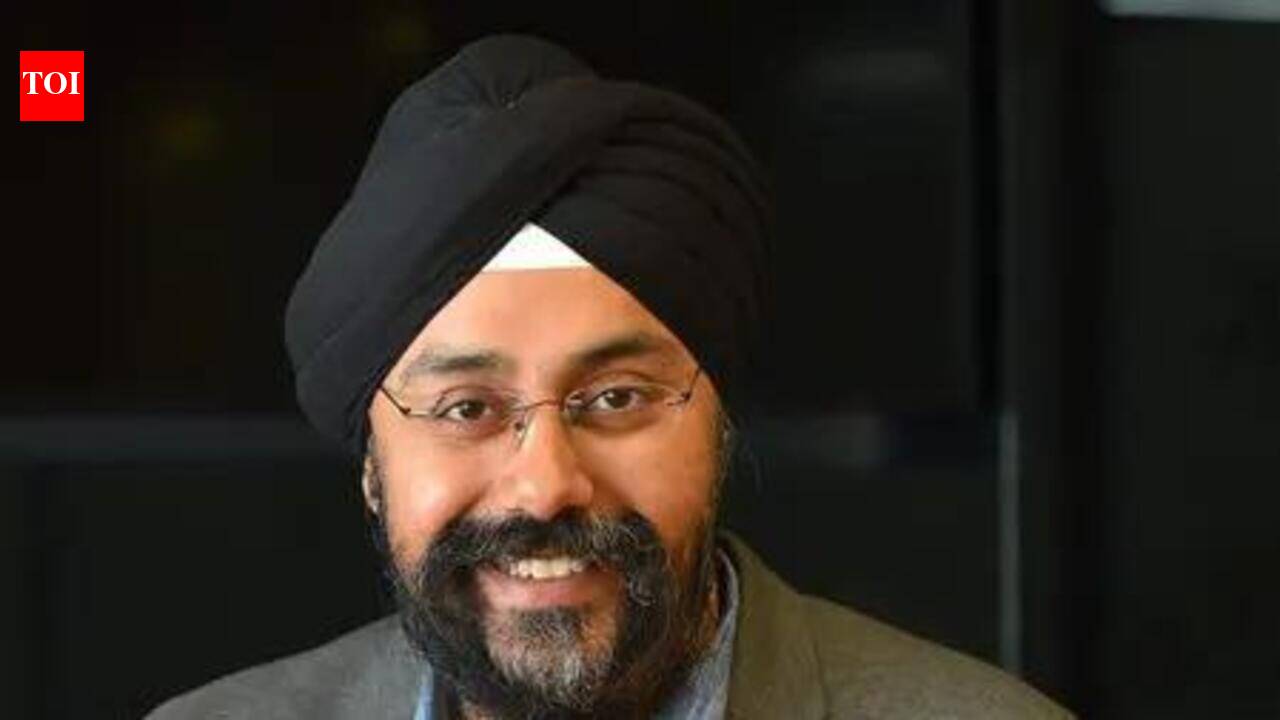
WIRED's Joel Khalili reported that David Silver, founder of AI lab Ineffable Intelligence, is a billionaire on paper — but he stands to collect none of that fortune himself. Silver, who previously worked at Google DeepMind and led development of AlphaGo, has vowed to donate all the money he makes from any future sale of his company to charity. He is part of a growing line of AI founders pledging equity proceeds to philanthropy, according to WIRED, and the trend is raising unresolved questions about wealth redistribution and the limits of charitable giving.
A Binding Pledge, Not a PR Stunt
Silver formalized his charitable commitment through Founders Pledge, a nonprofit that helps entrepreneurs give away their wealth. Unlike the Giving Pledge, which is public but nonbinding, Founders Pledge requires participants to enter into a contract. "The choice of making a binding pledge was very important," Silver told WIRED.
According to WIRED, Silver worked as a researcher at Google DeepMind between 2013 and 2025, specializing in reinforcement learning — a method of teaching an AI model through positive and negative feedback. In 2016, he led the development of AlphaGo, which became the first AI to defeat a human champion in the game of Go and was heralded as a narrow form of superintelligence. Silver left to start Ineffable Intelligence in January, betting that reinforcement learning breakthroughs will close the gap between human and machine cognition.
When Silver founded Ineffable Intelligence, he raised $1.1 billion from investors at a $5.1 billion valuation, reportedly the largest seed round in Europe's history. He told WIRED in an interview at his office in Kings Cross, London: "I was thinking very deeply about what I could do to have the maximum impact on the world. Not just through the work I do, but through the finance I arrive at in the process." He said he will choose how to deploy the funds after selling his company, with the ambition of saving as many lives as possible.
Who Else Is Pledging AI Wealth?
Silver is the latest in a growing line of AI founders to pledge equity proceeds to charity, according to WIRED. Others include Mustafa Suleyman, a DeepMind cofounder and the CEO of AI at Microsoft, and Anton Osika, the founder of automated coding platform Lovable.
| Founder | Background | Pledge |
|---|---|---|
| David Silver | Founder of Ineffable Intelligence; former Google DeepMind researcher | Donate all proceeds from a future company sale |
| Mustafa Suleyman | DeepMind cofounder; CEO of AI at Microsoft | Pledged equity proceeds to charity |
| Anton Osika | Founder of Lovable | Pledged equity proceeds to charity |
Philanthropy's Rapid Growth
The value of pledges recorded by Founders Pledge has soared recently, from $400 million in 2023 to $4 billion so far this year, according to WIRED. The AI industry now accounts for a third of the lifetime pledge total. If OpenAI and Anthropic go public as planned, minting thousands of new millionaires in the process, the AI industry could soon represent an increasingly outsize proportion of tech philanthropy, the report said.
The organization's goal, according to cofounder David Goldberg, is to identify "the very best ways to deploy capital at scale to make the world better." Goldberg pushed back against frequent comparisons to effective altruism, which encourages people to amass wealth in order to give it away, rely on statistics rather than emotion, and prioritize causes likely to have the biggest impact in the distant future. "We're far more humanist," he said. Silver, for his part, considers himself an effective altruist.
The Skeptics' View
WIRED reported a set of unresolved questions around the philanthropic wave: Is philanthropy the most appropriate way to redistribute wealth? To what degree are megadonors responsible for some of the problems they aim to fix? Could a pledge that scales with a company's success justify unsavory business practices or reckless accelerationism? And is this go-around any different from previous iterations of Silicon Valley giving?
Linsey McGoey, professor of sociology at the University of Essex and author of "No Such Thing as a Free Gift," told WIRED:
You can't necessarily appeal to capitalism to solve some of the problems created by capitalist practices themselves … the exacerbation of extreme wealth concentration and massive inequalities. It's like calling upon the arsonist to hose down the house he's just set on fire.
The questions are unlikely to fade as more AI fortunes come due. Whether binding contracts like Founders Pledge provide a meaningful answer to inequality — or simply put a charitable face on extreme wealth concentration — remains open, according to the report.
Sources: