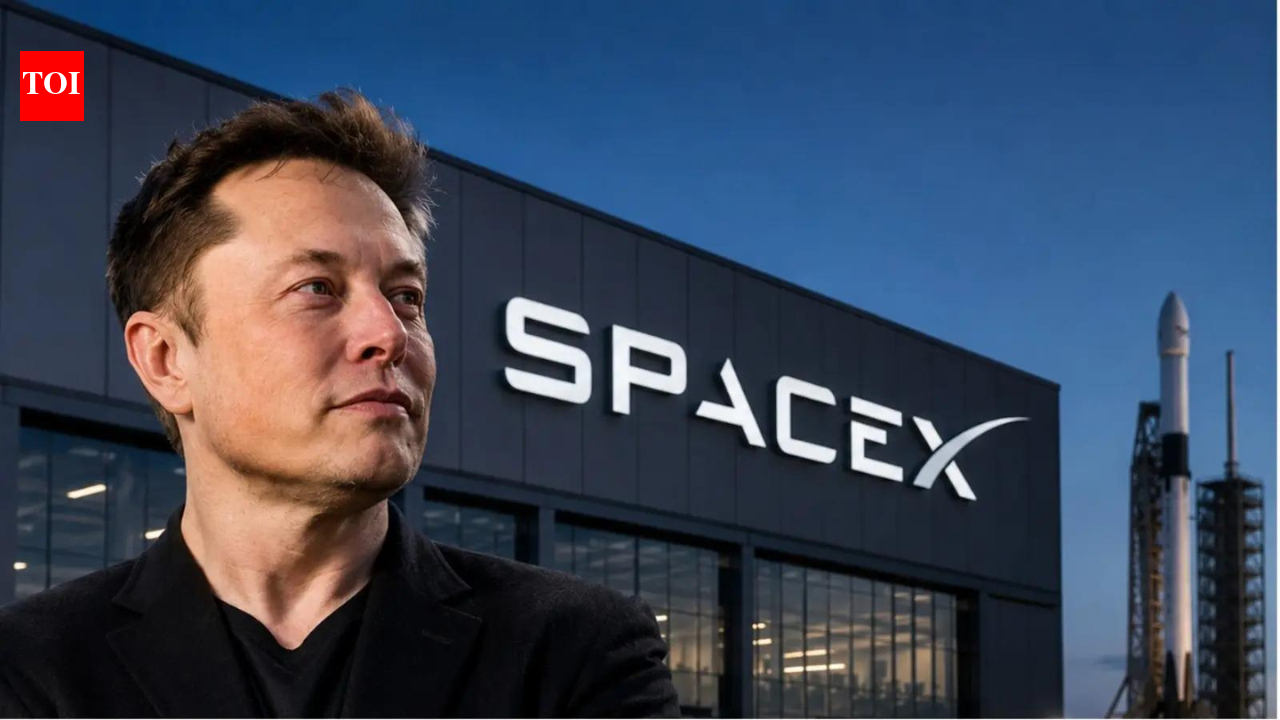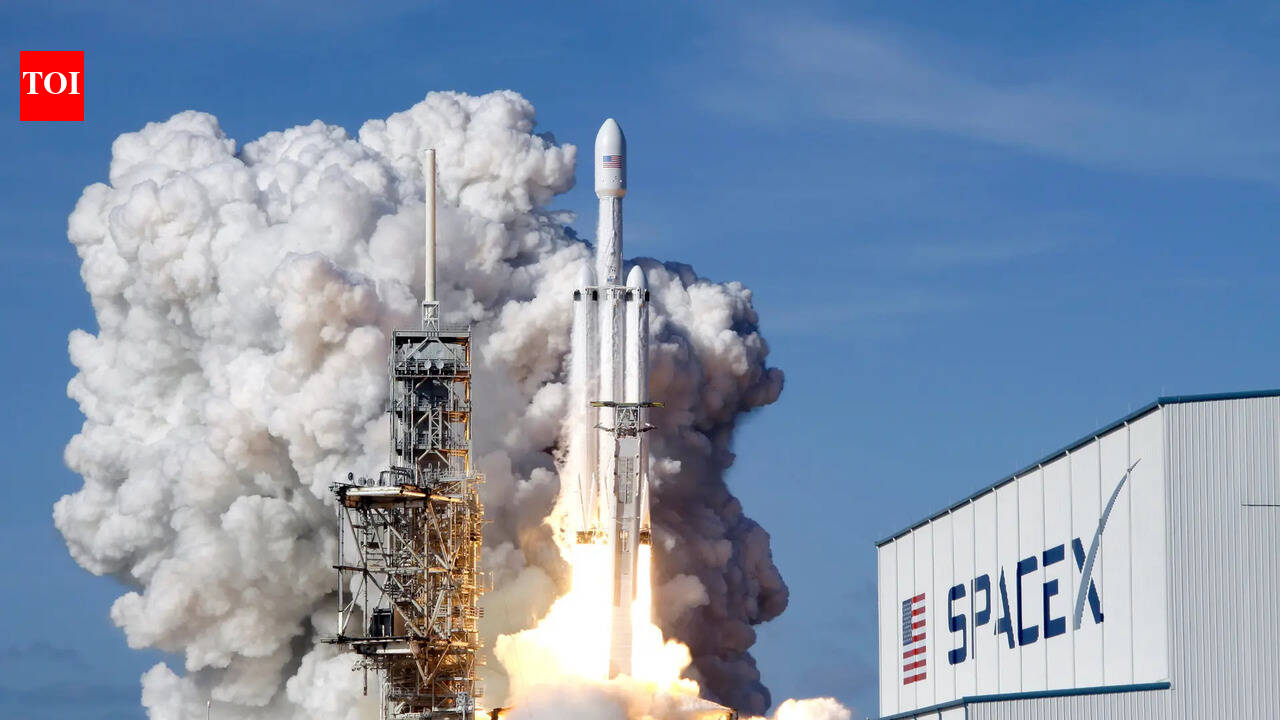
SpaceX raised $75 billion in its highly anticipated market debut on Friday, selling 555.6 million shares — about 5% of its stock — according to a Reuters report. However, the company could raise billions more in the coming weeks through a greenshoe option that gives Morgan Stanley, the stabilization agent, the right to buy additional shares at the IPO price of $135 apiece for up to 30 days after trading begins.
Greenshoe Mechanics Explained
If fully exercised, Morgan Stanley could acquire around 83 million more shares from SpaceX, bringing the total shares sold to 638.9 million and increasing the amount raised by a further $11.2 billion. Unlike the shares already offered to investors, these additional shares have not yet been issued. Instead, underwriters must first sell the stock through a short position in the market. They can then either purchase the shares from SpaceX at the original offer price or buy them back from the open market, depending on how the stock performs.
The route taken depends on the share price after listing:
- If the stock trades above the IPO price: Underwriters can exercise the greenshoe option and buy extra shares directly from SpaceX, enabling the company to raise additional capital while covering their short position. Strong investor demand thus translates into a larger fundraising haul.
- If the stock falls below the offer price: Underwriters are more likely to buy shares in the open market instead, closing out their short position while helping to support the stock and reduce volatility during early trading.
Historical Precedents: Alibaba and Uber
The greenshoe, formally called an over-allotment option, has been used in major public offerings for decades. It traces its origins to Green Shoe Manufacturing, which first employed the structure during its 1960 IPO. Two prominent examples illustrate the divergent outcomes:
| Company | IPO Year | IPO Price | First-Day Move | Greenshoe Exercise | Total Proceeds Boosted |
|---|---|---|---|---|---|
| Alibaba | 2014 | $68 | +38% | Fully exercised (15% option, 48M shares) | ~$25 billion (largest IPO at that time) |
| Uber | 2019 | $45 | -7% | Not exercised from company; underwriters bought in market | No additional capital for Uber |
In Alibaba's case, soaring demand pushed the stock 38% above its $68 offer price on the first day. Underwriters exercised the entire 15% greenshoe, purchasing an additional 48 million shares from Alibaba at the IPO price. This move boosted total proceeds to around $25 billion, making it the largest IPO on record at that time.
Uber's experience five years later unfolded differently. After pricing its shares at $45, the ride-hailing company's stock slipped below that level amid concerns over its route to profitability and wider market weakness. Rather than buying additional shares from Uber, underwriters stepped into the market to purchase stock directly, aiming to ease selling pressure. Even so, Uber's shares ended their first trading session 7% lower.
What It Means for SpaceX
For SpaceX, the next few weeks will determine whether its landmark IPO remains a $75 billion fundraising event or grows even larger through the exercise of the greenshoe option. The company's strong brand and investor enthusiasm could push the stock higher, potentially triggering the over-allotment and adding $11.2 billion to its coffers. Conversely, if market conditions sour or the stock retreats, the greenshoe may be used only for market stabilization without additional capital for SpaceX.
Sources: