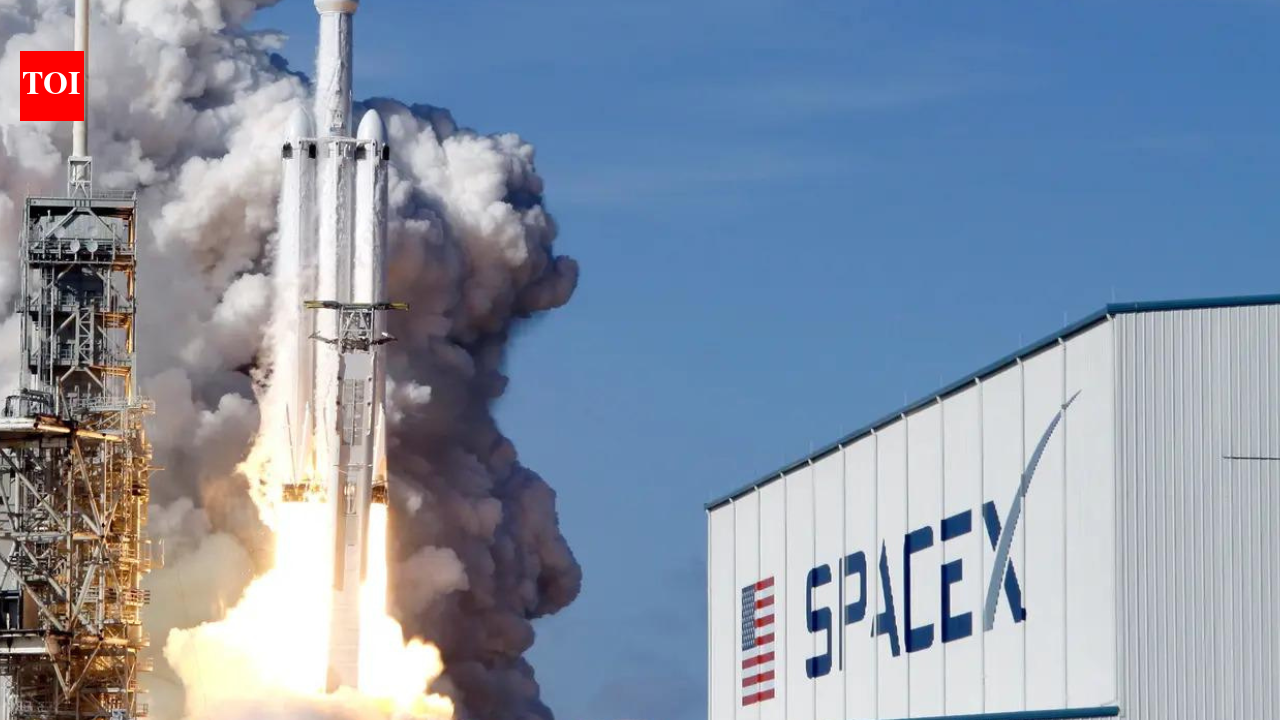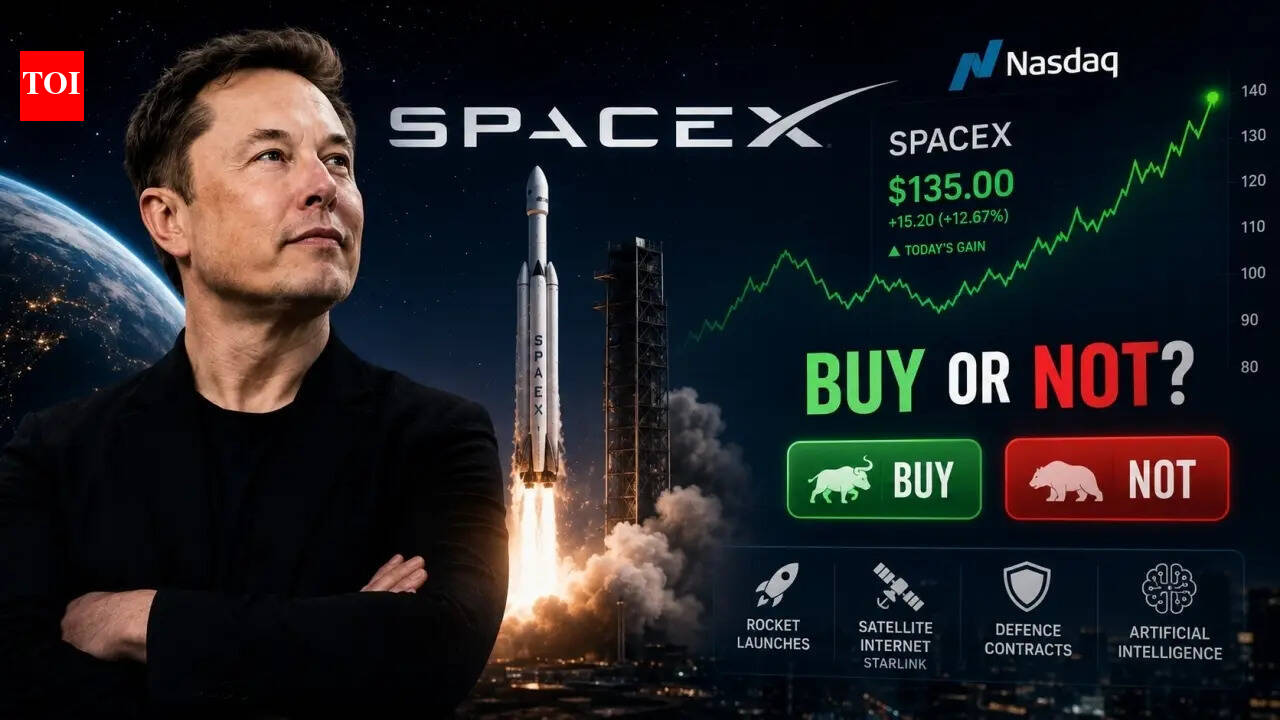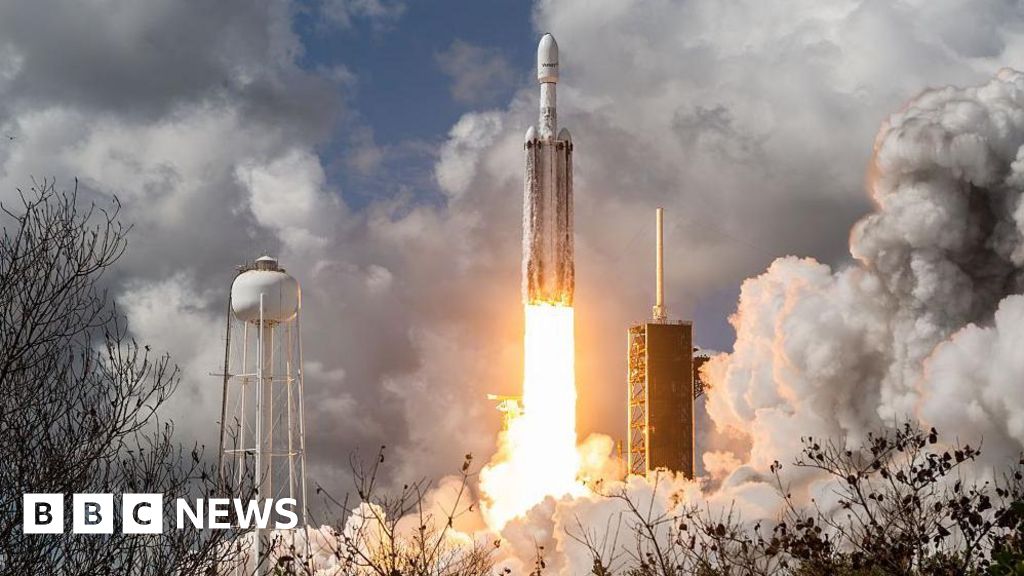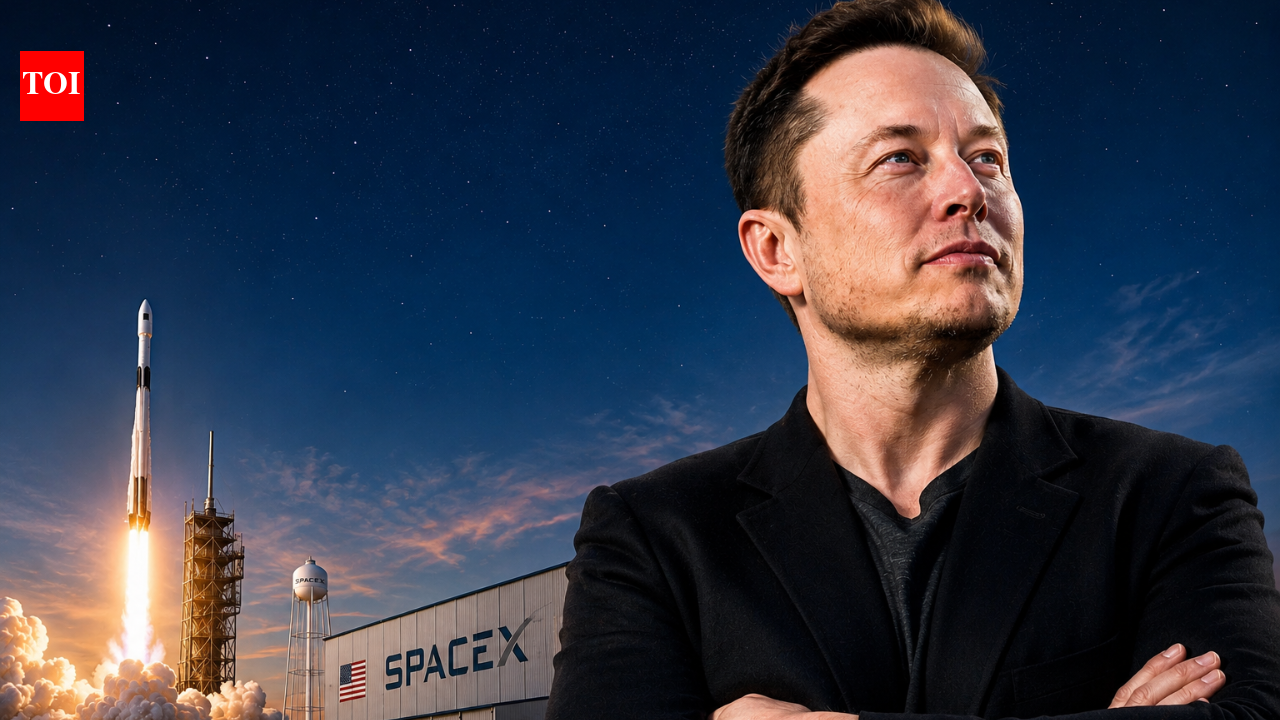
SpaceX, Elon Musk's rocket company, is set to debut on the stock market this week in what could become the largest stock market debut in history. According to various analysts cited by The Wall Street Journal, the company is expected to raise nearly $75 billion at a valuation of about $1.77 trillion.
Retail Investor Allocation
Elon Musk is expected to reserve more than 20% of the offering for individual investors, compared with the typical 5-7% allocated in an IPO, as analysed by The Wall Street Journal. Brokerages are bracing for demand that could far exceed supply as retail investors seek a chance to buy into a company that has remained largely inaccessible during its two decades as a private enterprise. Robinhood CEO Vlad Tenev said that in the past, the brokerage had to persuade companies to allocate shares to retail investors. "We really had to claw and scratch and ask for favors," Tenev said. "Pretty much every major IPO of consequence has been on Robinhood's platform."
Expert Reactions: Divided Views
As anticipation builds, investors and analysts remain divided on whether SpaceX is worth buying at its expected valuation. The WSJ quoted retail investors, financial advisers and market analysts offering sharply differing views.
Deen Noory, a 41-year-old fintech entrepreneur whose net worth is about 85% Tesla stock, plans to buy SpaceX shares. "What's there to think about?" Noory said. He described himself as a believer in Musk's vision of a future driven by AI and space exploration: "You have a limitless industry with Elon Musk at the helm."
Tamar June, a technology executive who remembers buying Yahoo stock on its first trading day in 1996, still hopes to secure SpaceX shares. "I get it—the guy is a bit strange," June said. "But think of the ideas he has executed."
However, Dave Nadig, a veteran fund analyst, warned: "I think most retail investors should avoid trading this like the plague," citing expected extreme volatility. "This is one of the biggest get-the-popcorn moments I've had," he added.
Mike Treacy, head market analyst and vice president of risk at Apex Fintech Solutions, described the enthusiasm as a "perfect storm for exorbitant retail enthusiasm and demand", adding: "Strap on your seat belts."
Jeff Judge, a financial planner in Maryland, believes much of the demand is emotional rather than based on financial metrics. "Most of the interest is emotional, which is the honest truth," Judge said.
Historical Performance of IPO Stocks
Historical data shows that roughly a quarter of IPO stocks lose at least half their value within three years of listing — a caution for retail investors expecting quick gains.
Key IPO Metrics
| Metric | Value |
|---|---|
| Expected amount raised | Nearly $75 billion |
| Valuation | About $1.77 trillion |
| Retail allocation | Over 20% (typical: 5-7%) |
| Historical downside risk | ~25% of IPOs lose ≥50% within 3 years |
For international trade executives, the SpaceX IPO is a cross-sector event with potential downstream implications for satellite logistics, launch services, and space-based supply chains. The overwhelming retail demand signals strong public confidence in Musk's ventures, which may translate into increased investment in space infrastructure that supports global trade connectivity. However, the extreme volatility warned by analysts means that any direct impact on trade-related contracts or pricing is uncertain at this stage. Brokerages are preparing for a trading frenzy, and trade professionals should monitor how the IPO's aftermarket performance affects SpaceX's partnerships with commercial satellite operators and government space agencies.
What to Watch
Watch the first-day trading performance and subsequent volatility, as well as any announcements from SpaceX regarding new launch contracts that could affect global satellite deployment timelines.
Sources: