Accell, the Netherlands-based owner of iconic Nottingham bicycle maker Raleigh, has initiated insolvency proceedings, saying it is "no longer able to meet its financial obligations," according to the BBC. The company announced the move on Wednesday after a period that included redundancies in 2024 and losses of £30m in accounts released the following year, the BBC reported.
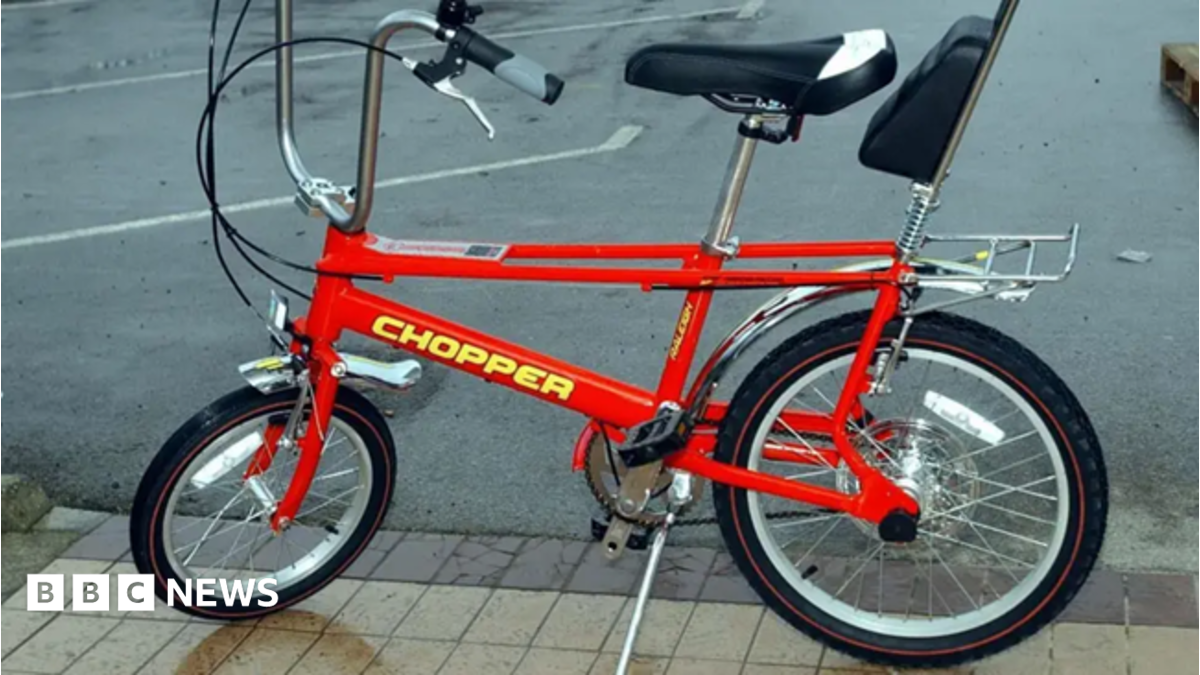
Raleigh, founded in Nottingham in 1887, created the famous Chopper and was once the biggest bicycle maker in the world, employing about 8,000 people at its peak, according to the BBC. Accell bought Raleigh for $100m in 2012. The brand stopped making bikes in Nottingham decades ago, and in 2024 it vacated its headquarters on Church Street in Eastwood to move to new premises less than a mile away, the BBC reported.
Insolvency proceedings begin
Accell said it had "exhausted all the available options" and was no longer able to meet its financial obligations. The company's chief executive, Jonas Nilsson, said Accell had worked "to restructure [its] operations and finances" before deciding to initiate insolvency proceedings, according to the BBC.
Every realistic option for the future of the business has been tirelessly explored, and none have resulted in a solution to continue the group in its current form. — Jonas Nilsson, chief executive, Accell
Nilsson called the situation "a deeply sad and frustrating situation." He said the immediate focus is "to support an orderly process, provide clarity wherever possible, and work with the relevant court-appointed administrators to preserve viable activities and employment where circumstances allow," as quoted by the BBC.
Key financial markers
| Metric | Figure | Period |
|---|---|---|
| Acquisition price | $100m | 2012 |
| Redundancies | Announced | 2024 |
| Losses | £30m | Accounts released the following year |
| Peak employment | ~8,000 | At peak |
| Founding year | 1887 | Nottingham |
Implications for creditors and finance teams
For finance executives, treasury professionals and trade credit analysts, the announcement signals that claims against Accell and its subsidiaries, including Raleigh, will now be handled through a formal insolvency process with court-appointed administrators. The group's own assessment, as stated by Nilsson, is that no solution was found to "continue the group in its current form," meaning the administration will focus on preserving "viable activities and employment where circumstances allow."
The trajectory from a $100m acquisition in 2012 to redundancies in 2024, £30m losses in accounts released the following year, and the current insolvency announcement illustrates how financial distress can build across a corporate group despite a storied brand. Accell's own description of its restructuring effort — working to restructure operations and finances, then exhausting every realistic option — provides a clear picture for credit teams assessing counterparty risk.
Trade finance and supply chain teams with exposure to Accell, Raleigh, or their suppliers should note that the company's management has explicitly stated that it could not find a solution to continue the group in its current form. The presence of court-appointed administrators means that any ongoing business activity will be subject to their oversight, with preservation of viable activities and employment prioritised where circumstances allow, according to the company's statement.
Sources: