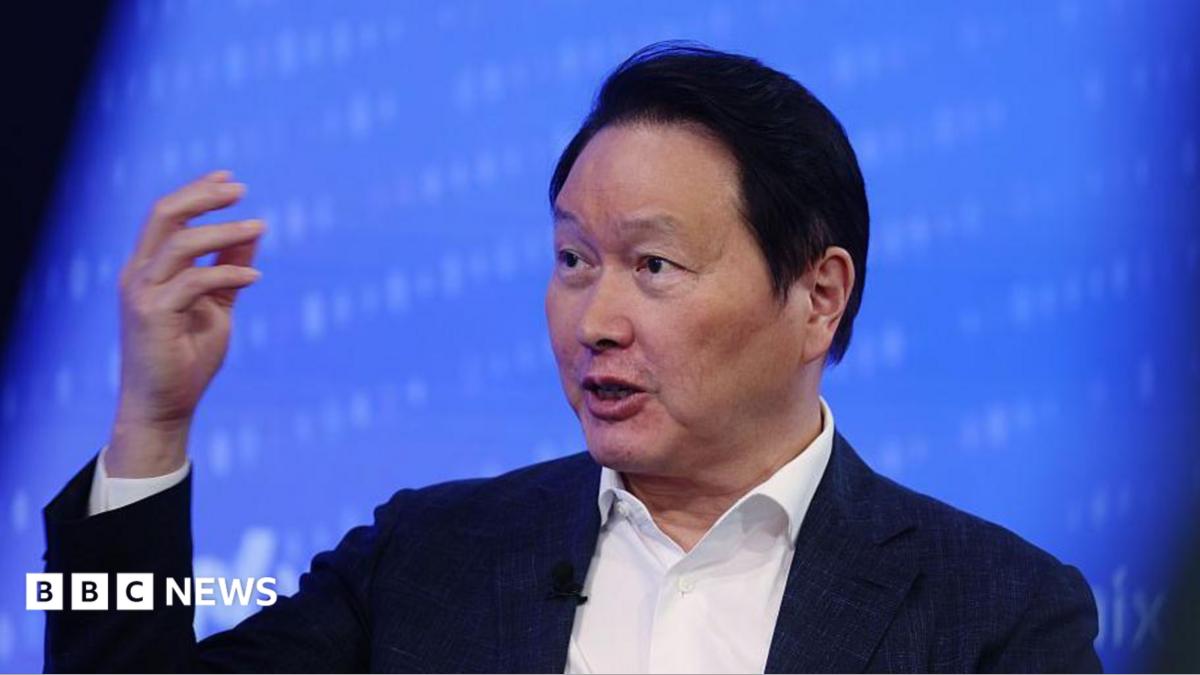
The chairman of SK Group, Chey Tae-won, has been ordered by a South Korean court to pay his ex-wife Roh Soh-yeong 944bn won ($644m) in a divorce settlement, according to a BBC report. The award, which still needs to be finalised, is below the initial 1.38tn won that Chey was told to pay in 2024.
Settlement Details
The verdict, which local media has called the "divorce of the century", comes more than a decade after the marriage to Roh—the daughter of former president Roh Tae-woo—fell apart following the revelation that Chey had fathered a child with another woman. The court deliberated over the division of assets accumulated during the couple's 35-year marriage.
Chey's lawyers stated: "Chairman Chey Tae-won is deeply sorry in that [the divorce] proceedings so far have caused concern to many people. We will share specific response to the verdict after we closely review the ruling."
| Item | Amount |
|---|---|
| Initial award (2024) | 1.38tn won |
| Reduced award (2026) | 944bn won ($644m) |
| Alleged slush fund from Roh Tae-woo (1991) | 30bn won |
Corporate Context
SK Group is one of South Korea's chaebols—family-owned conglomerates that dominate the country's economy. It is the second largest chaebol after the Samsung group, according to the source. The group runs SK Hynix, the semiconductor giant that supplies chips to Nvidia and recently made a record-setting debut on the US stock market. In May, SK Hynix surpassed $1tn on the South Korean stock market.
Last month, President Lee Jae Myung commended Chey during the unveiling of a landmark AI investment plan, calling him and Samsung chairman JY Lee "Heroes of Korean People." The company also raised $26.5bn in its New York share offering, marking the largest ever listing by a foreign firm in the US.
Legal Precedent
During the earlier trial in 2024, Roh's legal team successfully argued that Chey had received significant help from his ex-wife's father, former president Roh Tae-woo, who had served from 1988 to 1993. The court determined that the strongman had given Chey 30bn Korean won from his slush fund in 1991, and ordered Chey to pay 1.38tn to his ex-wife. However, the Supreme Court overturned the verdict last year, ruling that the slush funds were illegally obtained and could not be considered as part of the couple's assets.
Implications for Investors and Trade Finance
For corporate finance executives and trade finance professionals, the settlement introduces a layer of governance risk to SK Group's ownership structure. While Chey remains chairman and the ruling does not directly affect SK Hynix's operations or its critical supply chain relationships with Nvidia, the high-profile divorce could lead to scrutiny of personal assets and potential future claims. The reduction from 1.38tn won to 944bn won removes the most severe financial pressure, but the ongoing legal uncertainty may affect the group's cost of capital for trade credit and project finance. SK Group's strong cash generation from its semiconductor and telecom businesses, combined with the successful $26.5bn NYSE listing, provides a buffer. Nonetheless, CFOs monitoring Korean chaebol risk should note the court's emphasis on the illegality of the slush funds, which may strengthen governance norms going forward.
Sources: