Foreign Portfolio Investors (FPIs) continued their selling spree in Indian equities, withdrawing Rs 32,963 crore in May 2026. This marks a significant capital outflow amid concerns over India's earnings growth, a weakening rupee, and more attractive opportunities in global markets.
Rupee Depreciation and Global Opportunities
The rupee's depreciation has been a major factor influencing foreign investor behavior. The currency has weakened nearly 6% in 2026 and around 10% over the past year, falling from the mid-80s to approximately 95.5 against the US dollar. This depreciation has made dollar-denominated returns less attractive for foreign investors.
- V K Vijayakumar, Chief Investment Strategist at Geojit Investments, highlighted weaker earnings growth in India compared to global markets as a key driver of FPI outflows.
- Sachin Jasuja, Head of Equities at Centricity WealthTech, noted that India's dependence on imported crude oil, with prices rising from USD 70 to USD 95-105 per barrel, has exacerbated the current account deficit.
Impact on Trade Finance and Business
The sustained FPI outflows have implications for trade finance costs and business capital. A weaker rupee increases the cost of importing goods, particularly crude oil, which India heavily relies on. This, in turn, affects the cost of capital for businesses engaged in international trade.
"A weaker rupee directly impacts dollar-denominated returns for foreign investors, making it one of the biggest reasons for continued FPI selling," said Sachin Jasuja.
Expert Reactions
Himanshu Srivastava, Principal - Manager Research at Morningstar Investment Research India, observed that while outflows continue, the pace has moderated. "The gradual improvement in global risk sentiment has reduced the aggressiveness of foreign investors in cutting their exposure to Indian equities," he said.
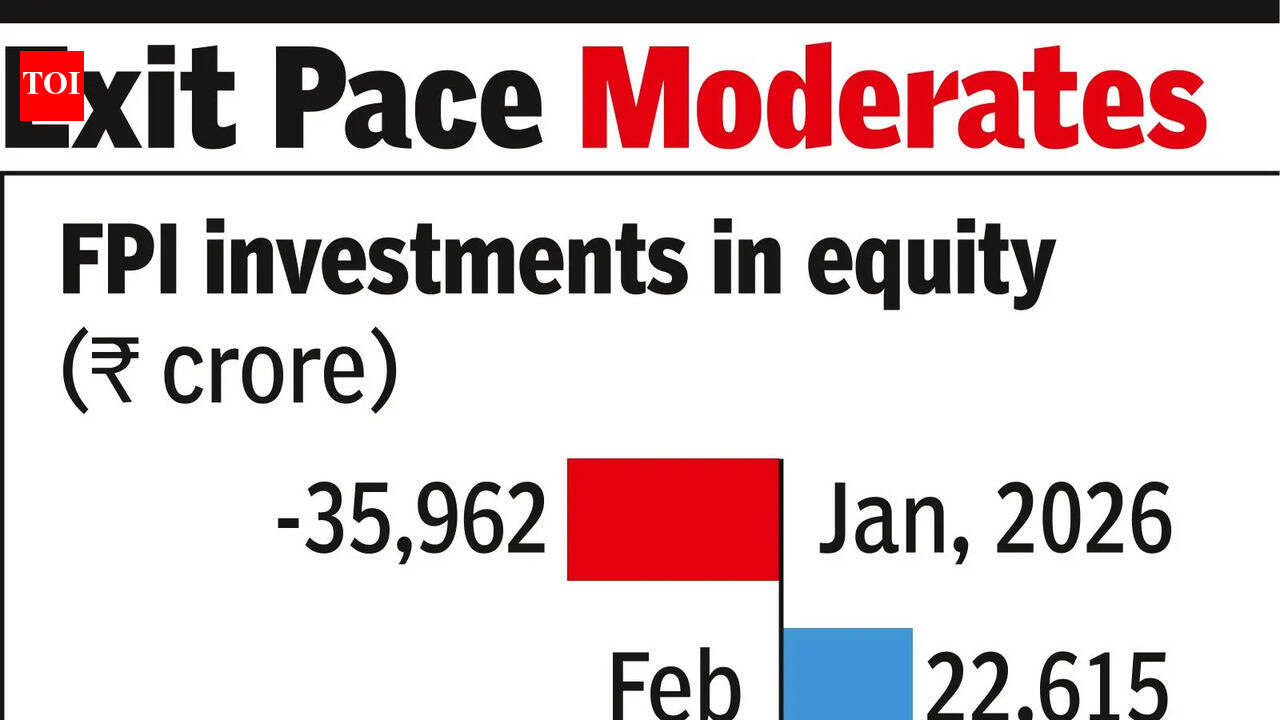
| Month | FPI Inflows/Outflows (Rs crore) |
|---|---|
| January | -35,962 |
| February | +22,615 |
| March | -1,17,000 |
| April | -60,847 |
| May | -32,963 |
Conclusion
The ongoing FPI withdrawals underscore the challenges faced by the Indian market in attracting foreign capital amid global uncertainties and domestic economic pressures. Businesses must navigate these dynamics carefully, considering the impact on trade finance costs and hedging strategies.