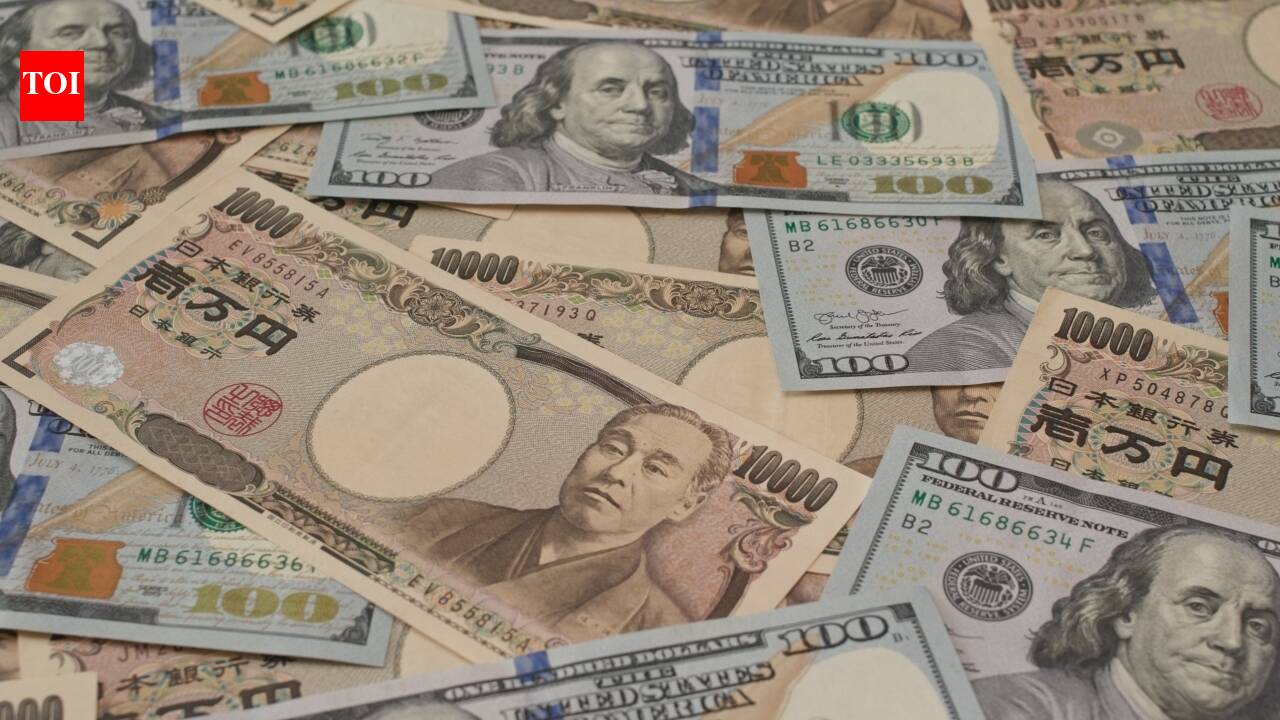
Japan's Ministry of Finance said it intervened in the foreign exchange market on Friday, July 31, buying yen in coordination with the US Department of the Treasury, according to Business-Today. The move was aimed at addressing what the ministry described as "excessive volatility and disorderly movements" in the Japanese currency. The announcement was made in a statement issued on Monday.
Rare Joint Intervention Hits Yen Market
Business-Today reported that the two governments have left the door open for more coordinated action, with Tokyo saying it is ready to step in again if the yen continues to swing. The ministry said the intervention was undertaken under the framework of the Japan-US Finance Ministers' Joint Statement issued in September 2025 — a step the ministry described as countering "excessive volatility and disorderly movements in the Japanese yen in recent months."
September 2025 Framework Guides Action
The ministry emphasised that close coordination with Washington will continue, saying it remains in regular contact with the US Treasury and is prepared to intervene again if market conditions require it.
"We will not hesitate to carry out further coordinated interventions in the future if necessary." — Japan's Ministry of Finance
In its statement, the ministry added: "The Ministry of Finance of Japan is closely monitoring the situation and maintaining tight communication with the US Department of the Treasury."
FIMA Repo Facility on the Table
Japan also announced plans to use the US Federal Reserve's Foreign and International Monetary Authorities (FIMA) Repo Facility in the future. "Japan plans to utilize the Federal Reserve's 'Foreign and International Monetary Authorities Repo Facility' (FIMA Repo Facility) in the future," the ministry said.
Growth Outlook Cut to 0.9%
The currency action comes as Japan trimmed its economic growth outlook for the current fiscal year. According to Kyodo News, the government has cut its growth forecast to 0.9 per cent from 1.3 per cent, citing the impact of higher crude oil prices on the import-dependent economy.
The government said a weaker yen against the US dollar, along with elevated crude oil prices due to the Middle East chaos, continues to pose risks to economic growth.
Key Data at a Glance
| Metric | Detail |
|---|---|
| Intervention date | Friday, July 31 |
| Coordinating authority | US Department of the Treasury |
| Policy framework | Japan-US Finance Ministers' Joint Statement, September 2025 |
| Future liquidity tool | Federal Reserve FIMA Repo Facility |
| Growth forecast, current fiscal year | 0.9% (cut from 1.3%) |
What This Means for Treasurers and Trade Finance Desks
For CFOs, treasury directors and trade finance professionals tracking yen exposure, the rare joint intervention establishes that both Tokyo and Washington are actively monitoring the currency. Business-Today reported that Tokyo is ready to step in again if the yen continues to swing, and the ministry explicitly stated it is "closely monitoring the situation and maintaining tight communication with the US Department of the Treasury."
The coordination with the US Treasury and the planned use of the FIMA Repo Facility provide a signal of policy alignment between the two governments, Business-Today reported. At the same time, the lower growth outlook and the government's warning that a weaker yen and elevated crude oil prices continue to pose risks underline the pressures on Japan's import-dependent economy — a factor that bears directly on the yen's trading conditions for businesses operating across the Japan-US corridor.
Sources: