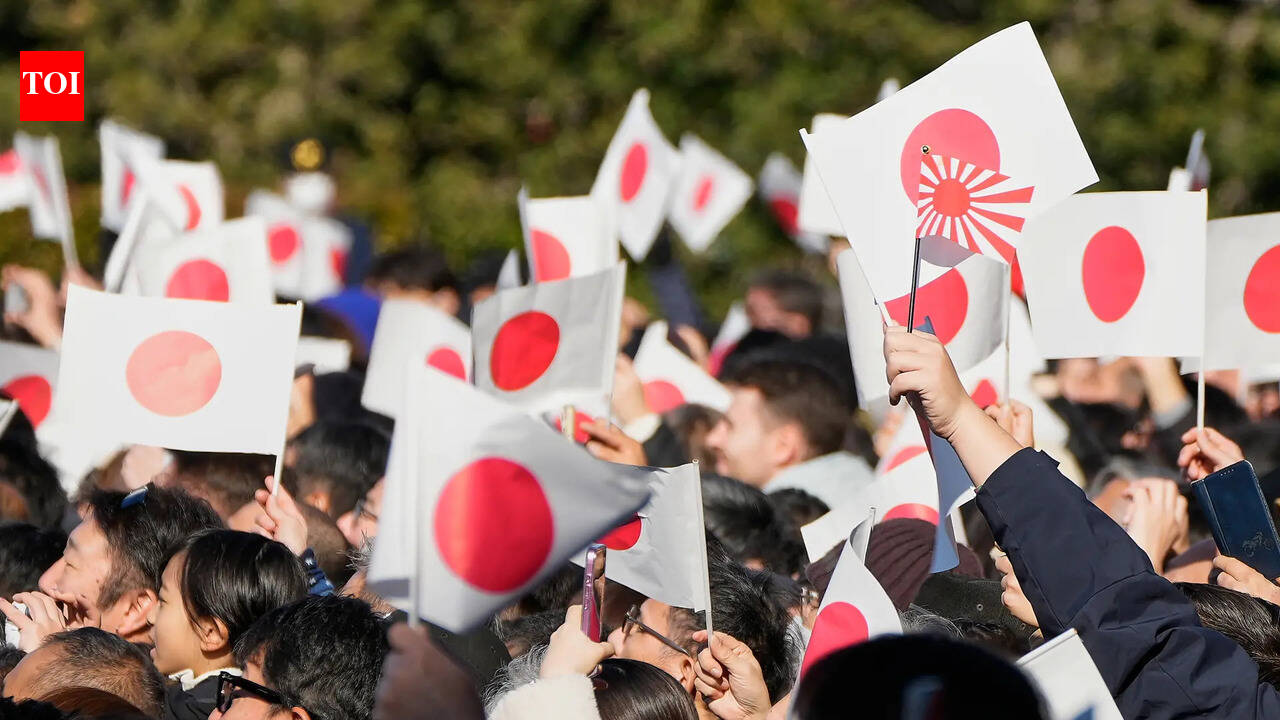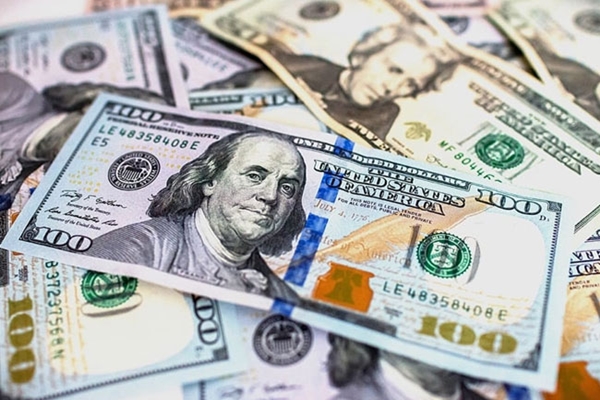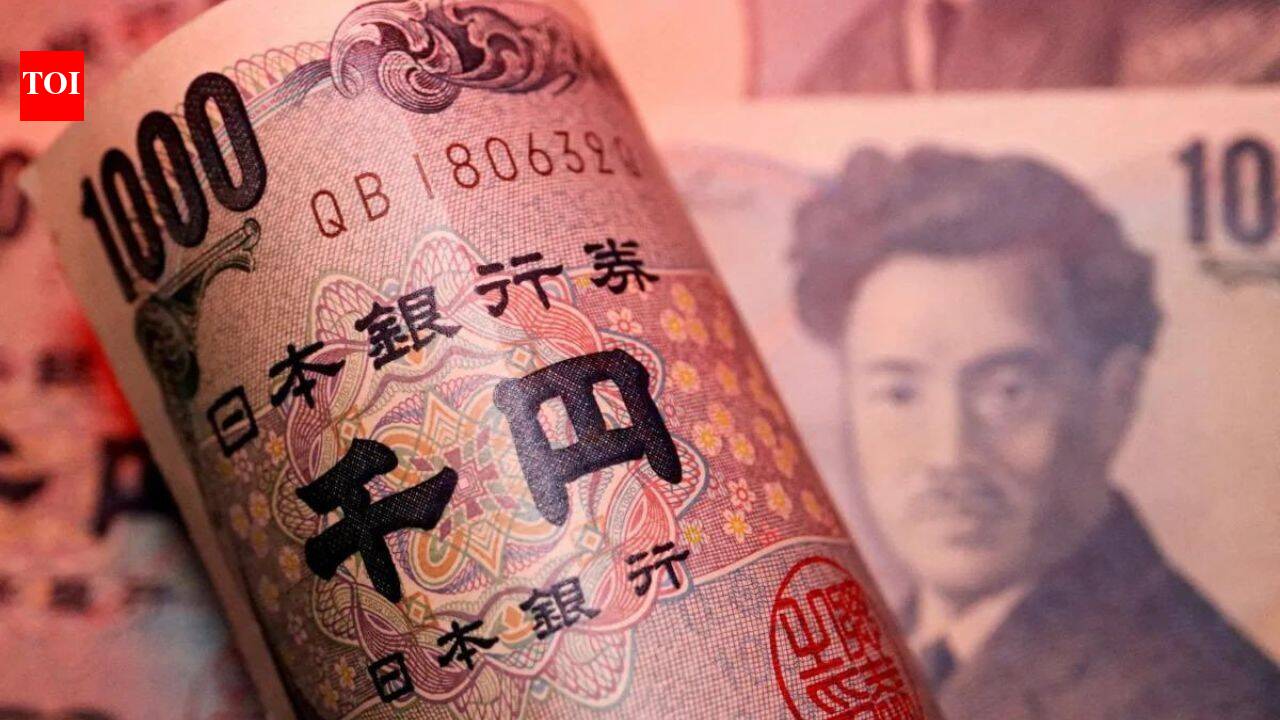
The US has taken the extraordinary step of helping Japan pull the yen back from a four-decade low, according to Business Today, signalling that Washington views the currency's collapse as more than Tokyo's economic problem. The joint intervention drove the yen from nearly 164 against the dollar last month to around 155.20 on Monday before it settled near 157. Japan may have spent as much as $36.58 billion buying yen during Friday's operation, according to central bank data cited by Reuters, and the US Treasury reportedly sold euros — not dollars — to purchase yen.
The operation comes with Japanese interest rates well below those of its peers, according to Business Today, and marks an explicit acknowledgement that the yen's collapse had become a shared problem.
A rare coordinated operation
According to Business Today, this was the first coordinated US-Japan currency intervention since the aftermath of Japan's devastating earthquake and tsunami in 2011, and the first joint attempt in almost three decades to strengthen, rather than weaken, the yen. The dollar had climbed above 163 yen — its strongest level in about 40 years — before suspicions of official intervention pushed it below 160 late last week. After both governments acknowledged the operation, the dollar briefly fell to nearly 155.20 yen, a dramatic correction in a market where daily movements are generally measured in fractions.
The public acknowledgment itself was unusual, the report noted, because currency interventions are often kept deliberately opaque so traders remain uncertain about them.
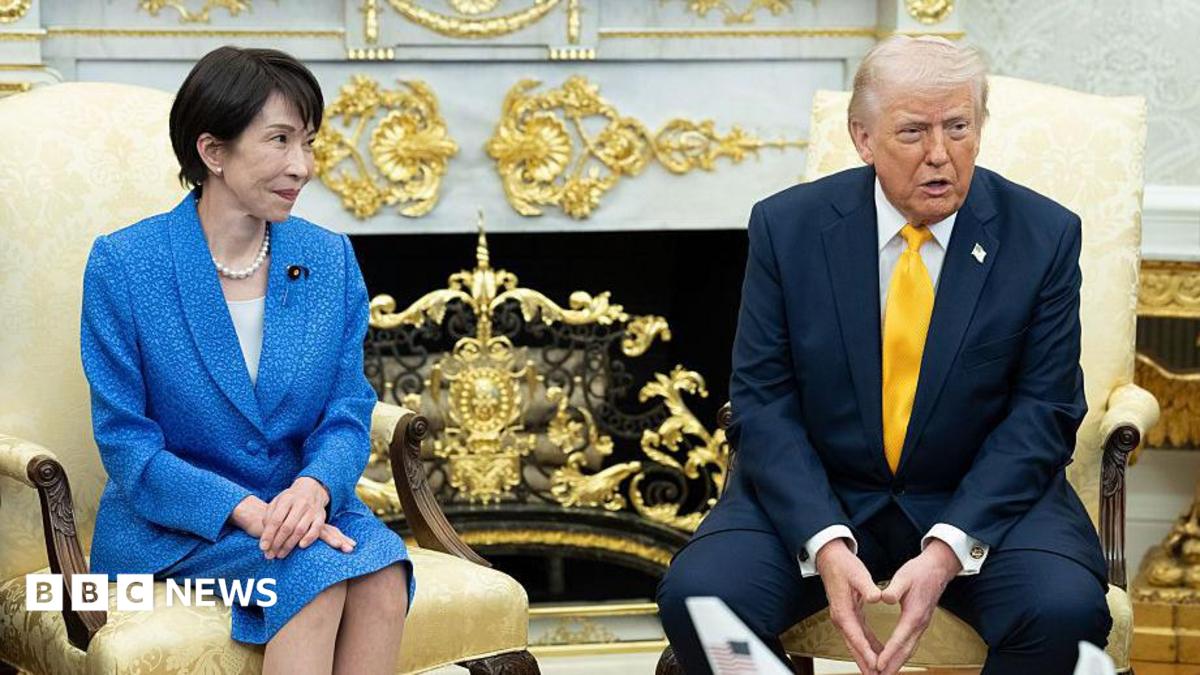
Japanese Finance Minister Satsuki Katayama confirmed that Tokyo had bought yen in coordination with the US Treasury Department.
"We will not hesitate to conduct further joint intervention."
President Donald Trump described the decision as help for an important ally: "We have a good relationship with Japan. We're very strong — very, very strong financially and they are, you know, they have a weakening yen, and they wanted a little bit of help, and we're always there for Japan. Japan's been very good to us, with the exception, of course, of Pearl Harbor." Trump said the US received a "financial benefit" from the operation and called it a "signal of friendship," adding, "It's also good for the world economy."
Why Washington stepped in
The operation may have been presented as assistance to a trusted ally, Business Today reported, but Washington is also protecting:
- US Treasury markets
- American exporters
- The wider Asian financial system
The most immediate US concern is not the exchange rate alone — it is what Japan might need to sell to defend it. Japan is the largest foreign holder of US government debt, owning more than $1.1 trillion in Treasuries. Its overall portfolio of US Treasuries, equities and other assets is close to $3 trillion, according to the New York Times as cited by Business Today, including nearly $1.2 trillion in American equities and more than $300 billion in corporate debt.
To buy yen, Tokyo ordinarily obtains dollars from its foreign-exchange reserves, which include huge holdings of US government bonds. If repeated intervention forced Japan to unload Treasuries on a large scale, bond prices could fall and yields could rise. That would translate into higher borrowing costs for the US government at a time when long-term Treasury yields are already under pressure from inflation concerns. The New York Times noted that the 30-year Treasury yield recently reached its highest level since 2007.
"For Washington, supporting the yen is relatively low-cost insurance," Moody's Analytics economist John Bromhead wrote in a note cited by the New York Times.
The Federal Reserve's standing repo facility for foreign monetary authorities provides another line of defence, the report said: Japan can temporarily exchange Treasury securities for dollars instead of selling those bonds outright.
Currency levels and official holdings at a glance
| Indicator | Reading | Source |
|---|---|---|
| Dollar/yen before intervention | Nearly 164 per dollar | Business Today / market data |
| Dollar/yen after joint acknowledgement | ~155.20, settled near 157 | Business Today |
| Japan's reported one-day intervention spend | Up to $36.58 billion | Central bank data cited by Reuters |
| Japan's US Treasury holdings | Over $1.1 trillion | Business Today |
| Japan's total US portfolio | ~$3 trillion | New York Times |
| 30-year Treasury yield | Highest since 2007 | New York Times |
What it means for treasurers and trade finance
For finance executives tracking FX exposure, the scale and speed of the move matter. A currency swing from nearly 164 to around 155.20 before settling near 157 materially changes the value of unhedged yen-denominated receivables and payables, according to Business Today's data. The report also spelled out a cost-of-capital channel: if Japan were forced to sell Treasuries on a large scale, rising US yields would translate into higher borrowing costs — a risk that matters for every business funding dollar-denominated trade and working capital.
The joint operation, according to Business Today, underscores that yen policy is now a coordinated US-Japan matter, with both governments publicly committed to further action if needed. Katayama's warning — that Tokyo "will not hesitate" to conduct further joint intervention — signals that sudden official moves could recur, keeping one-way bets on a weaker yen risky for corporate treasury desks and trade-finance providers holding yen positions.
Sources: