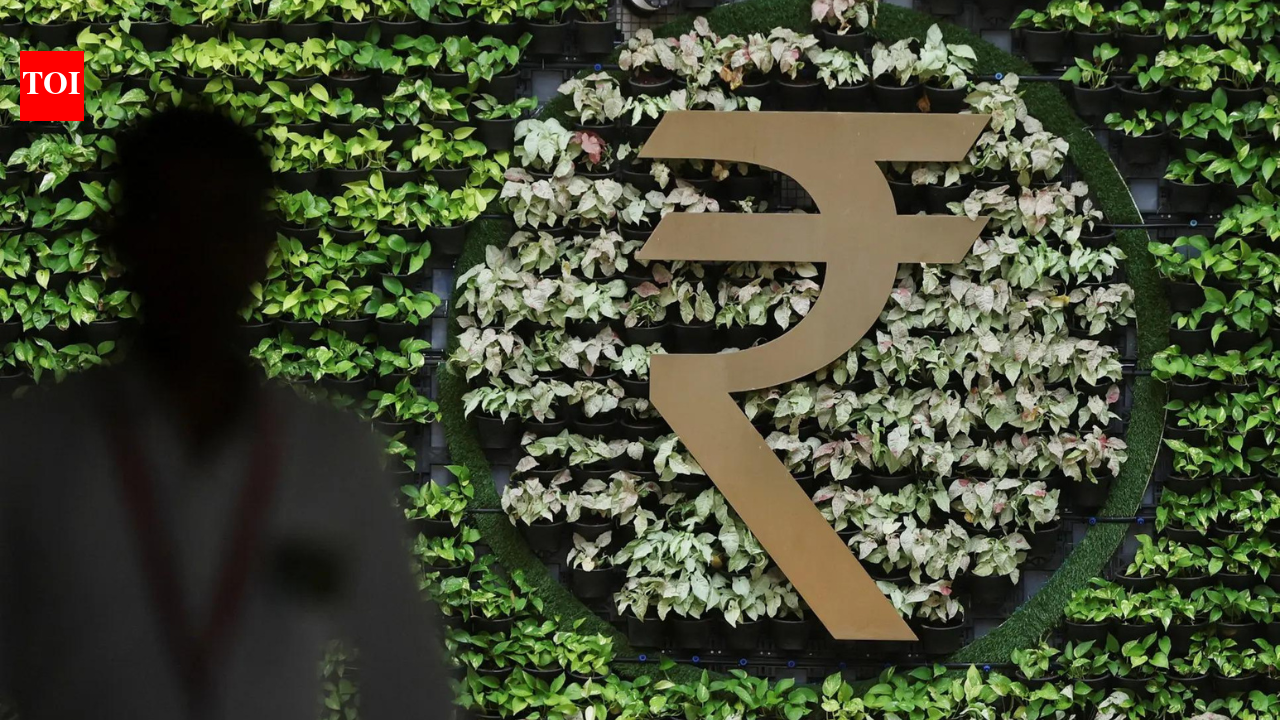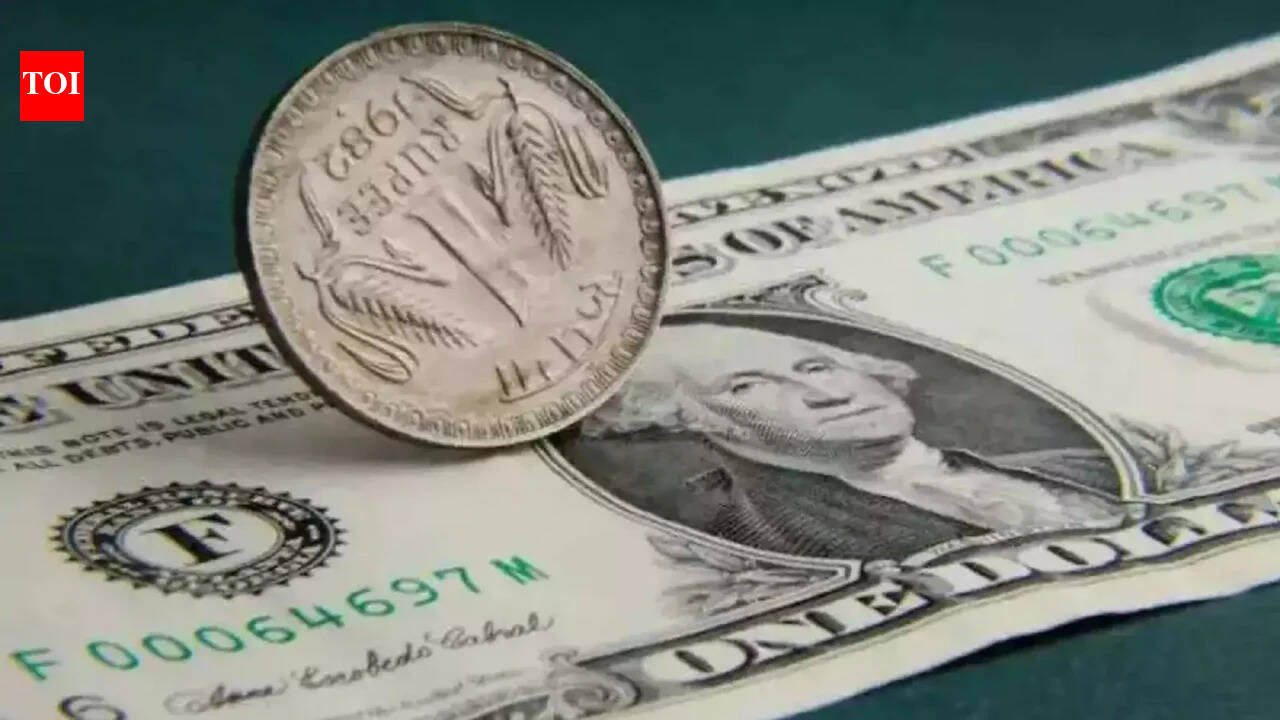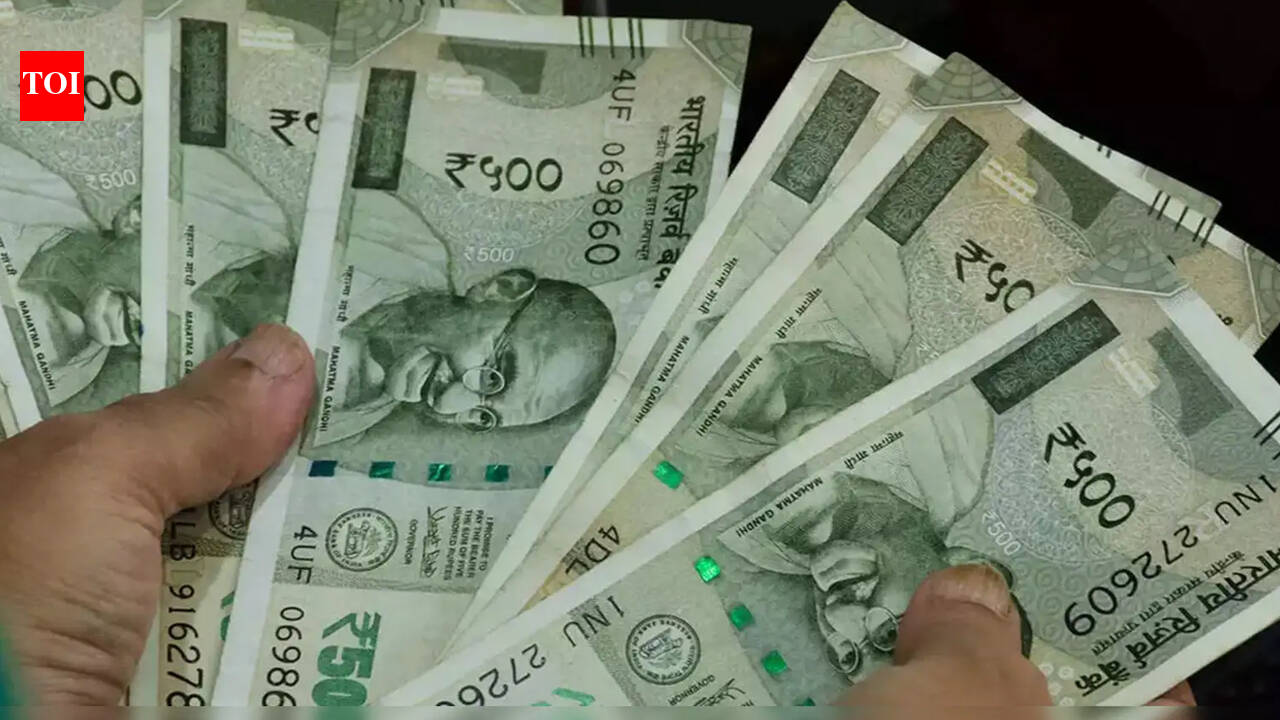
The Indian rupee opened at 96.49 against the US dollar on Thursday, rising 0.1% from the previous close of 96.56, which was its weakest level in more than two months, according to the Times of India. The modest recovery came as the rupee continued to face pressure from rising crude oil prices.
Currency Market Dynamics
Traders expect the rupee to remain under strain through the day, moving in the 96.50-96.70 range, according to the report. Intervention by the Reserve Bank of India (RBI) is expected to limit sharper losses. A currency trader at a private sector bank told Reuters: "It is difficult to see any meaningful relief for rupee if oil prices keep moving higher like this." The trader added: "In fact, considering the current news flow, the risk of Brent crossing the $100 mark and moving higher is increasing."
Oil Price Pressure and Geopolitical Tensions
The rupee has remained under pressure since fresh tensions flared between the US and Iran, triggering another rally in crude oil prices. Although recent RBI measures attracted foreign inflows and cushioned the currency, traders said those gains are increasingly offset by continued oil price rises. Brent crude has climbed above $96 a barrel, its highest level in six weeks, after the US carried out strikes on Iran-linked assets and Yemen's Houthis, including attacks near key shipping lanes in the Red Sea. The Houthis have threatened vessels carrying Saudi crude. ING said in a note that, given renewed risks to shipments through the Persian Gulf and the threat to Saudi crude exports via the Red Sea, Brent prices at current levels may still be undervalued.
RBI's Forex Intervention and Forward Position
Fresh data released by the RBI on Wednesday showed the central bank was a net seller of $6.1 billion in the foreign exchange market in May, when the rupee came under heavy pressure from the surge in oil prices, per the report. The RBI bought $22.2 billion and sold $28.3 billion during the month, compared with net dollar sales of $8.9 billion in April. Back in May, the rupee touched a record low of 96.96 per dollar before recovering on the back of sustained RBI intervention and measures designed to boost dollar inflows, including tax cuts on foreign debt investments and incentives for overseas foreign currency deposits.
The RBI's net outstanding forward dollar sales rose to a record $106.6 billion at the end of May from $95.3 billion a month earlier. Its gold holdings remained unchanged at 880.52 metric tonnes since May 22.
Capital Flows and Reserve Adequacy
The central bank also said foreign investors were net sellers in Indian equities until June, but sentiment improved after measures to support the rupee were announced, according to the bulletin. Bond markets attracted foreign inflows in June, which have continued into July. Equity markets have also recorded inflows this month. India's foreign exchange reserves remain sufficient to cover 10 months of imports.
Equity Market Impact
Dalal Street opened on a weak note, with benchmark indices falling nearly 0.5% in early trade. The BSE Sensex was trading at 76,520.58, down 234.47 points or 0.31%, while the NSE Nifty50 slipped below the 24,000 mark.
Trade Finance and Corporate Implications
For CFOs, treasury directors, and trade finance professionals, the rupee's limited recovery amid surging oil prices has direct implications. Importers, especially those in the energy sector, face higher costs as Brent crude stays above $96, potentially widening the trade deficit. The RBI's aggressive intervention—net selling $6.1 billion in May and increasing forward dollar sales to a record $106.6 billion—signals that hedging costs for rupee-denominated exposures may remain elevated. The central bank's measures to attract foreign inflows, including tax cuts on foreign debt investments, provide a cushion, but the sustained pressure from oil prices suggests that volatility will persist. Treasury teams should monitor the 96.50-96.70 range and prepare for potential breach of 97 as geopolitical risks escalate.
Sources: