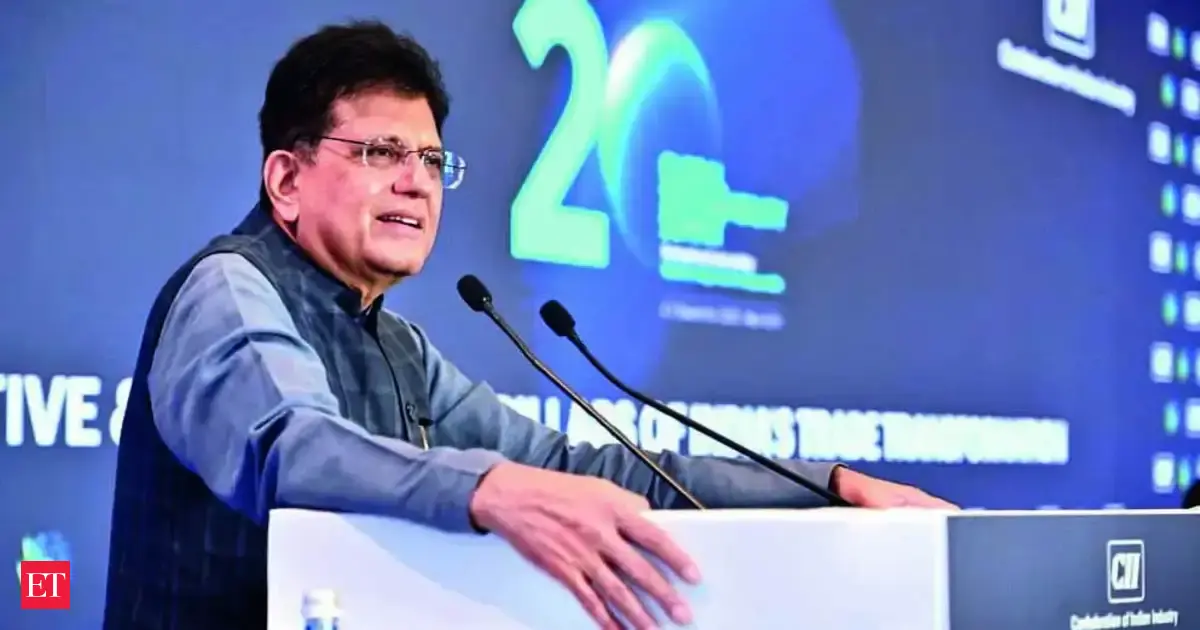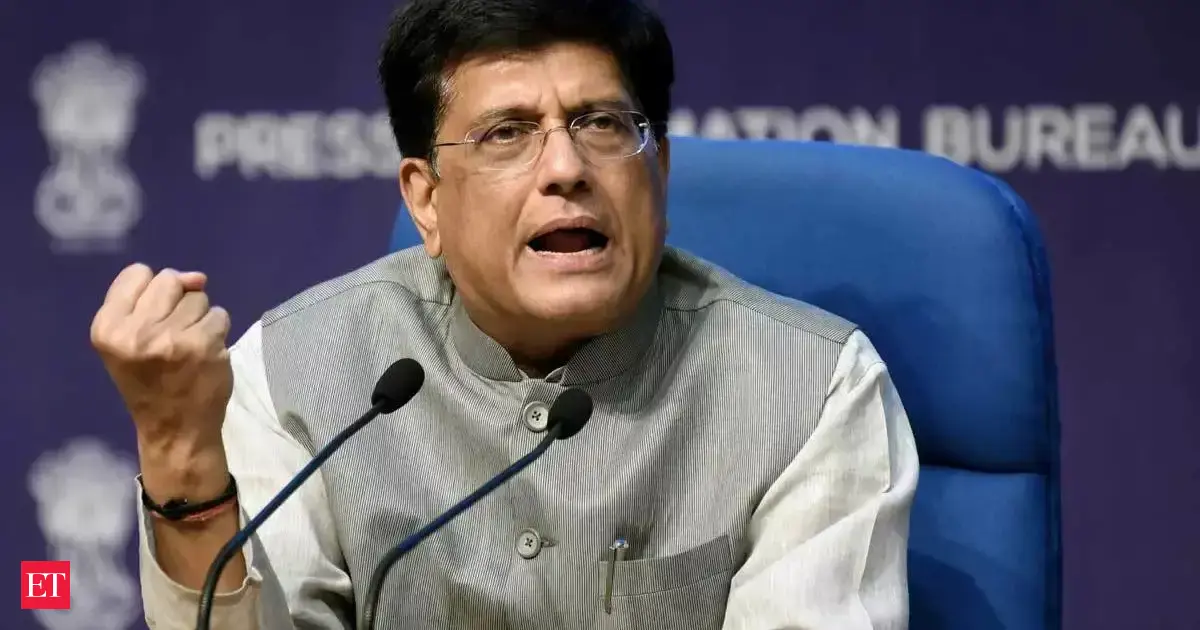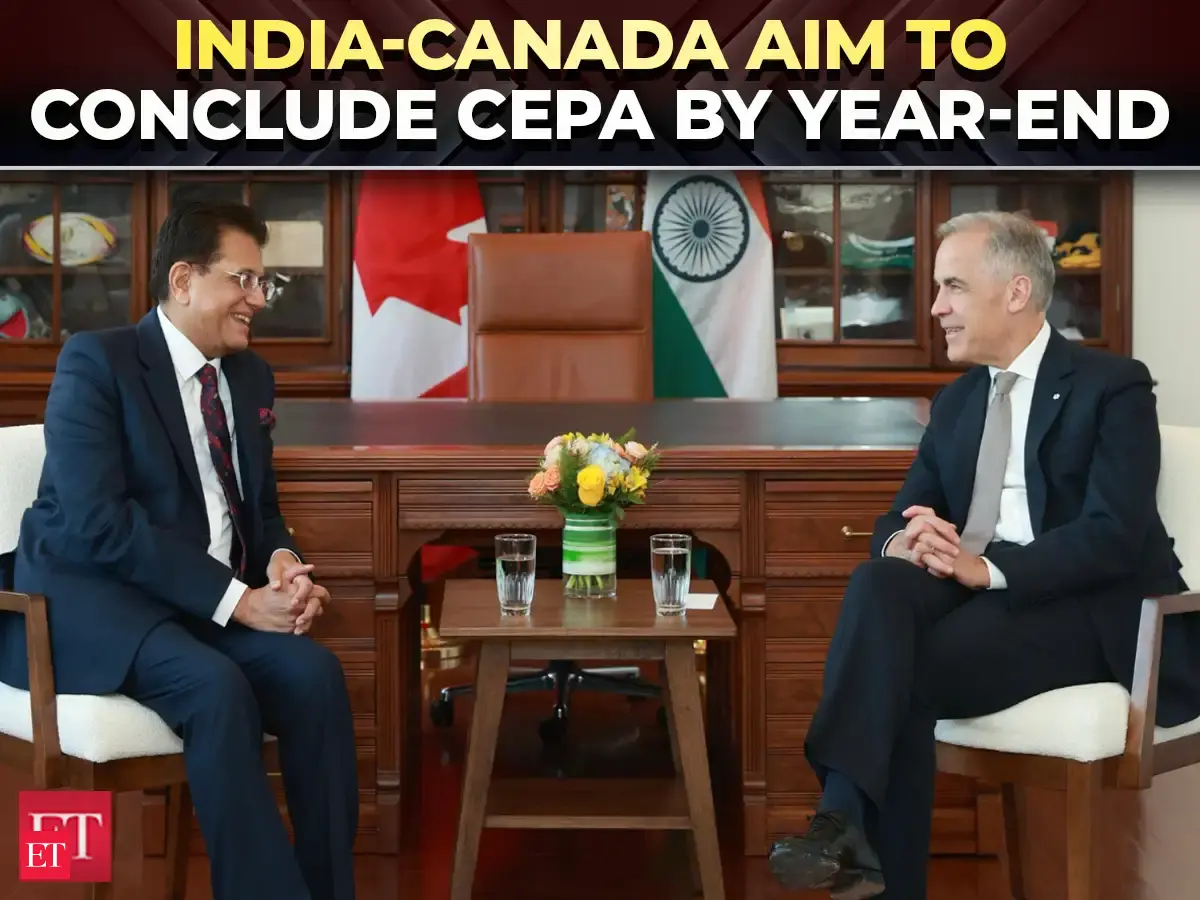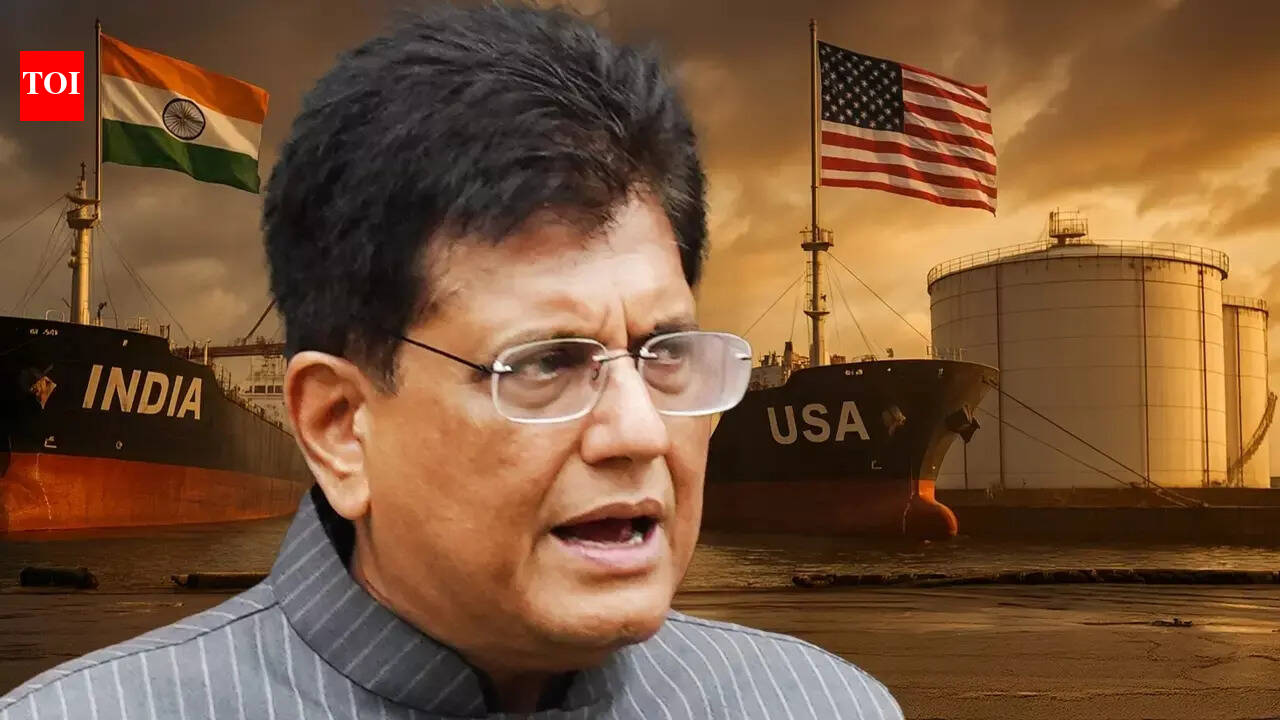
India and the United States are on the brink of finalizing the first phase of their bilateral trade agreement, with implementation expected by mid-next month. Piyush Goyal, India's Commerce Minister, announced this development, highlighting the preferential access it would grant India over its competitors.
Progress in Negotiations
Officials from the United States were in New Delhi from June 2 to June 4 to advance discussions. Goyal mentioned that both sides are rapidly resolving outstanding issues, with another senior-level delegation expected to visit India later this month.
"We are fast moving towards closing all the open ends," Goyal stated, indicating a vibrant first tranche of the agreement.
Section 301 Tariffs
The announcement comes amid the backdrop of the US Trade Representative (USTR) proposing a 12.5% tariff on imports from 54 countries, including India and China. This proposal is based on allegations of inadequate prevention of goods produced using forced labor.
| Country | Proposed Tariff (%) | Allegation Basis |
|---|---|---|
| India | 12.5 | Forced labor |
| China | 12.5 | Forced labor |
Ongoing Engagement
The Ministry of Commerce and Industry in India is actively engaging with the US on issues related to the Section 301 proceedings. Discussions are also progressing on the proposed framework agreement announced earlier this year.
Future Implications
The first phase of the trade deal is expected to enhance bilateral trade relations, providing India with a competitive edge. However, the ongoing Section 301 investigations could influence future tariff regimes.
The Indian government and industry representatives have rejected the allegations, arguing that the concerns are governed by internationally accepted rules.
Conclusion
As India and the US move closer to finalizing the first phase of their trade agreement, the focus remains on resolving outstanding issues and navigating the complexities of international trade regulations.