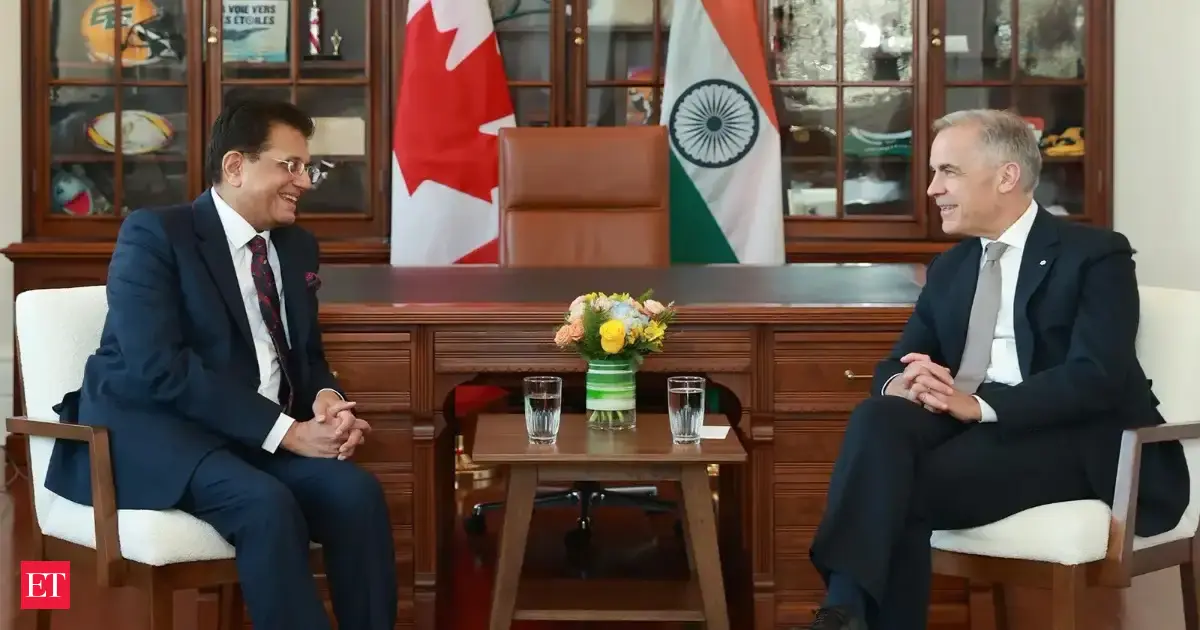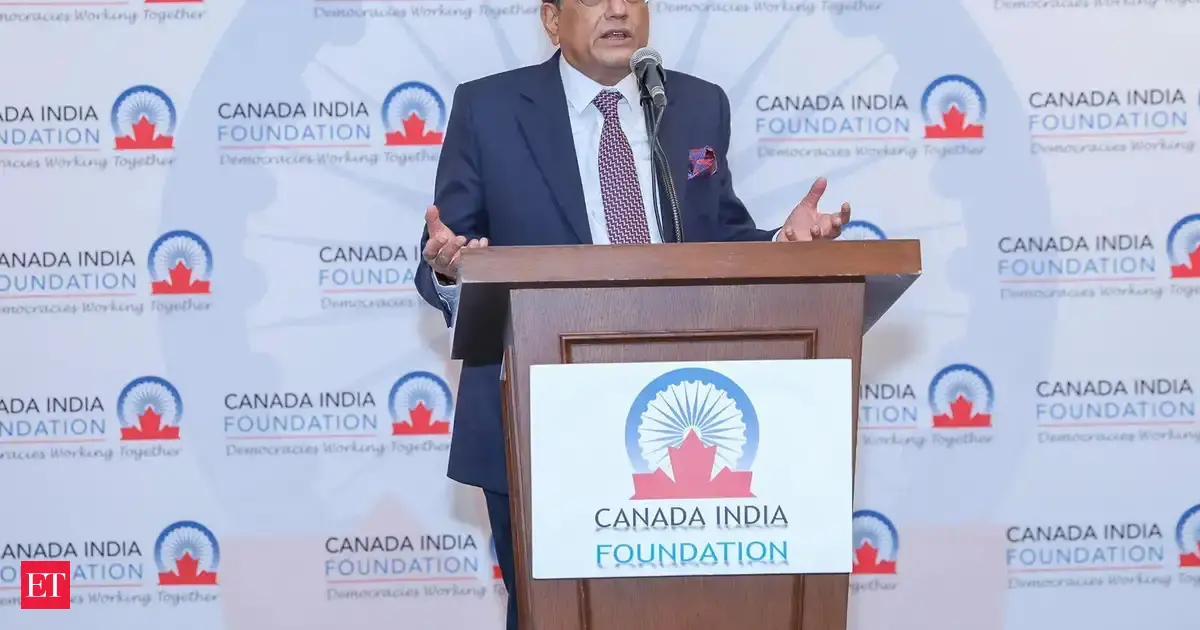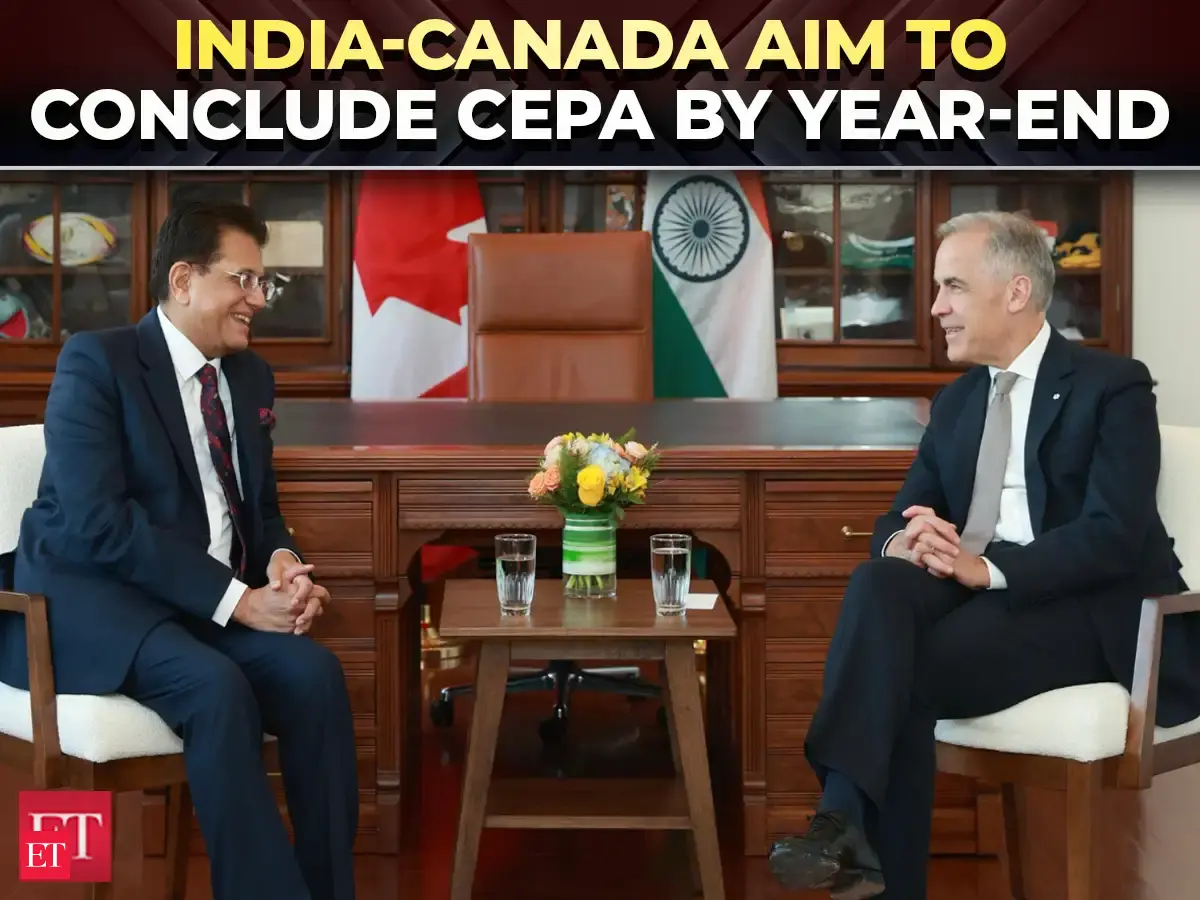
India and Canada are on track to finalize the Comprehensive Economic Partnership Agreement (CEPA) by the end of 2023. This ambitious move aims to significantly enhance bilateral trade, with a target to triple current trade volumes by 2030. Piyush Goyal, India's Commerce Minister, emphasized the importance of this agreement during his recent visit to Canada.
Strategic Trade Goals
The CEPA is expected to lower tariffs and reduce trade barriers, fostering a more robust economic relationship between the two nations. Canada and India have been working closely to ensure that the agreement addresses key sectors such as technology, agriculture, and manufacturing.
- Tariff Reductions: The agreement will likely include significant tariff reductions on a range of goods.
- Market Access: Enhanced market access for both countries' exporters is a primary goal.
- Investment Opportunities: The CEPA is expected to open new avenues for investment in both countries.
Economic Impact
According to the World Trade Organization (WTO), the current trade volume between India and Canada stands at approximately USD 6 billion. The CEPA aims to increase this figure to USD 18 billion by 2030.
| Year | Trade Volume (USD Billion) |
|---|---|
| 2023 | 6 |
| 2030 (Target) | 18 |
"The CEPA will be a game-changer for India-Canada trade relations," said Piyush Goyal.
Implementation Timeline
The agreement is set to be finalized by December 2023, with implementation expected to begin in early 2024. Both countries are committed to ensuring a smooth transition and effective enforcement of the new trade policies.
Regulatory Oversight
The World Trade Organization (WTO) and respective customs authorities in India and Canada will oversee the implementation and compliance of the CEPA. This oversight will ensure that both countries adhere to the agreed terms and conditions.
The successful conclusion of the CEPA will mark a significant milestone in India-Canada relations, promising economic growth and increased cooperation in various sectors.