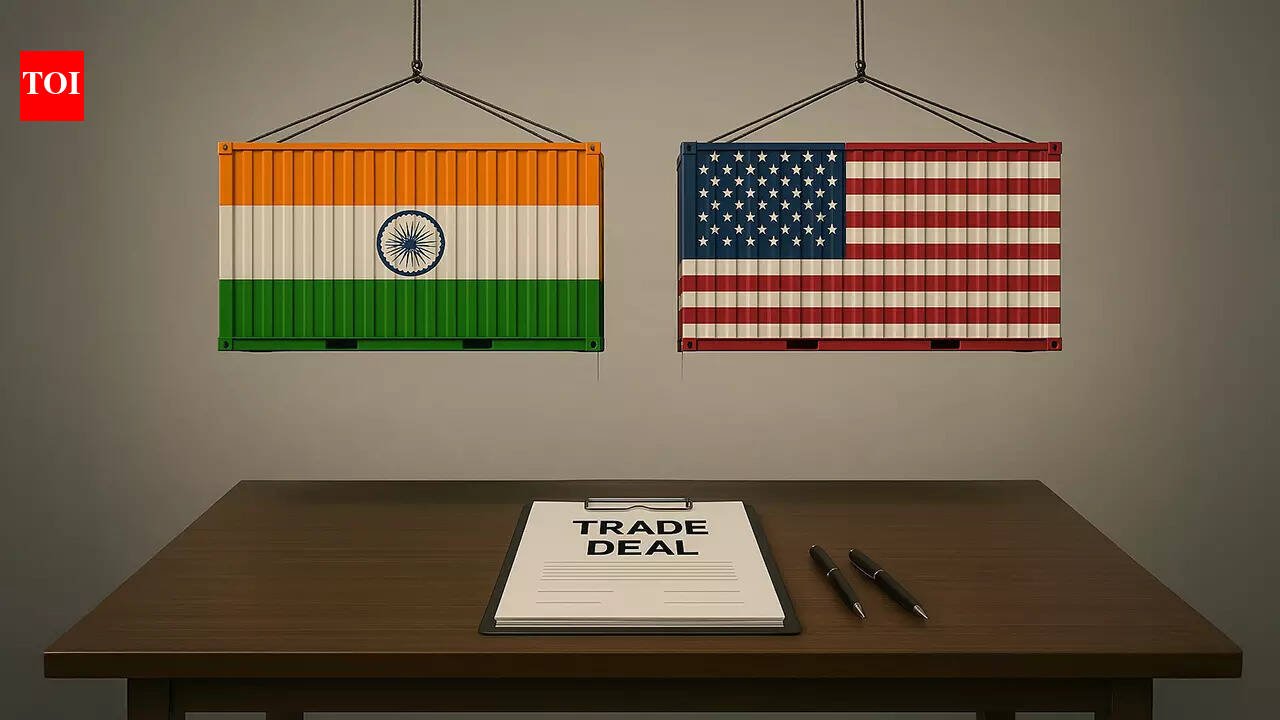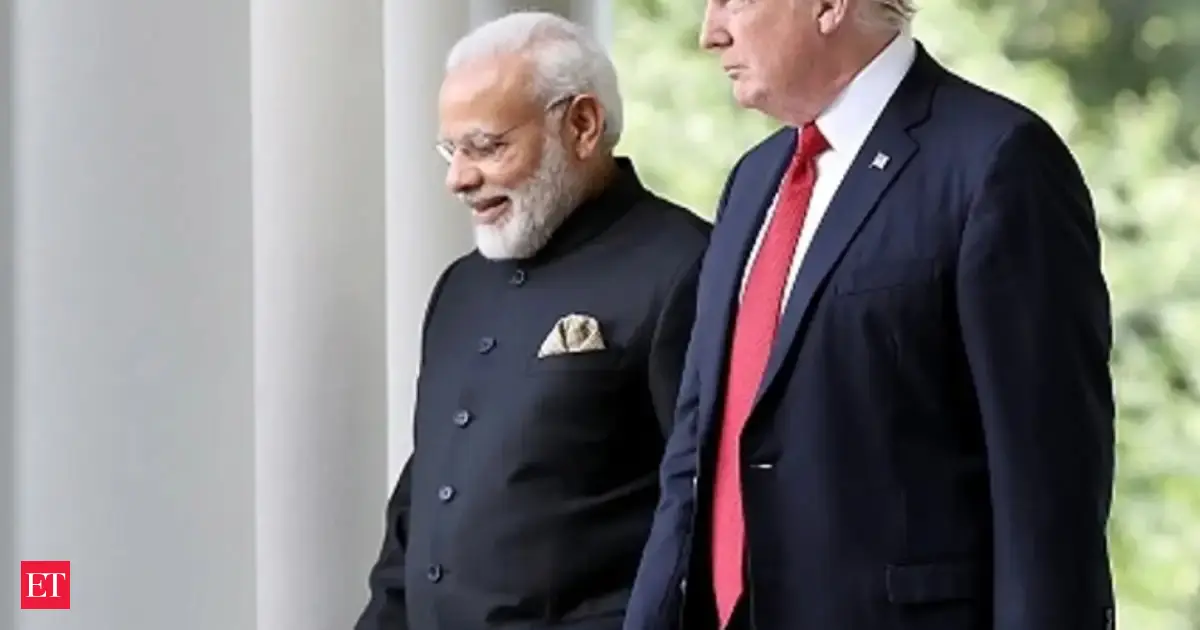
India and the United States are poised to advance their trade negotiations in New Delhi, with a US delegation visiting from June 1-4, 2026. The discussions aim to finalize an interim trade pact that could significantly impact bilateral trade relations.
Key Objectives of the Trade Talks
The Ministry of Commerce and Industry of India, led by Piyush Goyal, has outlined several key objectives for the upcoming talks:
- Finalizing the details of the Interim Agreement
- Addressing market access and customs facilitation
- Reducing non-tariff barriers
- Promoting investment and economic security cooperation
The US delegation, led by the Chief Negotiator, will engage in extensive consultations with Indian officials to address these strategic trade issues.
Tariff Reductions and Trade Barriers
A significant part of the negotiations involves mutual reduction of trade barriers. The US has agreed to lower its proposed reciprocal tariff rate on Indian goods from an initial 50% to 18%. In return, India will eliminate or reduce import duties on US industrial goods and a broad spectrum of American agricultural products.
| Tariff Rate | Initial Proposal | Revised Rate |
|---|---|---|
| US Tariffs | 50% | 18% |
Future Trade Expansion
India has announced its intention to expand trade with the US to $500 billion over the next five years. This ambitious goal underscores the importance of the current negotiations in shaping the future economic relationship between the two countries.
"We've made tremendous progress, and I think we're going to wind up with a trade agreement between the US and India that is going to be enduring and beneficial to both sides," said Rubio during a joint media briefing in New Delhi.
Strategic Implications
The trade talks are part of a broader strategy by the US to recalibrate global trade relationships. Rubio emphasized that these efforts are not targeted at India specifically but are aimed at addressing long-standing trade imbalances with several countries, including close allies like the European Union.
The outcome of these negotiations could set a precedent for future trade agreements and influence global trade dynamics significantly.