iGEN
Visit IGEN World Explore IGEN Expo
EXPLORE UPGRADE PLANS
BREAKING
Home ›› Intl Trade ›› Import Export ›› Country Of Origin ›› India, UK Working to Resolve Outstanding Issues for Trade Pact Implementation

India, UK Working to Resolve Outstanding Issues for Trade Pact Implementation

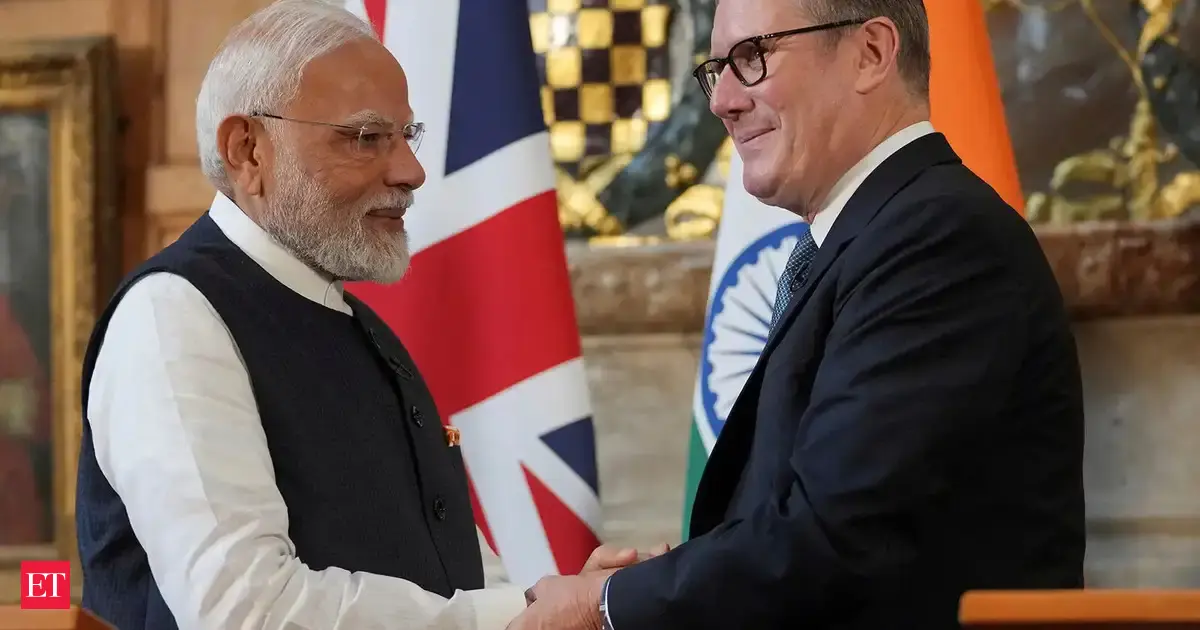
Commerce Secretary Rajesh Agrawal confirmed that an Indian team is in London to resolve outstanding issues after the India-UK Comprehensive Economic and Trade Agreement (CETA) was signed on July 24, 2025. Key sticking points include UK steel safeguard measures and the Carbon Border Adjustment Mechanism (CBAM), which could impact Indian exports worth USD 775 million. Discussions with UK Secretary Peter Kyle are ongoing.

iG
iGEN Editorial
June 15, 2026
India, UK Working to Resolve Outstanding Issues for Trade Pact Implementation

India and the United Kingdom are working to resolve post-signing issues to operationalise their bilateral trade pact, according to Commerce Secretary Rajesh Agrawal. Speaking to reporters, Agrawal stated that the Indian team is already in London to take forward the discussions and "see that we are able to operationalise" the deal.

"There are certain issues which have come up after the deal has been signed. Those issues are under resolution," Agrawal told reporters. The Comprehensive Economic and Trade Agreement (CETA) was signed on July 24, 2025, but implementation has been delayed due to new trade measures introduced by the UK.

Steel Safeguard Measure

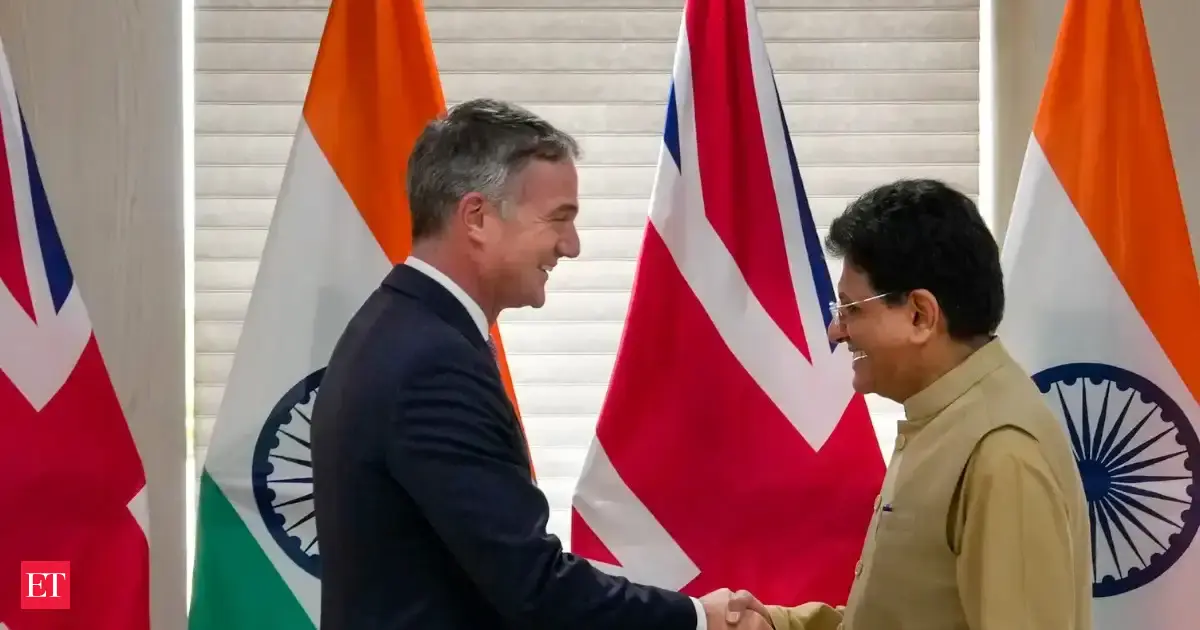
A major sticking point is the UK steel safeguard measure, which reduces import quotas on steel products. Earlier, Britain had safeguard measures that imposed import quotas, but the new measures further reduce that quota. The measure will apply to imports of steel products that can also be made in the UK. UK Secretary of State for Business and Trade Peter Kyle held a meeting with Commerce and Industry Minister Piyush Goyal on these issues earlier this month.

Carbon Border Adjustment Mechanism (CBAM)

The UK has also decided to implement its Carbon Border Adjustment Mechanism (CBAM) starting in 2027, becoming the second economy after the European Union to do so. The UK calls it the import carbon pricing mechanism, initially focusing on sectors including iron, steel, aluminium, fertiliser, hydrogen, ceramics, glass, and cement. According to economic think tank GTRI, India's exports worth USD 775 million to the UK could be impacted by this carbon tax. The tax could range from 14-24 per cent of the import value on full phase-out of free allowances under the ETS (Emission Trading System).

Sector India's Exports to UK (2025-26) CBAM Coverage
Iron and steel & allied products USD 893.4 million Yes
Aluminium Not specified Yes
Fertiliser Not specified Yes
Cement Not specified Yes
Hydrogen Not specified Yes
Ceramics & glass Not specified Yes

India's exports of iron and steel and allied products to the UK stood at USD 893.4 million in 2025-26, according to data cited in the report.

EU Sanctions on Russia

Separately, on the issue of the European Commission's proposed sanctions package on Russia, which includes certain Indian entities, Agrawal said that India is engaged with the EU. "We are engaged, and we are looking at what best can be done. But as you recall, India normally recognises the UN sanctions," he added. As per reports, certain Indian firms are among 50 companies that could face fresh EU export-control restrictions under the bloc's proposed 21st sanctions package against Russia.

Implications for Trade Professionals

For importers and exporters, the resolution of these issues is critical to harnessing the benefits of CETA. The steel safeguard reduction may tighten access for Indian steel shipments, while the upcoming CBAM will require compliance and carbon accounting for affected products. Indian firms exporting iron, steel, aluminium, fertiliser, and cement to the UK must prepare for the carbon border levy from 2027. The EU sanctions issue adds another layer of compliance risk for Indian entities involved in trade with Russia.


Sources: Economic Times – Foreign Trade
Keep Reading

Recommended Stories

India, Israel Conclude Second Round of Free Trade Agreement Negotiations in New Delhi Trade

India, Israel Conclude Second Round of Free Trade Agreement Negotiations in New Delhi

The second round of negotiations for the India-Israel free trade agreement concluded in New Delhi from July 20-23, 2025. Officials discussed trade in goods and services, rules of origin, technical barriers, intellectual property rights, and customs procedures. Total bilateral merchandise trade was USD 3.93 billion in 2025-26, according to an official statement from India's Commerce Ministry.

July 24, 2026
India-UK Trade Pact Comes Into Force: Gold Standard FTA Brings Zero Duties on 99% of Indian Goods Trade

India-UK Trade Pact Comes Into Force: Gold Standard FTA Brings Zero Duties on 99% of Indian Goods

The India-UK Comprehensive Economic and Trade Agreement (CETA) and a Social Security Agreement came into force on July 15, 2026. The pact eliminates UK duties on 99% of Indian goods from Day One and includes provisions on government procurement, intellectual property, and social security contributions for Indian professionals. Both countries aim to boost bilateral trade to $100 billion by 2030.

July 15, 2026
India and Canada Agree to Conclude Free Trade Pact Negotiations by End of 2026 Trade

India and Canada Agree to Conclude Free Trade Pact Negotiations by End of 2026

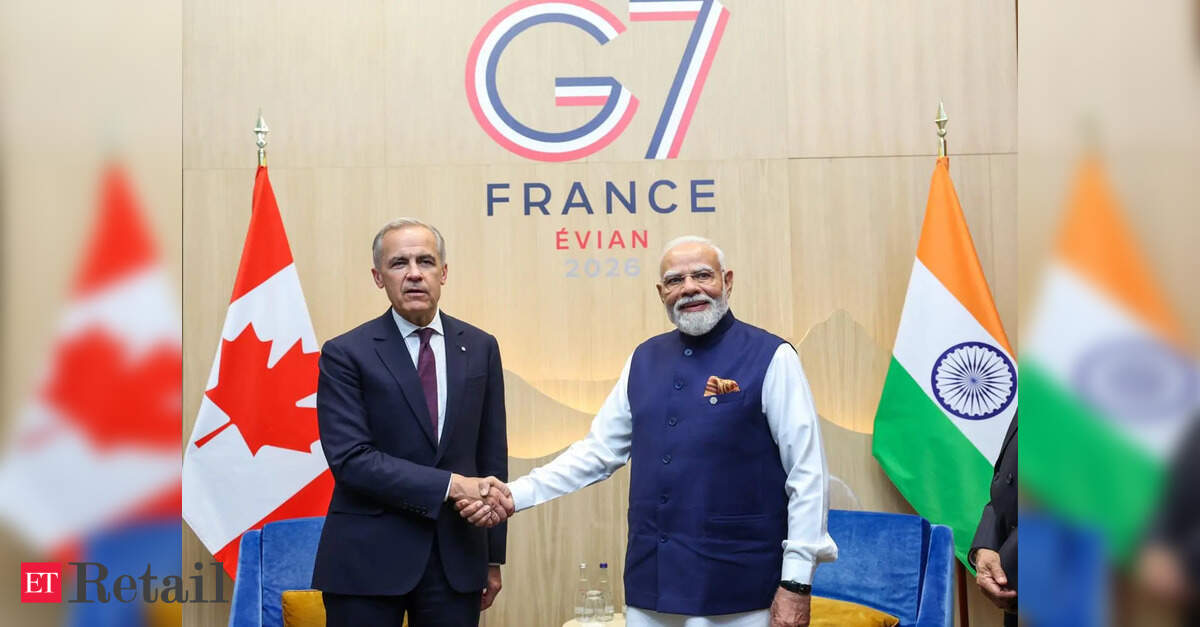
Indian Prime Minister Narendra Modi and Canadian Prime Minister Mark Carney met on the sidelines of the G7 Summit in Evian-les-Bains, France, and reaffirmed their shared objective of concluding negotiations for a Comprehensive Economic Partnership Agreement (CEPA) by the end of 2026. The two leaders also agreed to launch talks on a General Security of Information Agreement to deepen defence cooperation. The meeting builds on positive momentum following Carney's visit to India in March 2026.

June 17, 2026
India, UK work to resolve issues holding up trade pact implementation, says official Trade

India, UK work to resolve issues holding up trade pact implementation, says official

India and the UK are working to resolve outstanding issues that have delayed the implementation of their free trade agreement, including UK steel safeguard measures and its proposed Carbon Border Adjustment Mechanism (CBAM). Commerce Secretary Rajesh Agrawal said an Indian team is in London to operationalise the pact signed in July 2025. The UK will cut tariff-free steel quota volumes by 60% from July 1, 2026, and impose a 50% tariff on imports above the quota.

June 15, 2026