The India-UK Comprehensive Economic and Trade Agreement (CETA) and the Double Contribution Convention (DCC) will come into effect on July 15, 2026, according to Commerce and Industry minister Piyush Goyal, who described the pact as India's "most comprehensive" trade deal to date.
Tariff Elimination on Indian Exports
The CETA provides zero-duty access on approximately 99 per cent of India's exports to the UK, covering nearly all of the trade basket, as reported by the Times of India. Tariffs of up to 70 per cent on processed food products, up to 21.5 per cent on marine products, up to 18 per cent on engineering goods and auto components, and up to 12 per cent on textiles and clothing will be eliminated. The agreement is expected to provide an additional tariff advantage of 7-10 per cent to Indian exporters, bringing India at par with several other countries that already enjoy zero-duty access to the UK market. It opens up a market worth over USD 500 billion for Indian businesses.
Whisky and Spirits Tariff Reductions
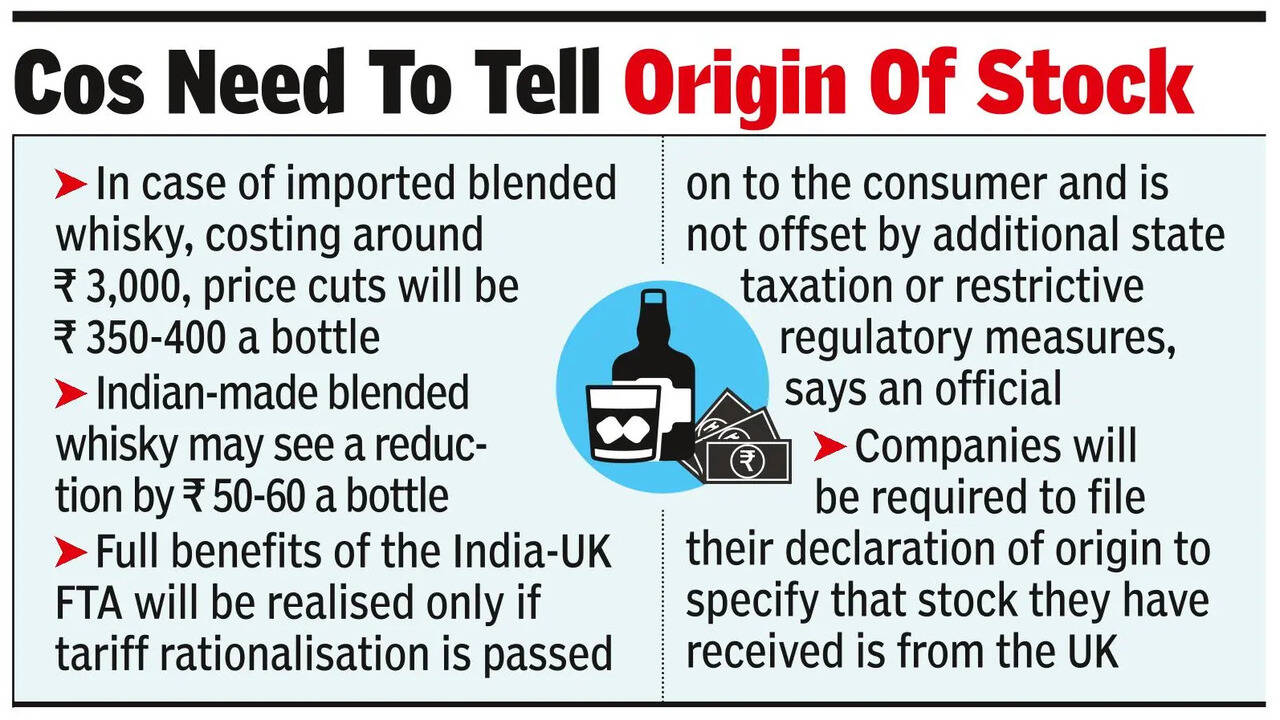
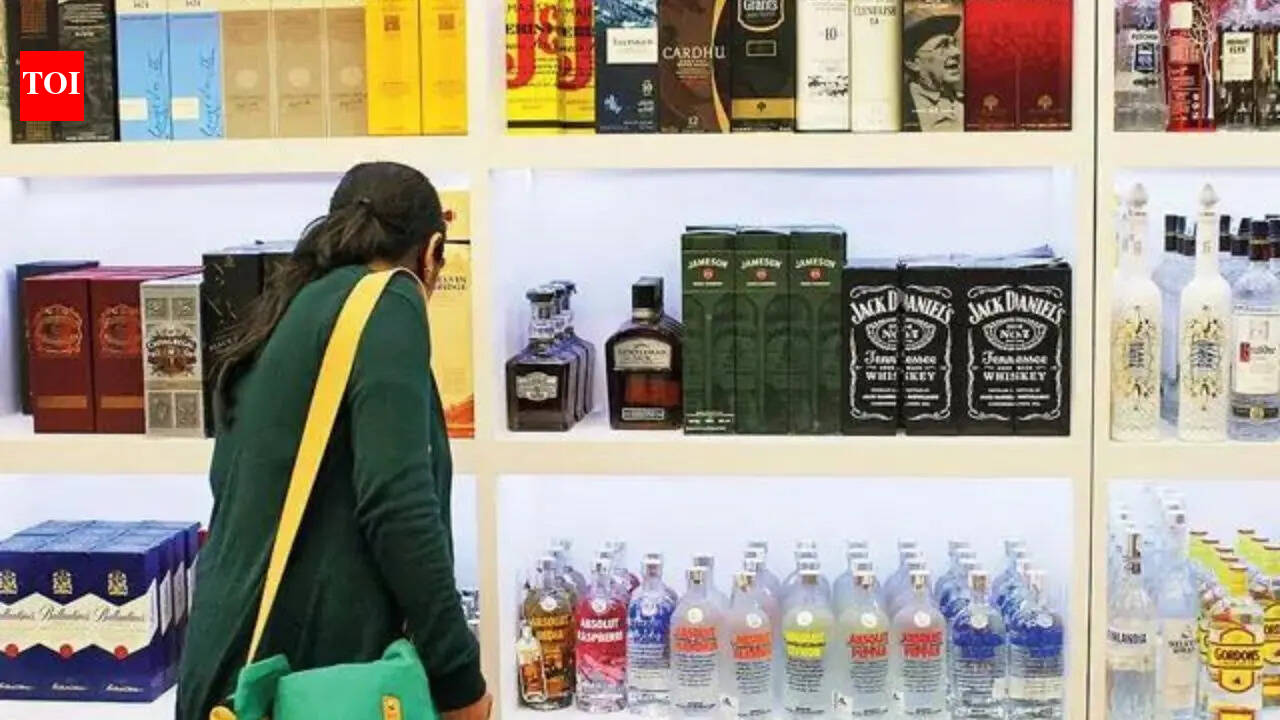
The agreement will significantly reduce import duties on UK whisky and gin. Tariffs will fall from 150 per cent to 75 per cent initially and further to 40 per cent by the tenth year of the pact. Nearly 79 per cent of Scotch imported into India is used by domestic manufacturers for blending and bottling operations. The Confederation of Indian Alcoholic Beverage Companies said the gradual reduction would provide domestic manufacturers time to adapt, but called for a review of state-level excise and taxation policies.
| Product | Current Tariff | Initial Reduction (Year 1) | Final Tariff (Year 10) |
|---|---|---|---|
| Scotch whisky & gin | 150% | 75% | 40% |
Automotive Sector Commitments
India will permit phased imports of up to 3.78 lakh conventional-engine passenger vehicles from the UK over a 15-year period under a quota system. In the first year, 20,000 passenger vehicles across different engine categories will be allowed at reduced duty rates, with the annual quota rising to 37,000 units by the fifth year. Import duties in select categories will decline from about 110 per cent to 10 per cent over the implementation period. The agreement also provides limited access for electric, hybrid and hydrogen-powered vehicles from the sixth year onward, subject to price bands and quota ceilings. India has kept vehicles priced below GBP 40,000 outside the concessions framework, shielding the domestic mass-market EV segment.
Services and Institutional Framework
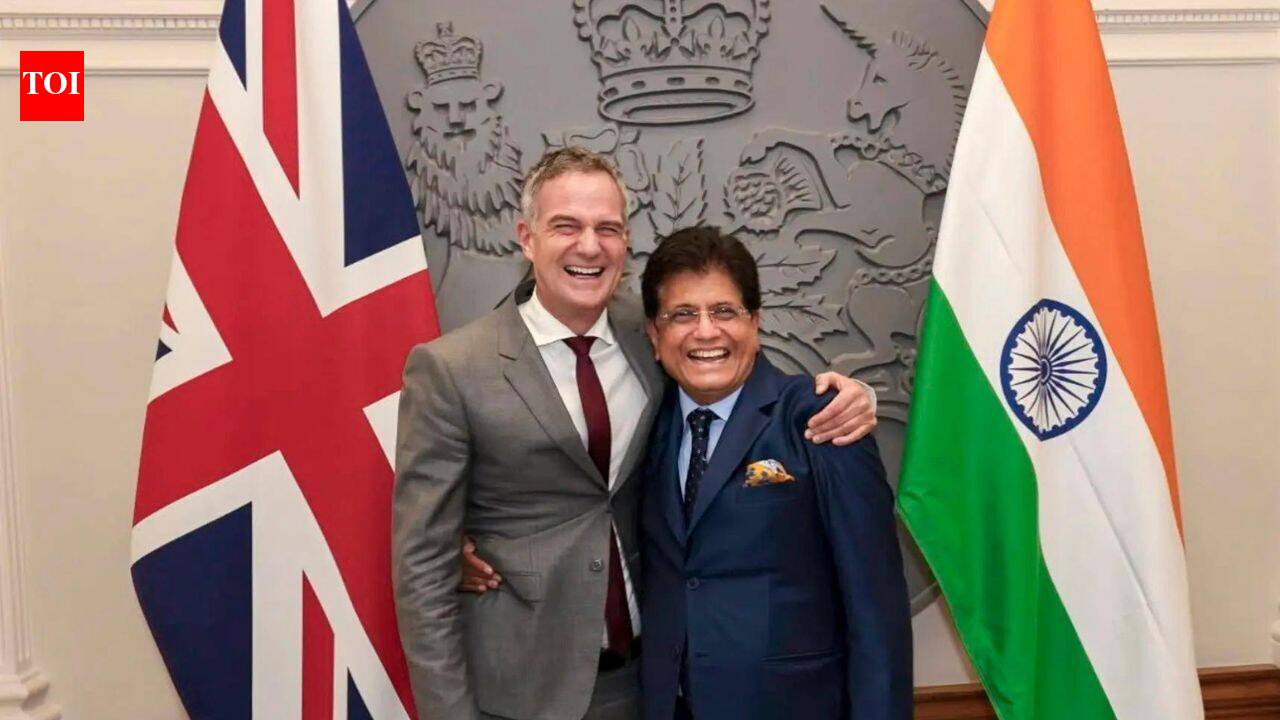
The UK has provided one of its most comprehensive services commitments ever, covering all major services sectors and 137 sub-sectors of export interest to India, including IT and IT-enabled services, financial services, professional services, healthcare and education. Piyush Goyal, who is on a three-day visit to the UK to review preparedness for implementation, received the India Global Forum's UK-India Award for "Exceptional Leadership in Elevating UK-India Ties" at a ceremony in London. He was joined on stage by his UK counterpart, Peter Kyle, Secretary of State for Business and Trade.
"I have absolutely no doubt in my mind that this will be a success, and this CETA will become a template, and will be a role model for many other free trade agreements in the future," Goyal said. British High Commissioner to India Lindy Cameron described the agreement as the cornerstone of the "Vision 2035" strategic partnership, adding that it will foster a more "confident" and expansive bilateral relationship. "This is a key part of our Vision 2035 strategic partnership between the UK and India. Getting the best economic growth for both of our countries and it's an amazing deal. This will be, I think, almost five billion pounds worth of benefit in GDP terms to both economies in the long run," Cameron said.
Steel Sector Safeguards
India's concerns regarding UK steel safeguard measures were noted in the agreement, though specific details were not elaborated in the source.
Implications for Importers and Exporters
The phased tariff reductions on whisky and auto components give domestic industries time to adjust while opening new opportunities for UK exporters. Indian exporters gain immediate zero-duty access to a USD 500 billion market, with a 7-10% tariff advantage. Customs brokers should prepare for the July 15 effective date and review rules of origin documentation.
Sources: