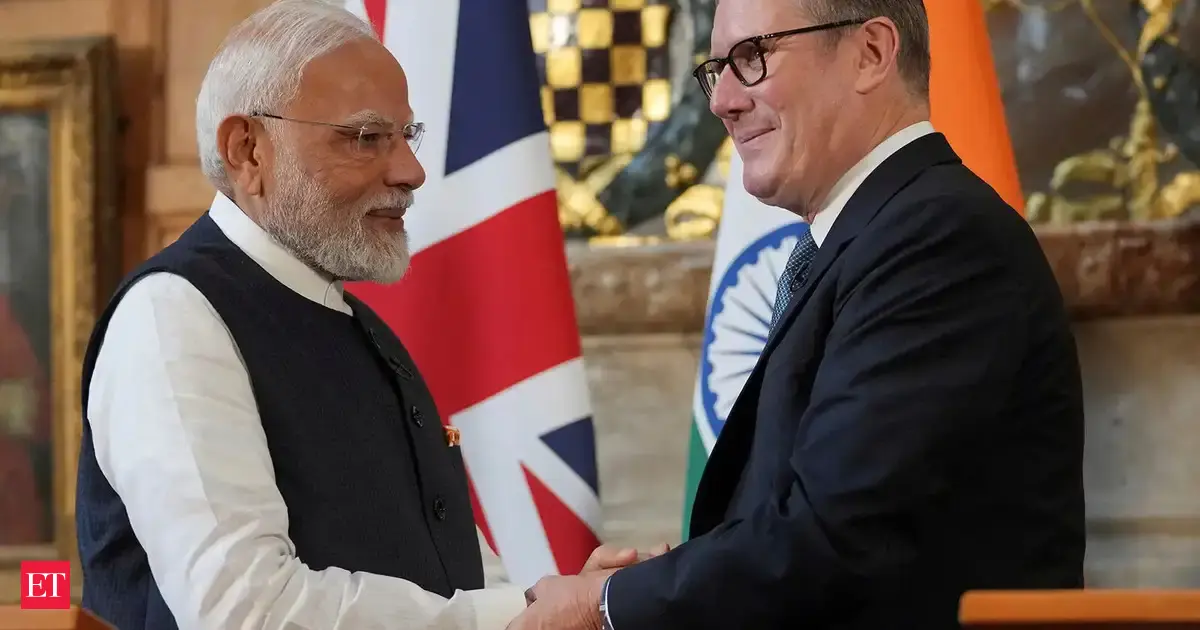
The UK-India Free Trade Agreement (FTA), effective from May 2026, marks a significant milestone in the trade relations between the United Kingdom and India. This agreement is designed to enhance bilateral trade by reducing tariffs and simplifying regulations, thereby fostering economic growth in both countries.
Key Features of the Agreement
- Tariff Reductions: The FTA includes significant tariff reductions on a range of goods, facilitating easier market access for exporters from both countries.
- Regulatory Simplification: The agreement aims to simplify regulations, making it easier for businesses to navigate the legal landscape.
- Mutual Recognition: Professional credentials and digital contracts will be mutually recognized, enhancing trust and cooperation.
Economic Impact
The agreement is expected to boost trade volumes significantly. According to the World Trade Organization (WTO), bilateral trade between the UK and India was valued at approximately $25 billion in 2025. With the new FTA, this figure is projected to increase by 20% over the next five years.
| Year | Trade Volume (USD Billion) |
|---|---|
| 2025 | 25 |
| 2026 (Projected) | 30 |
Strategic Importance
"The UK-India FTA is a testament to the strong cultural and economic ties between our nations," said Mr. Harjinder Kang, His Majesty’s Trade Commissioner for South Asia. "This agreement will open new avenues for businesses and strengthen our economic partnership."
Challenges and Opportunities
While the FTA presents numerous opportunities, it also poses challenges such as ensuring compliance with new regulations and adapting to market changes. However, the support structures embedded in the agreement are designed to help companies overcome these hurdles.
Conclusion
The UK-India Free Trade Agreement is a landmark deal that promises to enhance economic ties and create new opportunities for businesses in both countries. As the agreement takes effect, stakeholders are optimistic about the potential for increased trade and investment.