The US-Israel war with Iran that began in February 2026 sent shockwaves through global energy markets, closing the Strait of Hormuz and driving up oil, gas, and jet fuel prices. On 18 June 2026, Iran and the US signed a peace deal that will reopen the strategic shipping corridor, according to a report by Daniel Thomas for BBC Business. However, negotiations on Iran's nuclear programme have been deferred for 60 days, raising questions about the deal's durability.
Petrol and Diesel Prices: Limited Retreat So Far
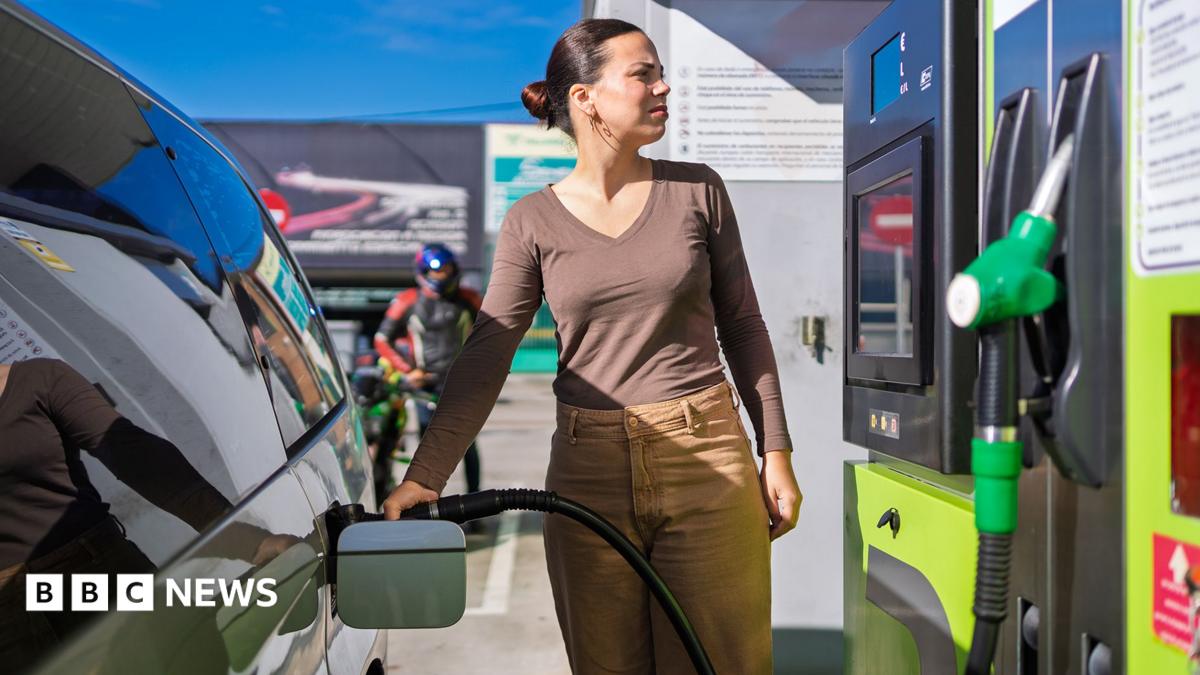
Motor fuel prices have started to drift lower on hopes of a peace deal, but remain well above pre-war levels. As of the latest data cited by RAC Fuel Watch, UK petrol averaged 154.72p per litre and diesel 174.30p per litre. Nearly four months earlier, before the conflict, petrol cost 132.05p and diesel 141.6p. In the US, gasoline stood at $4.05 per gallon, up from $2.94 pre-war, while diesel rose from $3.81 to $5.06.
| Fuel Type | Pre-War Price | Current Price |
|---|---|---|
| UK Petrol | 132.05p/litre | 154.72p/litre |
| UK Diesel | 141.6p/litre | 174.30p/litre |
| US Gasoline | $2.94/gallon | $4.05/gallon |
| US Diesel | $3.81/gallon | $5.06/gallon |
Simon Williams, head of policy at the RAC, said the recent fall in global oil and wholesale petrol prices "if sustained — will in time lead to much lower prices at the pumps." However, he cautioned: "The big question is how fast will this happen, and whether the fall in pump prices happens as swiftly as the rise drivers had to endure through March and April did."
Heating Bills: Gas Prices Down, But Cap Set to Rise
UK gas prices nearly doubled at the start of the conflict. The benchmark UK gas price was below 80p a therm before the war, peaked at 157p on 19 March, and has since fallen back to 98p per therm. Yet Cornwall Insight warns it would be "overly optimistic" to assume prices will quickly return to pre-conflict levels. Meanwhile, energy regulator Ofgem has already set its next price cap for July, which cannot be changed. The average household bill will rise by 13% — or £221 per year — affecting 33 million households in England, Wales and Scotland.
Jet Fuel: Prices Halved but Aviation Sector Still Under Pressure
The Gulf region supplies about half of Europe's jet fuel. Following the war's outbreak, jet fuel prices soared from about $784 per tonne to $1,838. In recent weeks they have fallen sharply to around $967 a tonne, according to Amaar Khan, a jet fuel specialist at Argus Media. Despite the improvement, Khan says the aviation industry is "not out of the woods yet," as supply chains remain fragile and the 60-day nuclear deferral introduces ongoing risk.
Broader Implications for Trade and Shipping
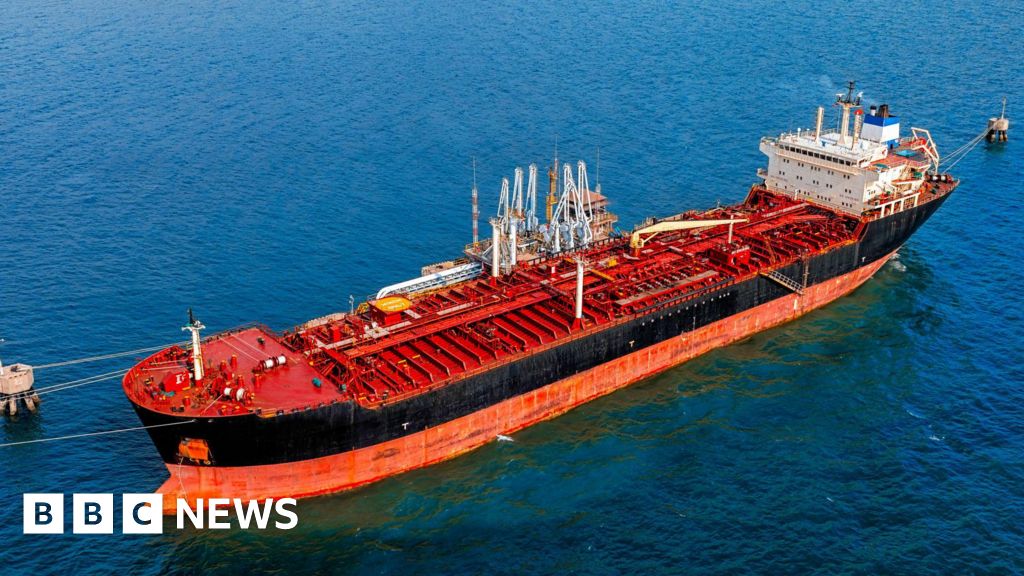
The reopening of the Strait of Hormuz will ease shipping costs for crude oil and refined products, directly benefiting importers and exporters reliant on Middle Eastern energy. However, the deferred nuclear talks create a 60-day window of uncertainty. Traders and customs professionals should monitor price trends and be prepared for renewed volatility if negotiations stall. For now, the data from RAC, Ofgem, and Argus Media point to a slow and uneven recovery in energy prices, with the full impact of the peace deal yet to be felt across global supply chains.
Sources: