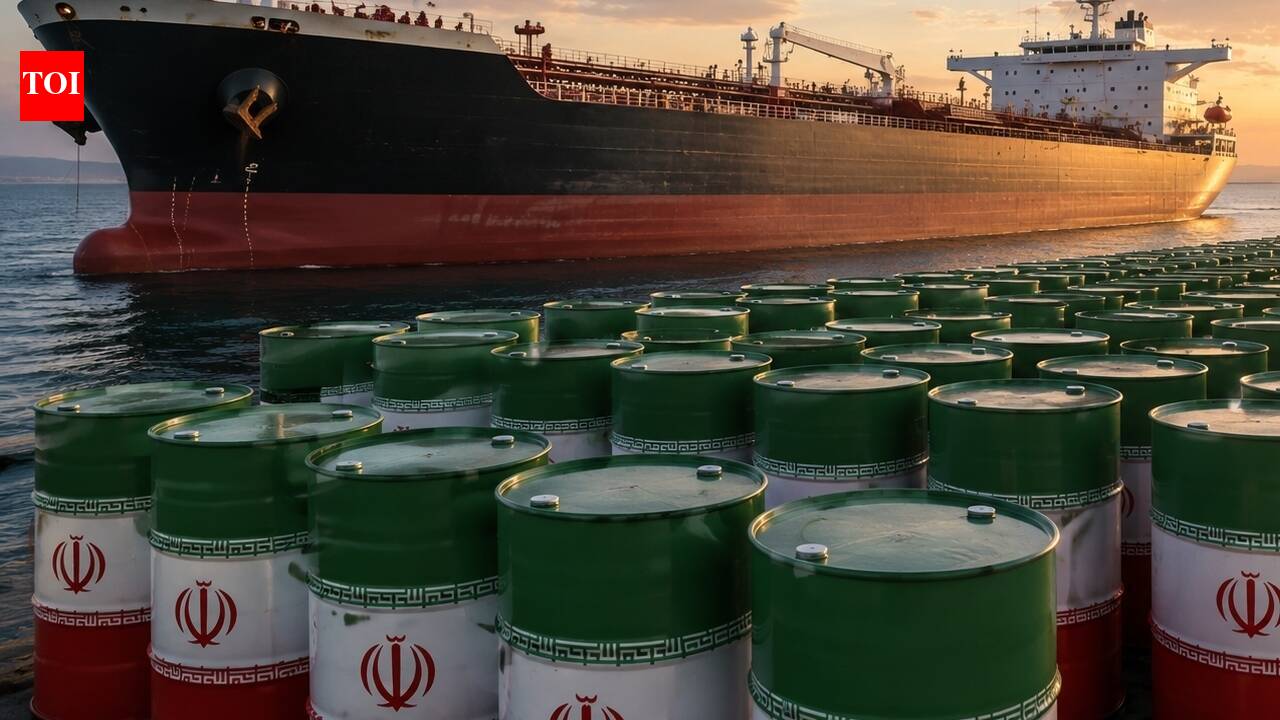
After more than four months of war, the US and Iran will sign an interim memorandum of understanding on Friday in Switzerland, according to a TOI Business Desk report. The deal paves the way for 60 days of negotiations aimed at ending the conflict and imposing strict limits on Tehran's nuclear programme. Under the draft agreement, Iran would be allowed to immediately resume oil exports and gain access to an economic development programme worth at least $300 billion as part of broader efforts to reach a permanent peace deal.
Oil Markets React to Deal Prospects
Oil markets reacted sharply to expectations surrounding the deal. Brent crude dropped below $78 a barrel, reaching its lowest level in more than three months, according to the report. Prices have fallen 15% over the past four trading sessions, marking the longest losing streak of the year amid expectations that the reopening of the Strait of Hormuz could increase global supplies. The US would end its naval blockade of Iranian ports, and both countries would work to restore maritime traffic through the strait to pre-war levels within 30 days.
| Metric | Value |
|---|---|
| Brent crude price | Below $78/barrel |
| Price change (4 sessions) | -15% |
| Time horizon | More than 3-month low |
| Supply response | Reopening of Strait of Hormuz |
Details of the Draft Agreement
The draft document, which has not yet been officially released by either side, is already being circulated by the US among allied nations attending the G7 summit in France. A person familiar with the discussions told Reuters that technical details are still being finalised, indicating that some language could change before the signing ceremony. The agreement outlines significant economic relief for Iran in exchange for ending its restrictions on the Strait of Hormuz and reaffirming that it will never seek a nuclear weapon. Once the memorandum is signed, the US Treasury Department would issue waivers allowing exports of Iranian crude oil and petrochemical products, Bloomberg reported.
The draft agreement does not directly address Iran's existing stockpile of enriched uranium. Instead, it states that the future of Iran's enriched uranium 'will be adequately addressed in a final agreement' alongside other unresolved nuclear issues.
Financing and Frozen Assets
Under the draft agreement, the US and its regional partners would establish a framework to support Iran's rehabilitation and economic development with financing of at least $300 billion. The document also states that the US undertakes that Iran's frozen funds 'will be released and made fully available', although no timetable has been specified. A US official declined to discuss the details of the draft but said Iran would only receive the benefits of the agreement if it fulfilled its obligations. These include never obtaining a nuclear weapon, neutralising its enriched nuclear material and ensuring freedom of navigation through the strait.
Iran is seeking guarantees over access to its frozen assets. The semi-official Tasnim news agency quoted Central Bank Governor Abdolnaser Hemmati as saying Tehran would demand 'full assurance regarding effective access' to those funds after the interim agreement is formally signed. According to Hemmati, American commitments to release Iranian assets are 'explicitly and actionably stated' in the agreement.
US President Donald Trump had previously denied that Washington would pay Iran $300 billion. The draft agreement instead states that the US and its partners would ensure financing of that amount.
Geopolitical Challenges
One of the major challenges in the negotiations remains the conflict involving Israel and the Iran-backed militant group Hezbollah. The draft states that the war will be ended 'on all fronts, including in Lebanon', a provision that would require the approval of Israeli Prime Minister Benjamin Netanyahu, who has so far refused to end Israel's campaign against Hezbollah along the country's northern border. The report quotes Netanyahu's stance: 'It's crucial that Israel stays in southern Lebanon for the time being, cleaning after the Hezbollah infrastructure.'
For commodity traders, the rapid decline in Brent crude underscores the market's sensitivity to geopolitical supply-risk premiums. The resumption of Iranian exports — potentially adding 1-2 million barrels per day to global markets — and the reopening of the Strait of Hormuz, through which about 20% of global oil passes, could keep prices under pressure during the 60-day negotiation window. However, any breakdown in talks or continued conflict on other fronts could quickly reverse the selloff.
Sources: