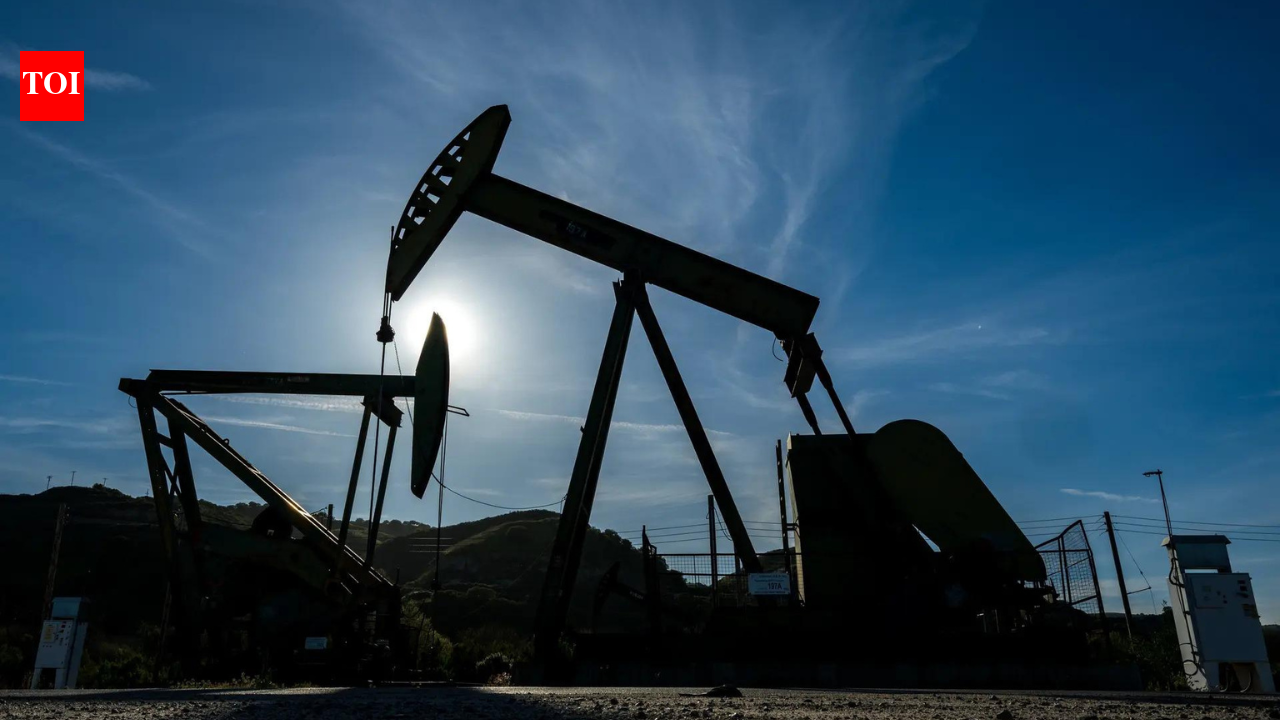
The outbreak of the US-Israel war with Iran in February sent crude oil, natural gas, jet fuel, and food commodity prices soaring as the Strait of Hormuz shipping corridor closed. On 18 June, Iran and the US signed a peace deal bringing the Strait’s reopening, but negotiations on Iran’s nuclear programme were deferred 60 days, according to BBC News. The benchmark UK gas price, which had nearly doubled at the conflict’s onset, fell back to 98p per therm, down from a peak of 157p on 19 March, while jet fuel prices that had spiked to $1,838 per tonne from $784 began easing.
Oil and motor fuels: pump prices still far above pre-war levels
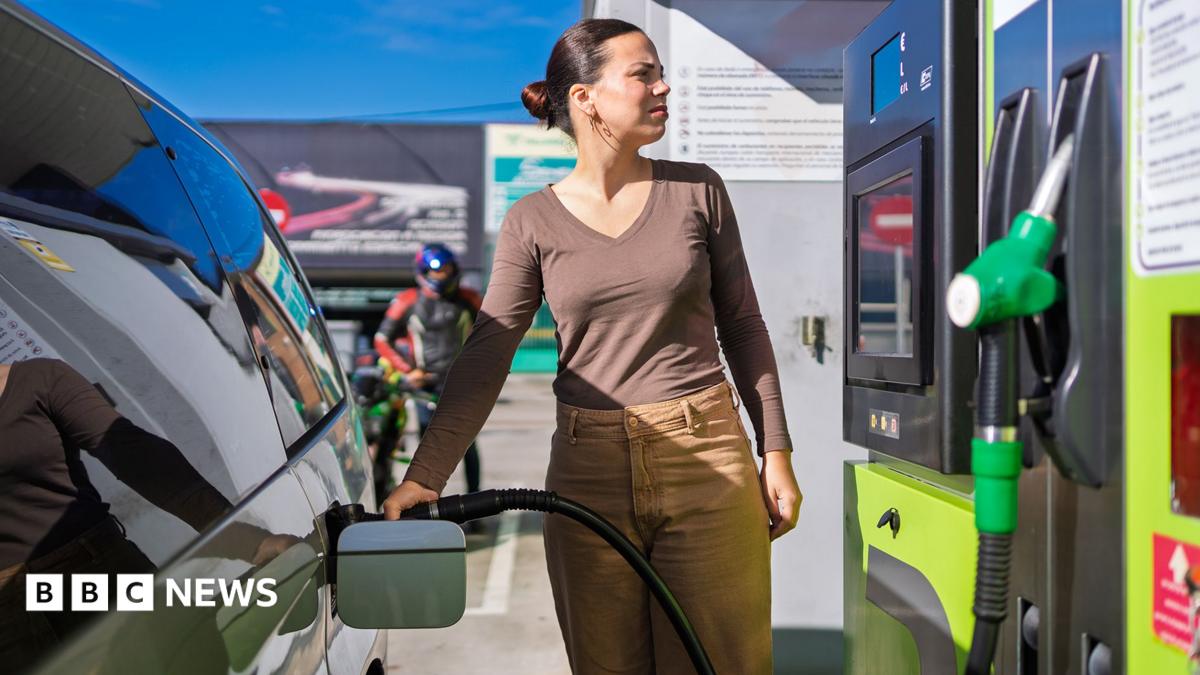
As of Thursday in the UK, petrol cost an average of 154.72p per litre and diesel 174.30p per litre, according to RAC Fuel Watch data cited by BBC News. Before the war began in February, petrol was 132.05p and diesel 141.6p. In the US, the average gasoline price stood at $3.97 per gallon, up from $2.98 pre-war; diesel rose from $3.76 to $5.09 over the same period. US gasoline had topped $4.50 last month.
Simon Williams, head of policy at the RAC, said the recent fall in global oil and wholesale petrol prices, if sustained, will “in time lead to much lower prices at the pumps”. But he added: “The big question is how fast will this happen, and whether the fall in pump prices happens as swiftly as the rise drivers had to endure through March and April did.”
Natural gas and heating: prices retreat but uncertainty remains
The benchmark UK gas price was trading below 80p per therm before the Iran war, spiked to around 157p by 19 March, and had declined to 98p per therm as of 18 June, BBC News reported. The consultancy Cornwall Insight warned it would be “overly optimistic” to assume prices will quickly return to pre-conflict levels. The UK energy regulator Ofgem has already set its next price cap on household energy bills for July, which cannot be changed and will raise the average household bill by 13% (£221 per year) for 33 million households.
Shipping and logistics: Strait reopening triggers rate declines
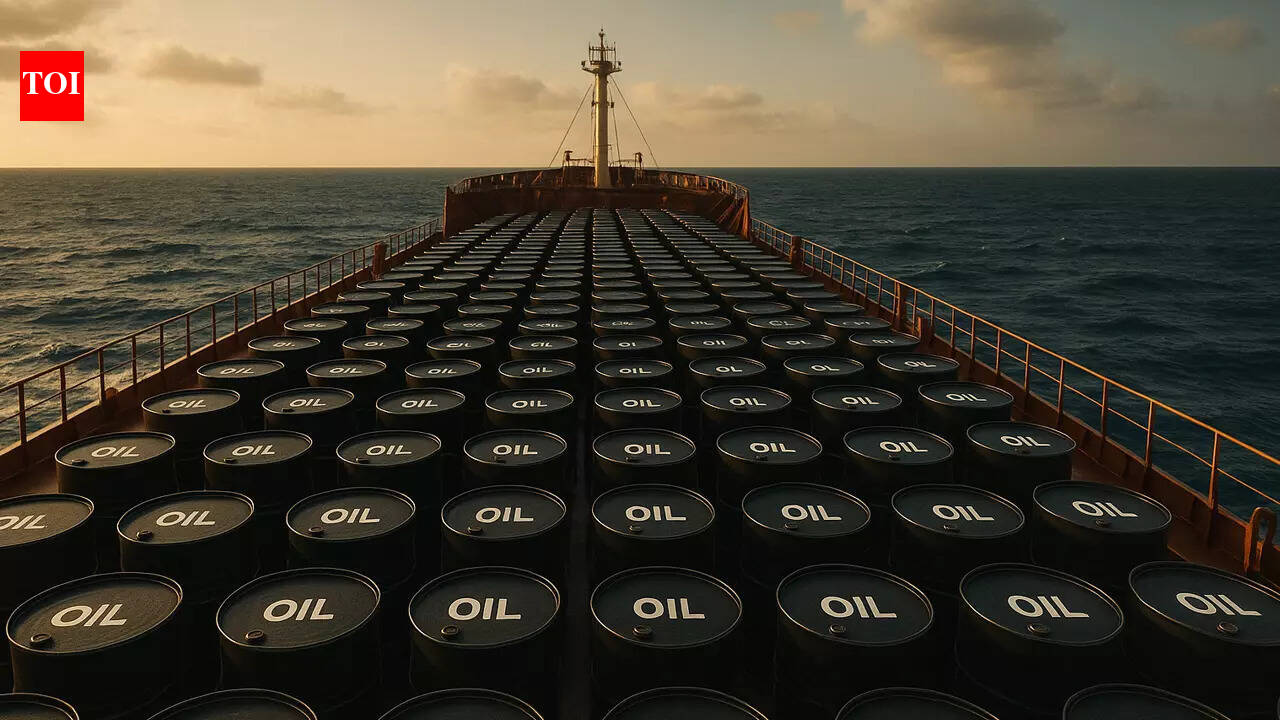
During the conflict, insurance premiums for Very Large Crude Carriers (VLCCs) soared 1,000% to 100 times normal levels, and charter costs jumped to as much as $1 million a day, according to the BBC. Those rates are now falling, though the pace of the decline will depend on how quickly shipping traffic resumes through the Strait of Hormuz. The Gulf provides around half of Europe’s jet fuel, and the war had also raised fears of shortages.
Agricultural commodities: food prices climbed sharply
Global food prices surged as the war disrupted supply chains and commodity costs. The UN reported that its global food price index rose 4% in March alone, BBC News noted. Wheat prices jumped 35% to their highest since 2022; rice prices rose 50% since 2025. UK bakery Warburtons said ingredient costs rose 16% in a single week. Importers paid £12,500 for a container of basmati rice compared with £6,800 before the war. UK bread prices increased 7% since February, pasta up 9%, dairy up 5%, and oils up 12%. The FAO food price index had risen 15% since the war began.
| Commodity / Metric | Pre-war level | Post-deal level (June 2026) | Peak during conflict |
|---|---|---|---|
| UK petrol (p/litre) | 132.05 | 154.72 | – |
| UK diesel (p/litre) | 141.6 | 174.30 | – |
| US gasoline ($/gallon) | 2.98 | 3.97 | 4.50 last month |
| US diesel ($/gallon) | 3.76 | 5.09 | – |
| UK gas (p/therm) | <80 | 98 | 157 (19 Mar) |
| Jet fuel ($/tonne) | ~784 | – | 1,838 |
| Wheat price move | – | +35% | Highest since 2022 |
| Rice price move since 2025 | – | +50% | – |
The peace deal has begun to reverse some of the sharpest commodity price spikes, but the 60-day deferral of nuclear negotiations leaves a significant risk that disruptions could resume, traders should note. Key data to watch includes weekly US EIA oil inventories, OPEC+ compliance rates, and the pace of Strait of Hormuz shipping insurance premiums, as these will determine how quickly wholesale petrol, diesel, and natural gas futures return to pre-war baselines.