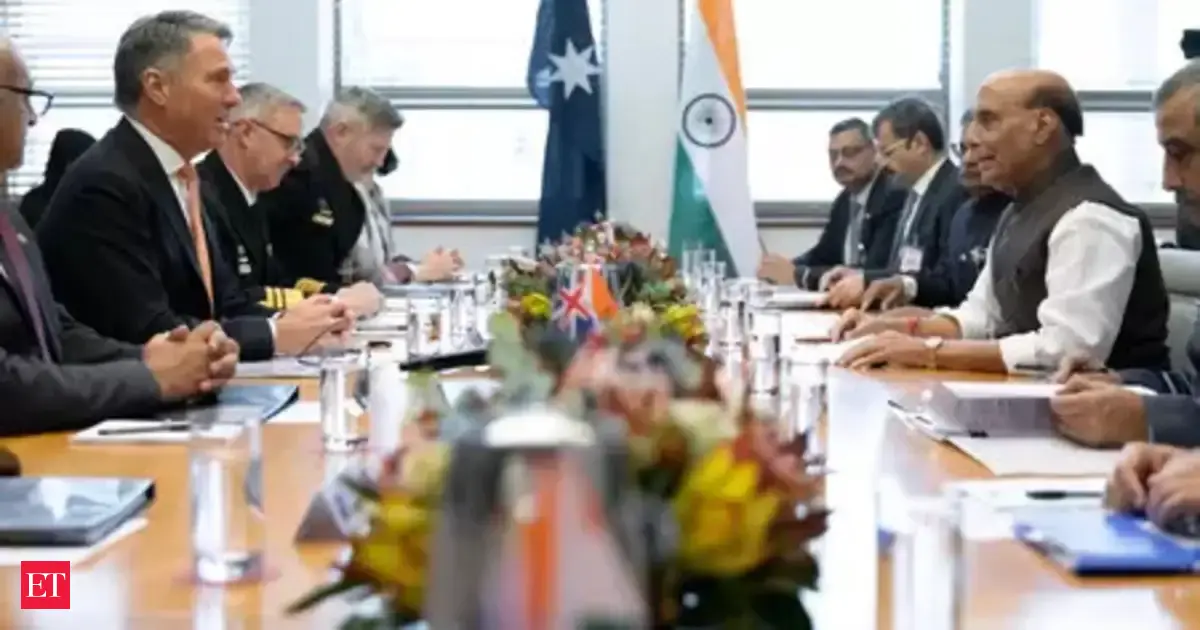
Australia has suspended the licences of 60 per cent of fumigation service providers in India, according to a report by businessline on July 7, 2026. The suspension, implemented last week by the Australian Department of Agriculture, Fisheries and Forestry, affects 44 service providers and follows an audit by Australian biosecurity authorities. The move comes as Australia transitions from document-based approval toward continuous compliance monitoring and surprise audits, as stated in a departmental communication.
Suspension Details and Compliance Shift
Australia operates one of the world's strictest biosecurity systems. Even relatively small procedural failures may result in suspension, the department noted. Fumigation uses methyl bromide and aluminium phosphide to control pests in agricultural produce during shipment or storage. Containers in transit are not exempted; if a suspended provider fumigates a consignment, it must be refumigated in Australia on arrival.
Cost Impact on Exporters
According to the Australian department, the additional refumigation costs could range from A$700 to A$1,200 per container (A$1 = ₹66.14). businessline’s calls to several suspended fumigators drew no response, though one fumigator in South India confirmed its services had been suspended.
Bilateral Trade Context
India's agri-exports to Australia exceed $500 million a year. In the previous fiscal year, shipments totalled about $520 million, with:
| Product | Export Value (USD) |
|---|---|
| Basmati rice | $79 million |
| Miscellaneous processed items | $75 million |
| Spices | $73 million |
Expert Reactions and Policy Mechanisms
Trade experts said the India-Australia Economic Cooperation and Trade Agreement (ECTA) has a mechanism under Chapter 13 (Dispute Settlement) to tackle such issues. The chapter mandates consultations before punitive trade action, though consultations are generally intended for systemic grievances. However, under WTO and ECTA SPS rules, Australia can implement provisional biosecurity bans without prior warning if there is an imminent risk to domestic ecosystems, an anonymous expert said. The expert suggested that Indian Prime Minister Narendra Modi should raise the issue during his current visit to Australia.
S Chandrasekaran, a New Delhi-based trade analyst, said the forthcoming India-Australia Comprehensive Economic Cooperation Agreement (CECA) should consider a special chapter on pre-border Biosecurity and Quality Control and Schemes Cooperation. He proposed provisions including joint accreditation, periodic audits, notification and technical consultation before suspension (except in genuine emergencies), time-bound corrective action for first non-critical breaches, mutual observation of audits, and an expedited reinstatement mechanism after compliance verification. Experts noted that India sends enormous volumes of cargo requiring offshore treatment, and larger numbers naturally generate more inspections and detections of non-compliance.
Sources: