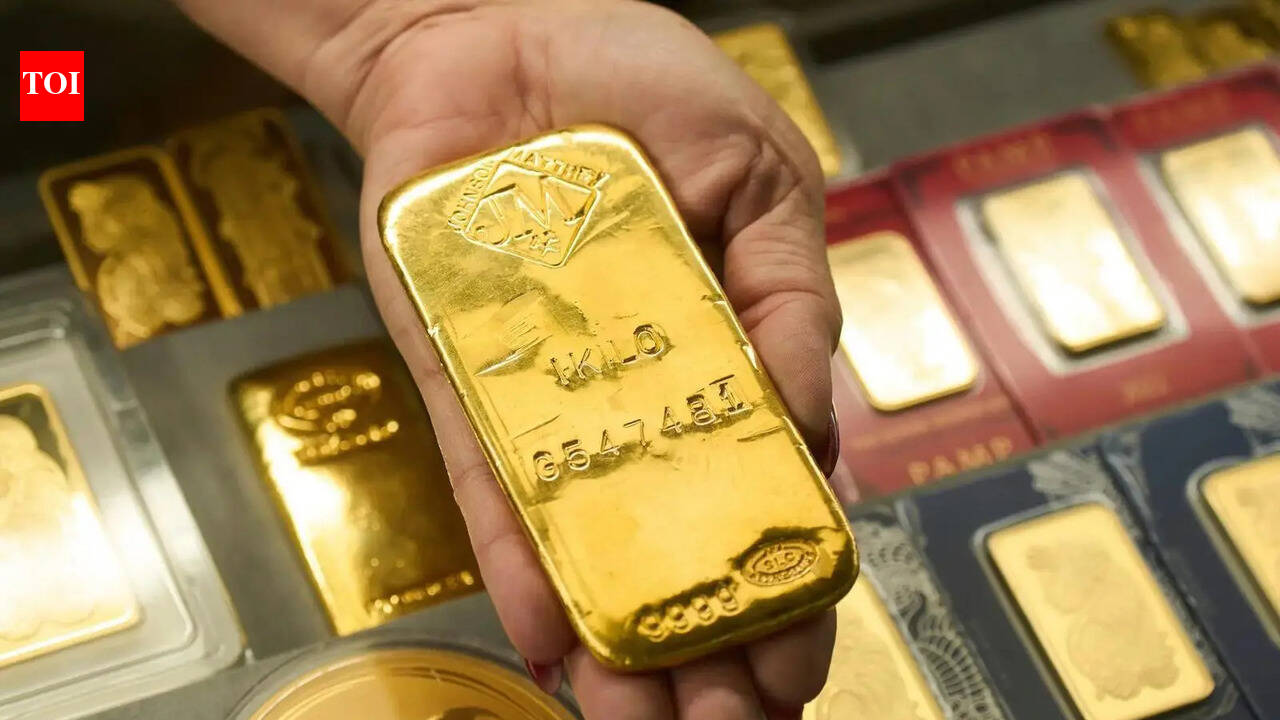
India is preparing to overhaul its Gold Monetisation Scheme (GMS) by allowing jewellers to participate for the first time, according to a report by the Times of India's Business Today desk. The proposal aims to mobilise a portion of the estimated 30,000 tonnes of gold lying idle with Indian households and reduce the country's reliance on imported gold.
Background: The Current Gold Monetisation Scheme
Introduced in 2015, the GMS was designed to encourage households and institutions to deposit idle gold into the formal financial system. Deposits start from 10 grams with no upper limit. However, after 11 years, only 39 tonnes of gold have been mobilised, according to industry executives cited in the report.
From March 26, 2025, the government discontinued the medium- and long-term deposit variants, leaving only the Short-Term Bank Deposit (STBD) option with tenures of one to three years. Under the scheme, depositors submit gold to an authorised Collection and Purity Testing Centre (CPTC), where it is tested, melted, and refined into 995-purity gold. The gold is then credited to a Gold Deposit Account maintained with a bank. Depositors earn interest in rupees and, at maturity, can withdraw an equivalent quantity of gold or its value in rupees.
Proposed Changes: Including Jewellers
The proposal to include jewellers has gained traction after multiple meetings over the past two weeks involving senior government ministers, Reserve Bank of India (RBI) officials, banks, and gold industry representatives, the report stated. Under the proposed model, jewellers would function as collection and aggregation centres, routing gold to authorised refiners and banks while ensuring transparency and traceability.
Jewellers would receive a service or handling fee for mobilising household gold, conducting purity assessments, processing deposits, and facilitating transactions. In return, they would gain access to monetised domestic gold as a reliable and lower-cost source of raw material, reducing reliance on imported bullion, improving inventory management, and lowering financing expenses.
Current Import Data and Government Urgency
The move comes as India's gold import bill remains high. The RBI, in its bi-annual Financial Stability Report, noted that "growth in gold imports… decelerated substantially in May 2026 compared with the previous month." Gold imports in May 2026 were estimated at around $12 billion, according to the report. Prime Minister Narendra Modi had repeatedly urged citizens to curb gold purchases amid economic uncertainty from the Gulf conflict.
Industry executives quoted in the report said the government is keen to roll out the revamped scheme before the festive season, as high gold prices and high import duties continue to dampen jewellery demand and add pressure to the import bill. Trade sources indicate the revised GMS is likely to be unveiled in August 2026.
Key Metrics at a Glance
| Metric | Value |
|---|---|
| Estimated idle gold in Indian households | ~30,000 tonnes |
| Gold mobilised under GMS (2015–2026) | 39 tonnes |
| Gold imports in May 2026 | ~$12 billion |
| Minimum deposit amount | 10 grams |
| Available deposit tenure (since March 26, 2025) | 1–3 years (STBD only) |
Implications for Importers and Trade
The inclusion of jewellers is expected to boost the scheme's uptake by leveraging their networks and consumer trust. For importers and trade policy professionals, a successful revamp could gradually reduce India's dependence on imported gold—currently reflected in the $12 billion monthly import bill. The government's focus on unlocking domestic gold reserves may ease demand for foreign bullion, potentially influencing global gold prices and trade flows. Customs brokers should monitor the scheme's rollout, as it may alter import documentation and duty structures in the medium term.
Sources: