The India-UK free trade agreement (FTA) came into effect on Wednesday, July 14, 2026, according to the BBC. The pact removes or reduces tariffs on 99% of Indian exports to the UK and 90% of UK imports into India. The British government has called it "the UK's biggest and most economically significant bilateral trade pact" since leaving the European Union.
Textile Sector Poised for Growth
Welspun Living, the Indian home textile manufacturer that supplies championship towels to Wimbledon and products to retailers like John Lewis and Tesco, expects exports to the UK to grow in double digits. CEO Dipali Goenka told the BBC: "I'm expecting our exports to the UK to now grow in double digits." She noted that India previously faced a 12% tariff disadvantage compared to Bangladesh and Pakistan, whose exports enter the UK duty-free under the Developing Countries Trading Scheme (DCTS). "If you look at just home textiles, Pakistan's share of UK exports are at around 55%, whereas India's is just 6-7%. That's the gap we can finally cover," Goenka said. Welspun's supply chain team is already working with John Lewis in London on a business roadmap.
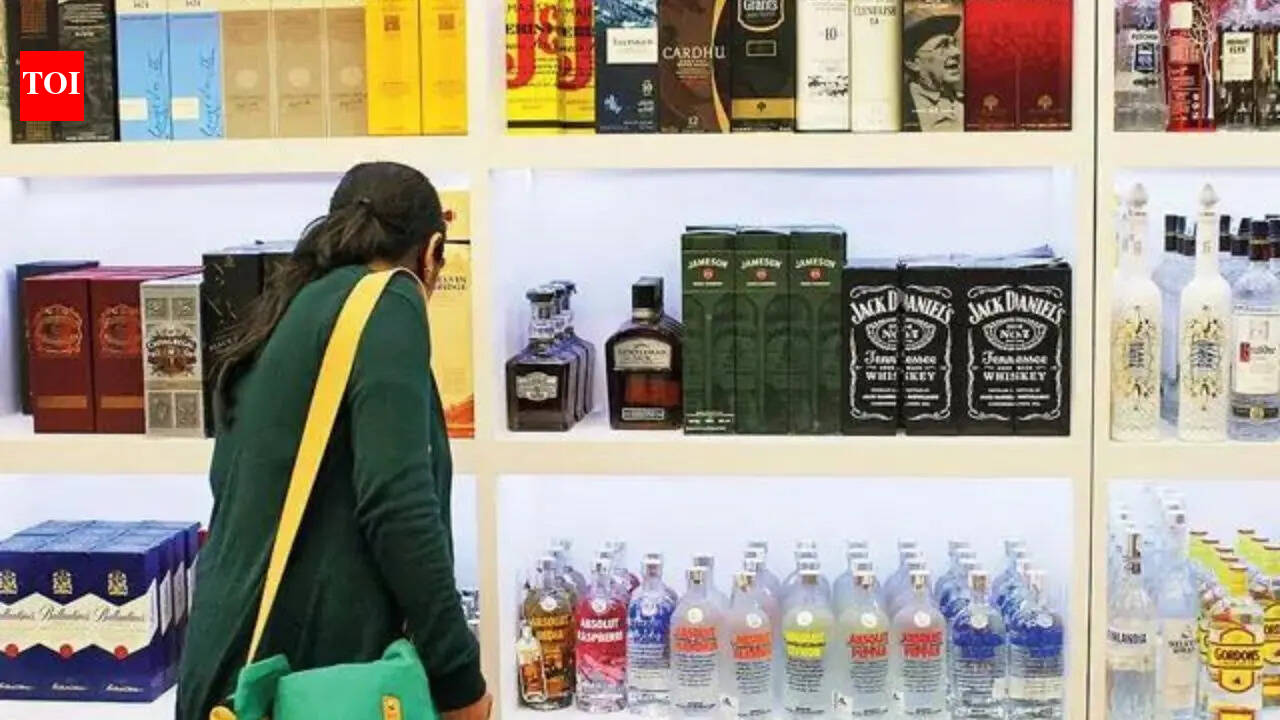
Scotch Whisky Tariffs Slashed
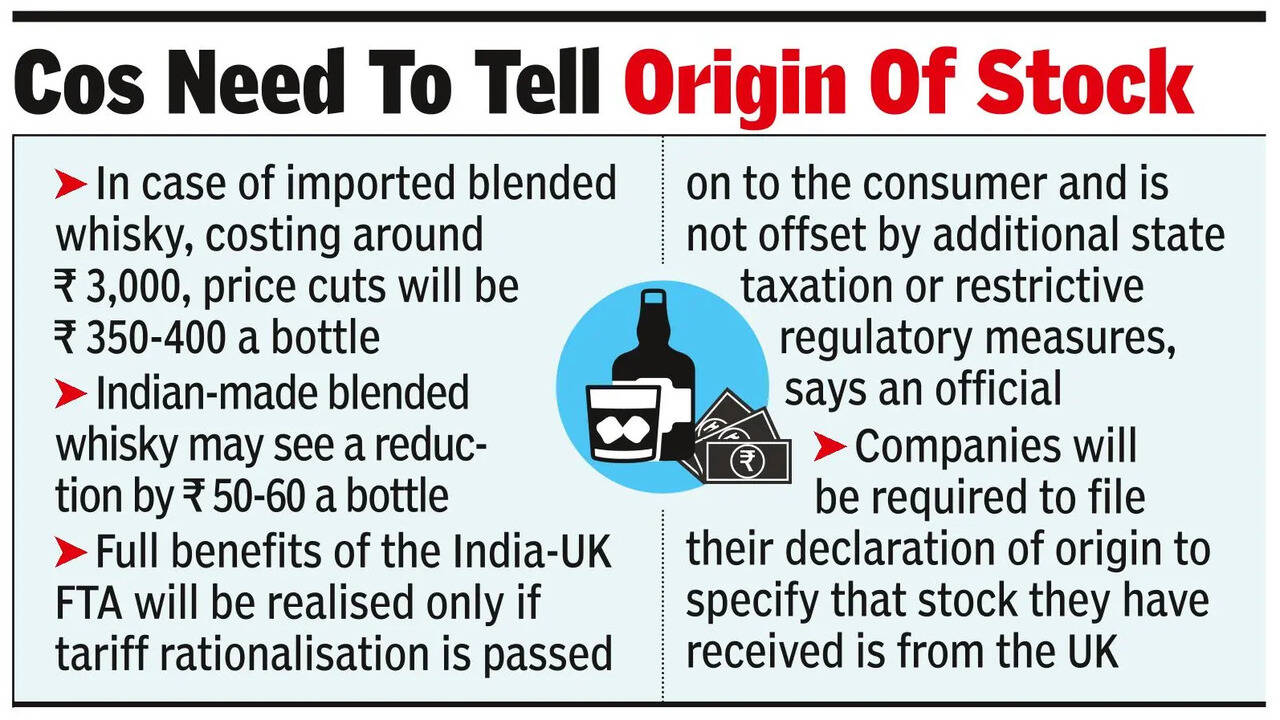
The FTA reduces customs duties on Scotch whisky from 150% to 75% immediately, with further cuts to 40% over 10 years. Avneet Singh of Modern Drinks Pvt Ltd, an import house in Delhi, called the reduction "a real shift, not a small tweak." He said the focus has been on operational preparation, including ensuring certificates of origin and customs compliance, so shipments can benefit from the revised tariff structure from day one. Singh cautioned that bigger changes will come once businesses see actual savings on imported goods.
Overall Economic Impact
The UK government estimates the deal will increase UK GDP by 0.13%, equivalent to £4.8bn ($6.4bn) per year, and India's GDP by 0.06%, or £5.1bn per year in the long run. According to the Global Trade Research Initiative (GTRI) think-tank, India exported $13.4bn worth of goods to the UK in financial year 2025-2026. Labour-intensive sectors including textiles, garments, footwear, cars, and marine products are expected to benefit.
| Sector | Pre-FTA Tariff | Post-FTA Tariff | Timeframe |
|---|---|---|---|
| Indian home textiles (UK import) | 12% | 0% (under 99% coverage) | Immediate |
| Scotch whisky (India import) | 150% | 75% immediate, 40% over 10 years | Phased |
Trade experts quoted by the BBC described the overall impact as "incremental rather than transformational," but companies like Welspun Living and Modern Drinks are preparing for significant changes in bilateral trade flows.
Sources: