The Port of Virginia, under the leadership of Sarah McCoy, is navigating the complexities of international trade with a focus on tariffs and infrastructure investment. As the sixth largest U.S. container port in 2025, handling 3.24 million TEUs, the port is a critical hub in the global supply chain.
Tariffs and Trade Policy
The port's operations are significantly influenced by U.S. trade policies and tariffs. Sarah McCoy emphasized the need for strategic planning to mitigate the impact of tariffs on import/export volumes. "Our goal is to ensure that the Port of Virginia remains competitive and resilient," McCoy stated.
Investment in Infrastructure
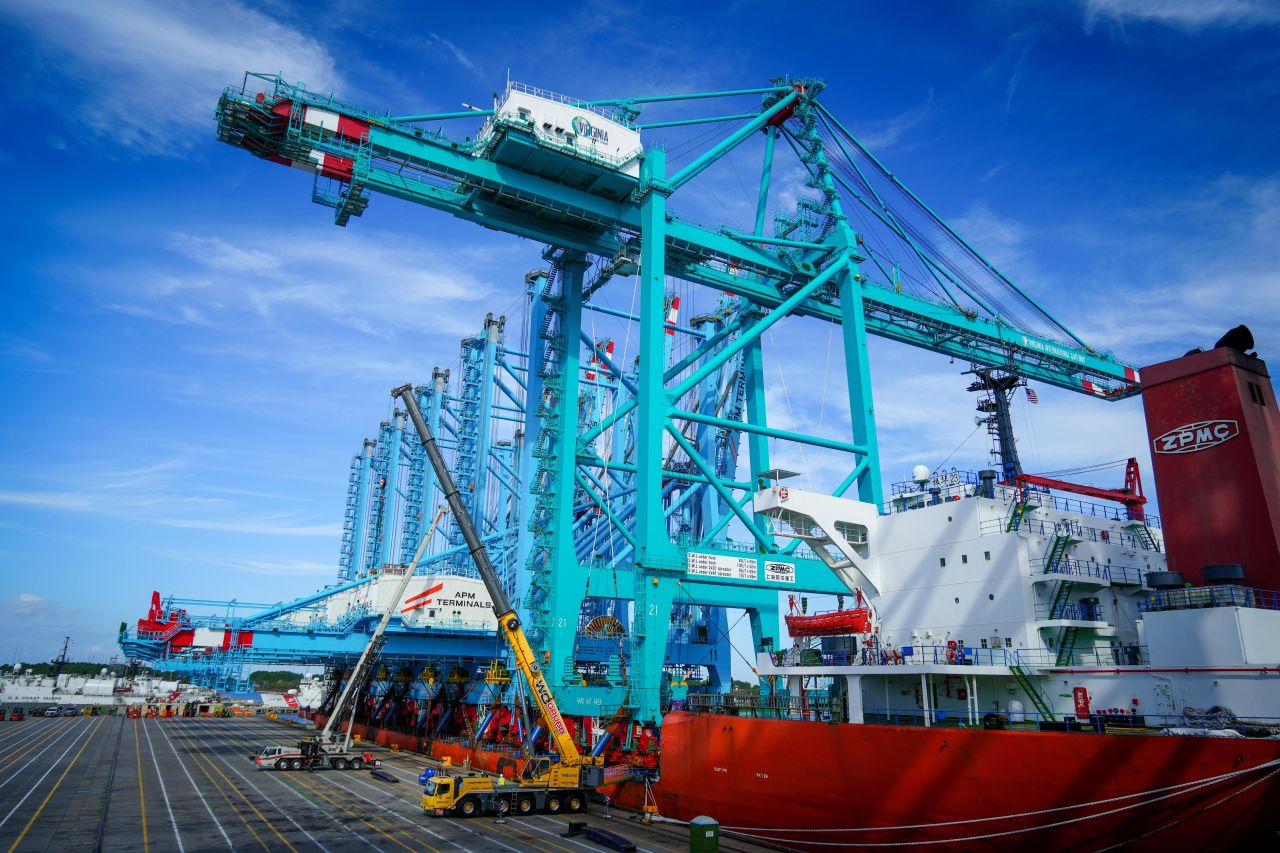
The port has made substantial investments in infrastructure, including the acquisition of new cranes. These cranes, described as the most unique among U.S. container hubs, are part of a broader strategy to enhance operational efficiency and capacity.
"The new cranes are a testament to our commitment to innovation and excellence," said McCoy.
Comparative Data
| Year | TEUs (millions) |
|---|---|
| 2024 | 3.10 |
| 2025 | 3.24 |
Future Outlook
Looking ahead, the Port of Virginia aims to further increase its capacity and efficiency. The ongoing investments are expected to bolster the port's position in the competitive landscape of U.S. ports.
The Virginia Port Authority continues to play a pivotal role in shaping the port's strategic direction, ensuring alignment with national and international trade policies.