iGEN
Visit IGEN World Explore IGEN Expo
EXPLORE UPGRADE PLANS
BREAKING
Home ›› Intl Trade ›› Tariffs Duties ›› New Tariffs Trigger Early Trans-Pacific Peak Season

New Tariffs Trigger Early Trans-Pacific Peak Season

New tariffs and rising fuel costs have accelerated the trans-Pacific peak shipping season, with significant rate hikes reported. The U.S. Trade Representative's new tariffs on 60 countries and potential tariffs on Brazil and others are key factors.

iG
iGEN Editorial
June 10, 2026
New Tariffs Trigger Early Trans-Pacific Peak Season

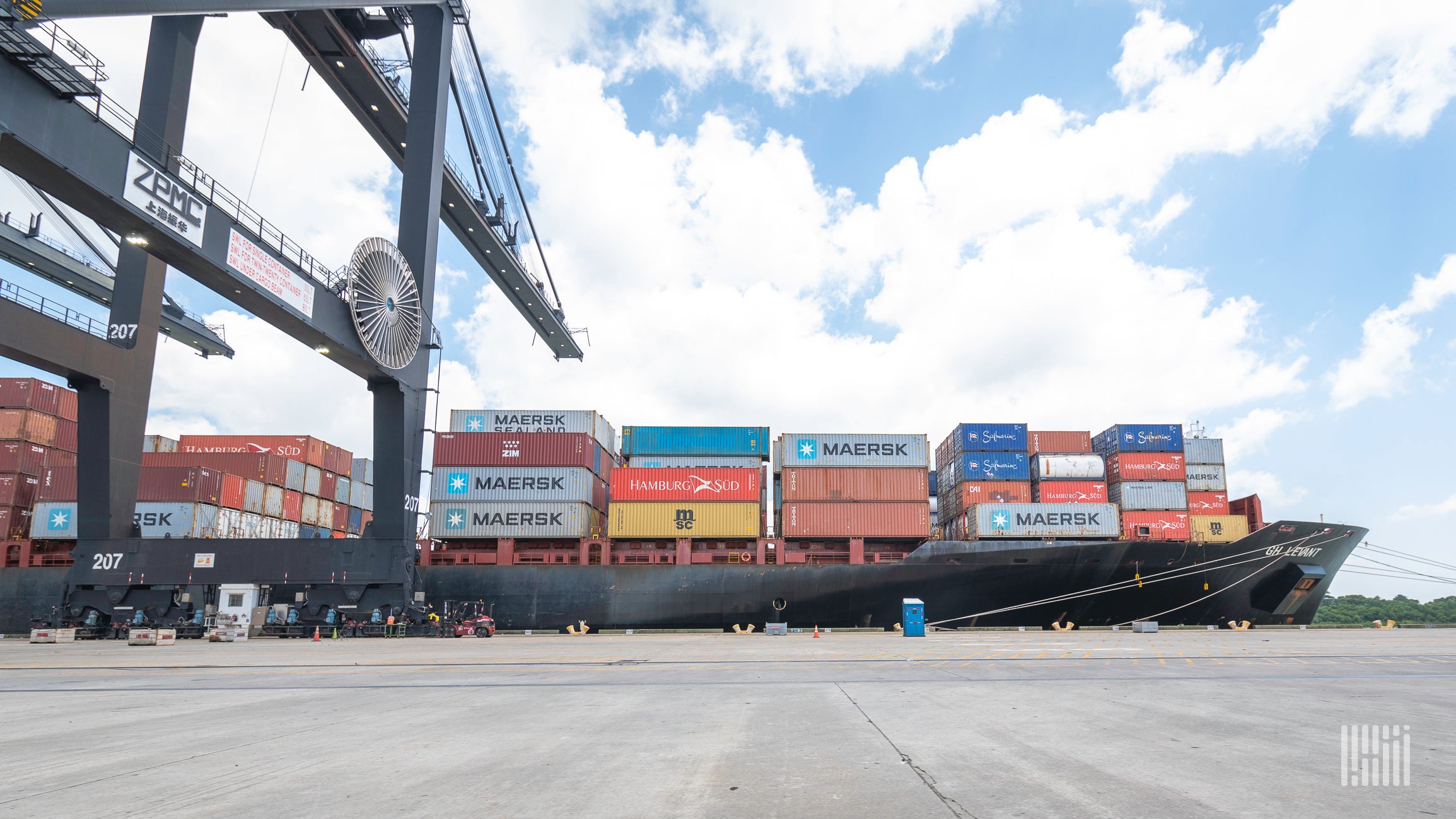
The trans-Pacific peak shipping season is experiencing an early surge, driven by new tariffs and rising fuel costs. According to FreightWaves, box rates have increased significantly, with Asia-U.S. West Coast prices rising by 51% to $4,836 per forty-foot equivalent unit (FEU) and Asia-U.S. East Coast prices up 25% to $6,336 per FEU.

Tariff Impacts

The United States Trade Representative has announced new tariffs on 60 countries for insufficient action against imports produced by forced labor. Additionally, Section 301 probes could lead to tariffs on Brazil and 16 other trading partners. Deborah Elms of the Hinrich Foundation described these developments as "astonishing," highlighting the rising tariff wall around the U.S.

"The net effect will be to accelerate global supply chain shifts," Elms stated.

Rising Fuel Costs

The ongoing conflict in the Middle East, particularly around the Strait of Hormuz, has contributed to higher fuel costs, further impacting shipping rates. Although the closure of the Strait has not caused significant operational changes, the rising oil prices are a factor in the early peak season surge.

Shipping Rate Trends

Judah Levine, research chief for Freightos, noted that the current rate hikes are the sharpest since last year's sudden tariff changes. Contracted shippers are reportedly pulling shipments forward in anticipation of an 80% increase in fuel surcharges starting in July, when the Bunker Adjustment Factor is updated.

Route Price Increase New Price (per FEU)
Asia-U.S. West Coast 51% $4,836
Asia-U.S. East Coast 25% $6,336

Future Outlook

The National Retail Federation (NRF) has revised its peak season estimates, now expecting June import volumes to be 5% higher than May, with a decline to 3% in July. This adjustment reflects the early demand bump driven by tariff deadlines and rising input costs from Asian manufacturers.

While geopolitical tensions, such as Israel's expanded attacks in Lebanon and Iran's threats involving the Houthi militia, add complexity to the situation, the primary drivers remain economic. The NRF's projections suggest that while additional rate increases are possible, they may not be sustained into July.

The early onset of the peak season presents both challenges and opportunities for importers and exporters. Companies must navigate these changes carefully, considering the impact of tariffs and fuel costs on their supply chains.


Sources: FreightWaves
Keep Reading

Recommended Stories

Hormuz in the rearview as Asia-US ocean container rates soar past $7,900 Logistics

Hormuz in the rearview as Asia-US ocean container rates soar past $7,900

Asia-US ocean container rates surged past $7,900 per FEU as peak season demand drives the trans-Pacific market. Rates to the East Coast hit $7,998/FEU, up 8%, and to the West Coast $6,175/FEU. The early peak season, geopolitical tensions in the Strait of Hormuz, and carrier capacity shifts are key factors, according to FreightWaves.

July 2, 2026
U.S. container imports surge 4.5% in July as China peak season momentum builds Logistics

U.S. container imports surge 4.5% in July as China peak season momentum builds

U.S. containerized imports increased 4.5% month over month in July to 2,508,310 TEU, driven by a 7.2% jump in China-origin cargo, according to Descartes Systems Group. Volumes remain 4.3% below July 2025 levels amid trade-policy uncertainty and last year's frontloading. Gulf Coast gateways also posted gains, continuing a shift in U.S. freight flows.

August 12, 2026
Supply Chain: Why Ocean Rates Skyrocketed 300% in 5 Months Logistics

Supply Chain: Why Ocean Rates Skyrocketed 300% in 5 Months

Ocean spot rates have climbed more than 300% in five months, with GEODIS President and CEO Laura Ritchie citing blank sailings, port congestion, and Red Sea and Strait of Hormuz threats as the cause. Cargo booked in March was still rolling into July, straining manufacturing assembly lines. Ritchie also detailed GEODIS's use of AI, drones, and a new client experience structure to manage the volatility.

August 4, 2026
2M+ Import Containers to Set New Record in July as Retailers Front-Load Ahead of Tariff Hikes Logistics

2M+ Import Containers to Set New Record in July as Retailers Front-Load Ahead of Tariff Hikes

The National Retail Federation (NRF) forecasts U.S. container imports will hit a new all-time record of 2.47 million TEU in July 2026, surpassing the previous record of 2.4 million TEU set in May 2022. The surge is driven by retailers front-loading inventory ahead of potential tariff increases in August and ongoing trade uncertainties. May volumes already reached 2.24 million TEU, up 14.9% year-over-year.

July 9, 2026