India and the United States are set to hold ministerial-level talks this week on a bilateral trade pact, according to Commerce Minister Piyush Goyal. The discussions come as both sides seek to finalise the framework of the first phase of the Bilateral Trade Agreement (BTA) amid shifting tariff policies.
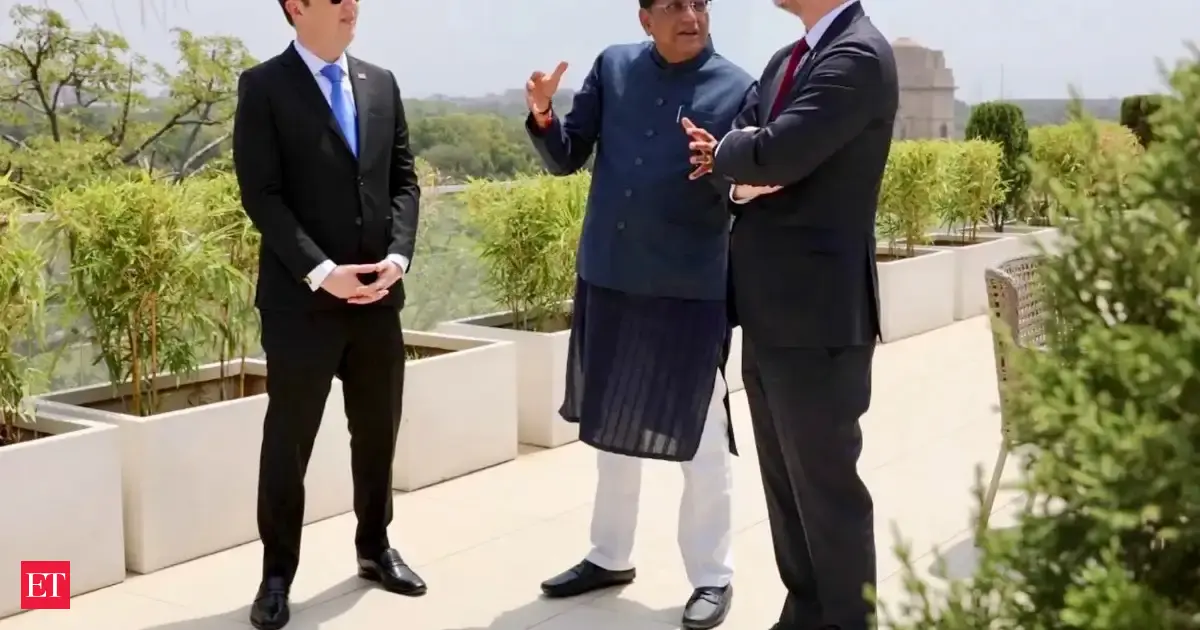
“For the US trade deal talks, tomorrow my counterpart is coming to Delhi,” Goyal told reporters in Mumbai. The meeting follows chief negotiator-level discussions held on June 2-4 in the national capital. Commerce Secretary Rajesh Agrawal has stated that the talks are expected to centre on giving final touches to the framework deal.
Temporary Tariff Expiry and Section 301 Investigations
The 10% temporary tariff imposed by the US on all its trading partners on February 24, 2026, for 150 days will expire on July 24. After that, MFN (most favoured nation) tariffs will come into force on goods imported by the US. To replace the sweeping reciprocal tariffs struck down by the US Supreme Court on February 20, the US is conducting two Section 301 investigations against a number of countries, including India. This is the only legal mechanism through which the US can impose new tariffs of any magnitude.
In March, the USTR launched two unilateral Section 301 of the Trade Act of 1974 investigations against several countries, including India, over excess capacity and failures to eradicate forced labour in global supply chains. On June 2, the USTR proposed imposing 12.5% tariffs on 54 countries, including India, for allegedly failing to prohibit the import of goods produced with forced labour. The measure remains a proposal; interested parties can submit requests to appear at hearings and summaries of testimony by June 22. The USTR is scheduled to hold hearings on July 7. The report of the second probe is awaited.
India-US BTA Framework
On February 7, India and the US issued a joint statement finalising the contours of the first phase of the BTA. Under that framework, the US had agreed to reduce tariffs on India to 18% from 50% and removed 25% tariffs on Indian goods for buying Russian oil, with plans to cut the remaining 25% to 18%. However, after the US Supreme Court ruling against the reciprocal tariffs, both sides are relooking at the agreement’s framework. The February joint statement includes a clause that, in the event of changes to agreed tariffs, the other country may modify its commitments.
Under the agreed framework, India proposed to eliminate or reduce tariffs on all US industrial goods and a wide range of food and agricultural products, including dried distillers' grains (DDGs), red sorghum for animal feed, tree nuts, fresh and processed fruit, soybean oil, wine and spirits, and additional products. New Delhi also expressed intentions to purchase USD 500 billion of US energy products, aircraft and aircraft parts, precious metals, technology products, and coking coal over the next five years.
Key Demands and Tariff Landscape
When the framework of the first phase was finalised, India had a comparative advantage over its competitor countries, such as ASEAN nations. The 10% temporary tariff currently in place has altered the competitive dynamics. The upcoming ministerial talks will address these changes and seek to adjust the pact accordingly.
| Aspect | Detail |
|---|---|
| Temporary US tariff | 10% from Feb 24, 2026, expires July 24, 2026 |
| Proposed Section 301 tariff | 12.5% on 54 countries (including India) |
| US tariff reduction under Feb 7 framework | From 50% to 18% on Indian goods |
| India’s proposed purchases over 5 years | USD 500 billion in US energy, aircraft, etc. |
For importers and exporters, the outcome of these talks is critical. The expiration of the temporary tariff and potential imposition of Section 301 tariffs could significantly affect trade flows. Both sides are working to finalise a deal that provides predictability and market access.
Sources: