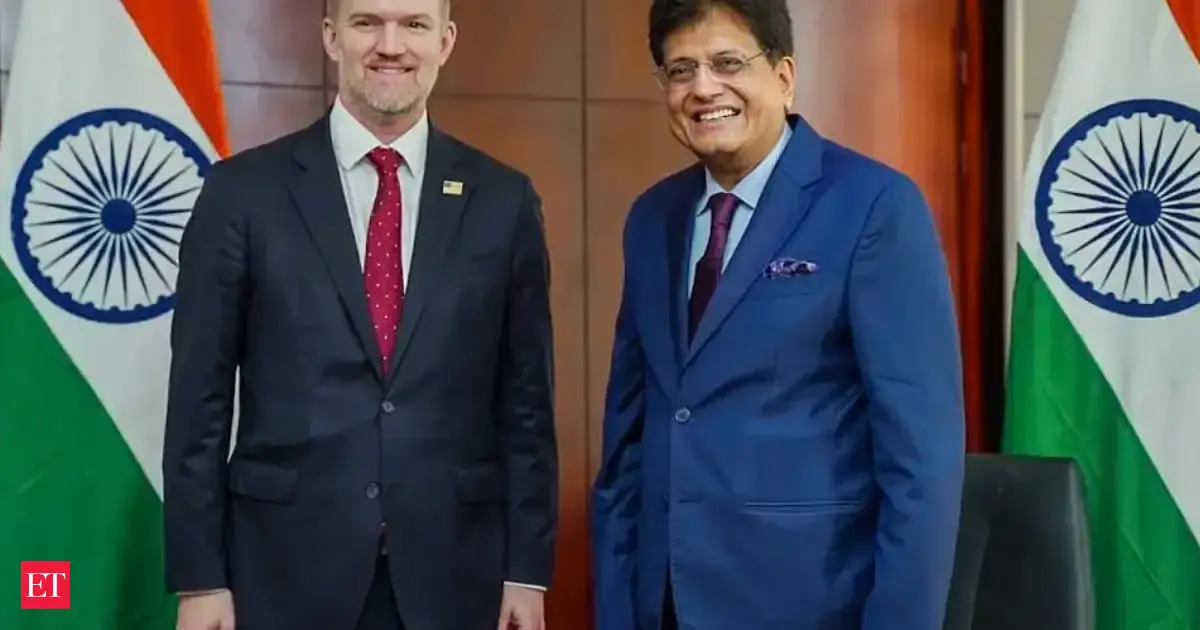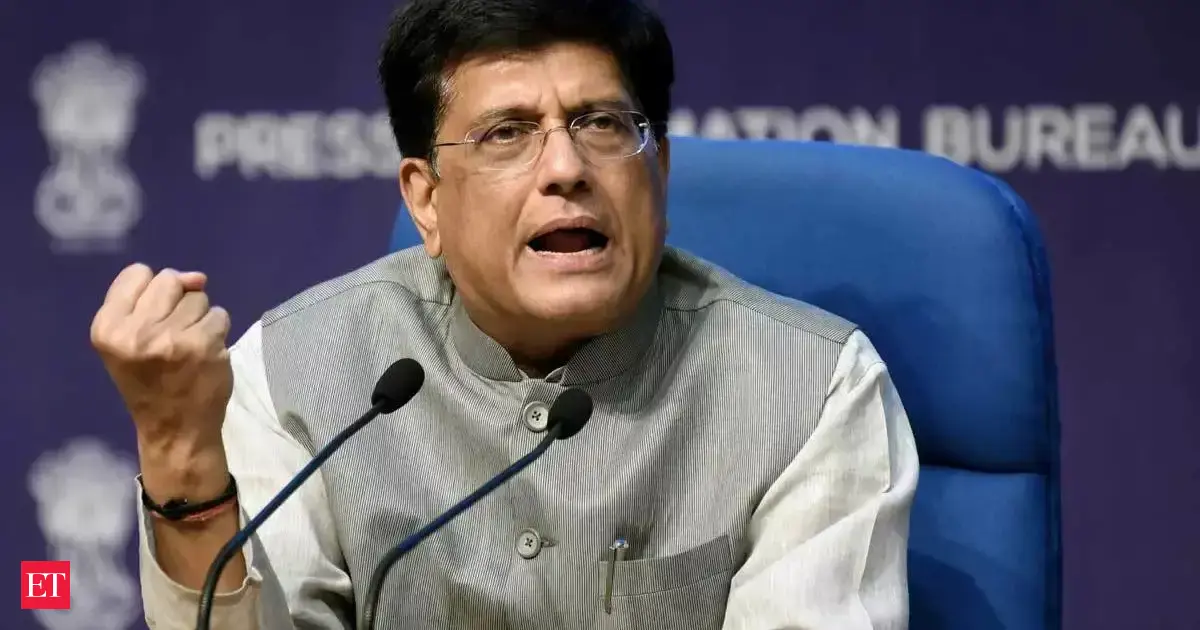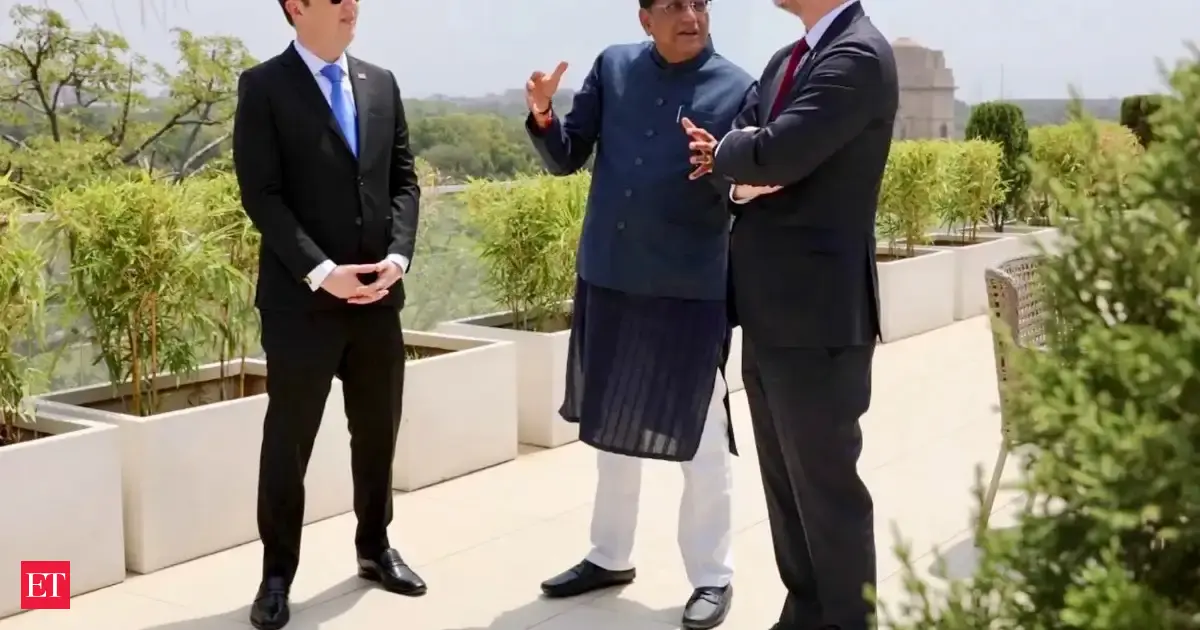
New Delhi — India's Commerce and Industry Minister Piyush Goyal and US Trade Representative Jamieson Greer commenced bilateral trade pact talks on June 23, 2026, at Vanijya Bhawan, the headquarters of the Ministry of Commerce, according to a report in the Economic Times. The meeting followed chief negotiator-level discussions held in the national capital from June 2-4, 2026.
Goyal welcomed Greer and US Ambassador to India Sergio Gor via a social media post on X, stating: "Warm welcome to @USTradeRep Amb Jamieson Greer, @USAmbIndia Amb Sergio Gor and their delegation to @DoC_GoI. Looking forward to productive discussions on the bilateral trade agreement between (India & US)."
Shifting US Tariff Landscape
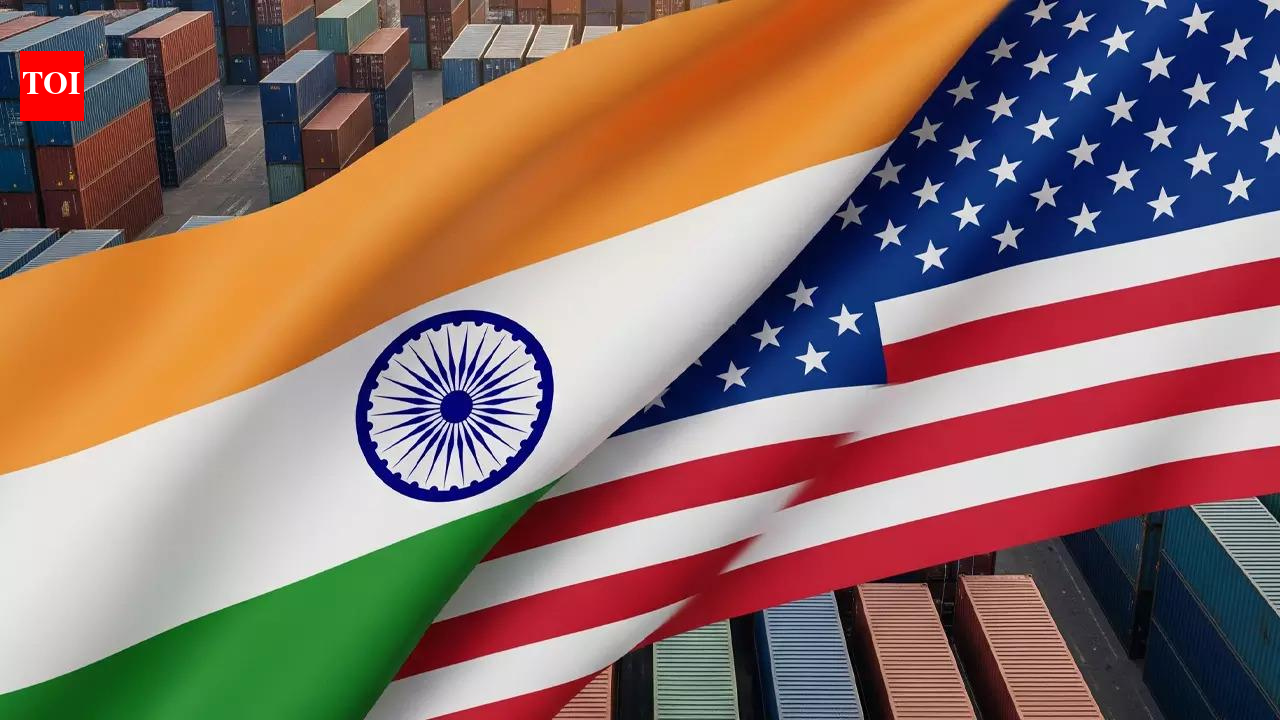
The talks are set against a backdrop of major changes in US tariff policy. The Economic Times reported that the framework for the first phase of the Bilateral Trade Agreement (BTA) was announced in February 2026, based on the 50% tariffs previously imposed by the US on Indian goods. However, on February 20, 2026, the US Supreme Court struck down those sweeping tariffs. Subsequently, on February 24, 2026, the Trump administration imposed 10% tariffs under Section 122 of the Trade Act on all countries for 150 days, which will expire on July 24, 2026.
Under the earlier framework, the US had agreed to reduce tariffs on India to 18% from 50%. It had also removed the 25% tariffs on Indian goods for buying Russian oil and planned to cut the remaining 25% to 18% under the pact. But the Supreme Court ruling invalidated those tariffs. Now, with all countries facing the same 10% additional levy, both sides are re-evaluating the agreement's terms, the Economic Times noted.
India's Proposed Concessions and Investment Commitments
According to the Economic Times, under the agreed framework, India proposed to eliminate or reduce tariffs on all US industrial goods and a wide range of food and agricultural products, including:
- Dried Distillers' Grains (DDGs)
- Red sorghum for animal feed
- Tree nuts
- Fresh and processed fruit
- Soybean oil
- Wine and spirits
- Additional products
New Delhi also expressed its intention to purchase USD 500 billion of US energy products, aircraft and aircraft parts, precious metals, technology products, and coking coal over the next five years.
The February 2026 joint statement included a clause allowing either country to modify its commitments in the event of any changes to agreed-upon tariffs, the report added.
India’s Competitive Position and Section 301 Investigations
The Economic Times highlighted that when the framework was finalised, India held a comparative advantage over competitor nations such as ASEAN countries (Indonesia, Malaysia, Singapore, Thailand, Philippines, Brunei, Vietnam, Laos, Myanmar, Cambodia), Sri Lanka, Pakistan, and Bangladesh. Under the framework, the US had announced an 18% tariff on Indian goods, while tariffs on competing countries ranged from 19% to 20%. Now that all countries face the same 10% levy, it is important for India to secure a tariff advantage in the trade pact.
Meanwhile, the US Trade Representative launched two Section 301 investigations on March 11 and 12, 2026, covering about 60 economies. One investigation focuses on alleged excess industrial capacity, while the other examines forced-labour concerns in global supply chains. India is included in both investigations, the Economic Times confirmed.
India's outbound shipments to the US grew marginally by 0.92% in 2025-26. The US was India's second-largest trading partner during that period.
Key Indian negotiators attending the talks include Commerce Secretary Rajesh Agrawal and India's Chief Negotiator Darpan Jain, who is also Additional Secretary in the Department of Commerce.
| Tariff Regime | Tariff on Indian Goods | Effective Period |
|---|---|---|
| Pre-Supreme Court ruling | 50% (original) | Until Feb 19, 2026 |
| Under BTA framework (agreed Feb 2026) | 18% (proposed) | Not implemented due to court ruling |
| Section 122 (Trump administration) | 10% additional levy | Feb 24 – Jul 24, 2026 |
As the tariff landscape continues to evolve, the outcome of these negotiations will be closely watched by importers and exporters on both sides.
Sources: