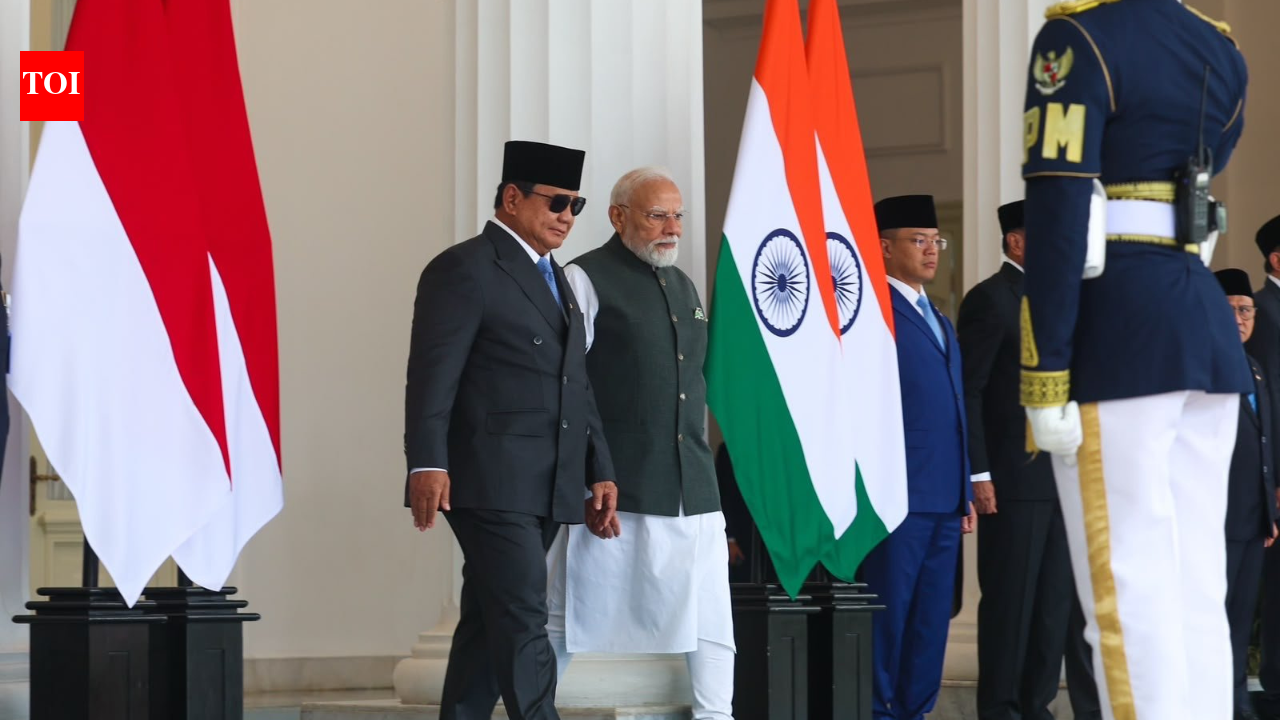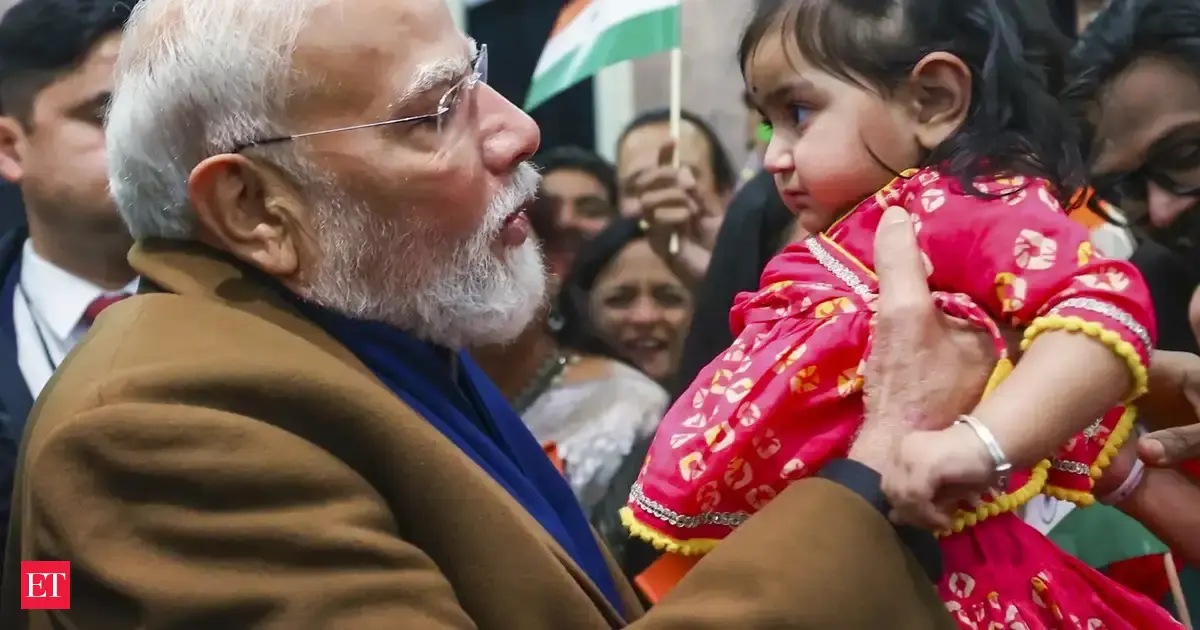
Prime Minister Narendra Modi arrived in Auckland on Friday, marking the first visit by an Indian prime minister to New Zealand in four decades, according to the Economic Times. The visit is the final leg of Modi’s three-nation tour. He was received by New Zealand Prime Minister Christopher Luxon at Auckland Airport.
Historic Visit and Diplomatic Agenda
Modi described the visit as historic. “Thankful to the Prime Minister for the welcome at the airport. This visit is historic, being the first Prime Ministerial visit to New Zealand in four decades,” Modi said in a post on X. On Saturday, Modi and Luxon will hold talks on ways to further strengthen economic, trade and commercial engagement.
Free Trade Agreement Details
Ahead of Modi’s arrival, Luxon emphasized the economic benefits of the India-New Zealand Free Trade Agreement (FTA). In a post on X on Thursday, Luxon wrote:
New Zealand businesses are set to boom with our India Trade Deal. Fifty-seven per cent of everything we export to India will be tariff-free from day one.
According to the Economic Times, Luxon said 57% of New Zealand’s exports to India will become tariff-free from the day the agreement comes into force. This provision is expected to provide a major boost to New Zealand businesses by expanding access to the Indian market.
| Key Fact | Detail |
|---|---|
| FTA provision | 57% of NZ exports to India tariff-free from day one |
| Impact | Boosts NZ business access to Indian market |
Diaspora and Cultural Ties
Modi will also address the Indian community in New Zealand. The country is home to about 300,000 people of Indian origin, including an estimated 35,000 of Fijian-Indian descent. Hindi is the fifth most-spoken language in New Zealand after English, Maori, Samoan and Mandarin.
Implications for Trade Professionals
For importers and exporters on both sides, the FTA’s immediate tariff elimination on over half of New Zealand’s exports to India signals a significant opening in bilateral trade. Trade policy analysts should monitor the agreement’s implementation timeline and the specific product categories covered. Customs brokers will need to prepare for new duty-free entry procedures once the FTA enters into force.
Sources: