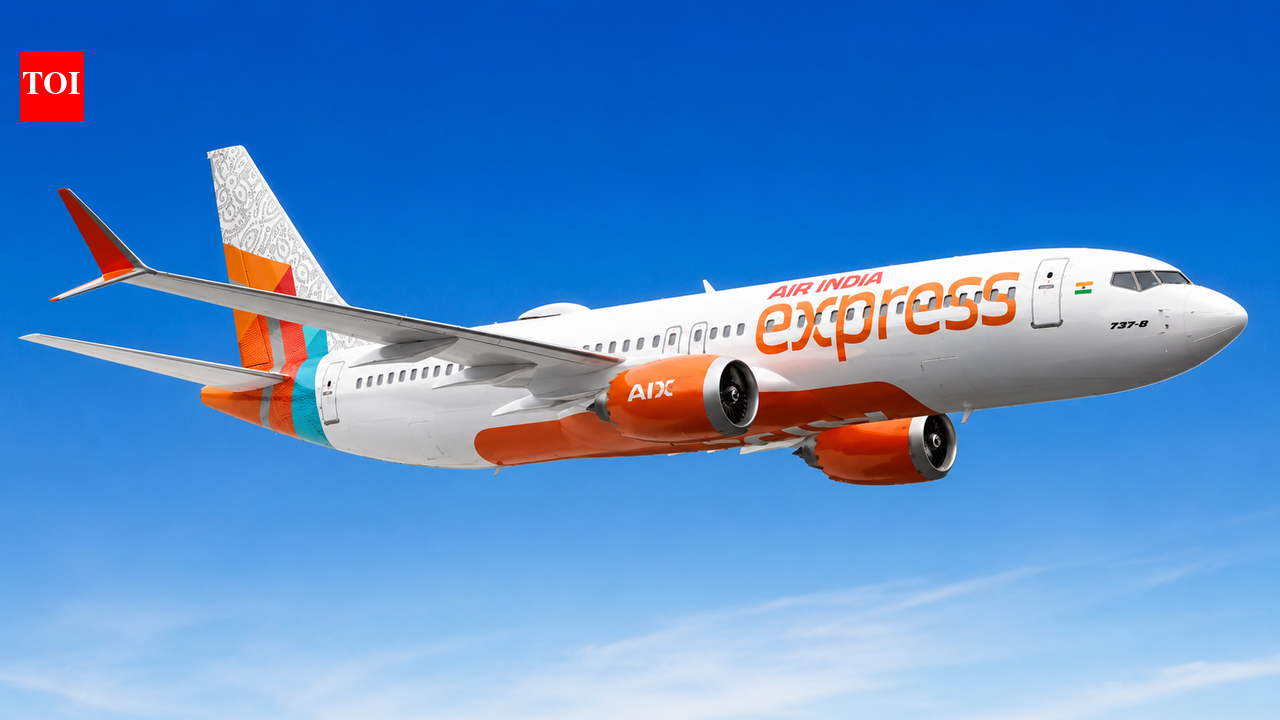
Air India Express has reintroduced passenger flights to Kuwait and Salalah, adding scheduled services from Kozhikode and Bengaluru that also provide additional bellyhold cargo capacity for the India–Middle East trade lane, according to a report by The Times of India.
The restored routes include multiple weekly frequencies on four city pairs. The carrier is operating flights from Kozhikode to Salalah (Tuesday and Thursday), Kozhikode to Kuwait (Friday and a separate three-times-weekly service), and Bengaluru to Kuwait (Friday and another three-times-weekly service). Each rotation also carries return legs, offering round-trip cargo capacity.
Route Details and Frequencies
The following table summarizes all restored services as reported by The Times of India:
| Origin | Destination | Departure | Arrival | Days of Operation |
|---|---|---|---|---|
| Kozhikode (CCJ) | Salalah (SLL) | 11:00 | 13:05 | Tuesday, Thursday |
| Salalah (SLL) | Kozhikode (CCJ) | 14:15 | 19:45 | Tuesday, Thursday |
| Kozhikode (CCJ) | Kuwait (KWI) | 07:30 | 10:05 | Friday |
| Kuwait (KWI) | Kozhikode (CCJ) | 11:05 | 18:50 | Friday |
| Kozhikode (CCJ) | Kuwait (KWI) | 02:15 | 04:50 | Wednesday, Friday, Sunday |
| Kuwait (KWI) | Kozhikode (CCJ) | 05:50 | 13:35 | Wednesday, Friday, Sunday |
| Bengaluru (BLR) | Kuwait (KWI) | 02:25 | 04:50 | Friday |
| Kuwait (KWI) | Bengaluru (BLR) | 05:50 | 13:25 | Friday |
| Bengaluru (BLR) | Kuwait (KWI) | 02:25 | 04:50 | Monday, Tuesday, Saturday |
| Kuwait (KWI) | Bengaluru (BLR) | 05:50 | 13:25 | Monday, Tuesday, Saturday |
All times are local. The carrier did not specify aircraft type, but typical Air India Express narrowbody types (Boeing 737) can carry 3–5 tonnes of bellyhold cargo per flight, which translates to significant weekly capacity on these lanes.
Operational Implications for Freight Forwarders
The restored flights add regular scheduled lift from two major Indian cargo origins — Kozhikode (Calicut International Airport) and Bengaluru (Kempegowda International Airport) — to Kuwait International Airport and Salalah Airport in Oman. For freight forwarders and logistics managers, this means:
- Increased bellyhold capacity on the India–Gulf corridor, which is a high-volume route for perishables, pharmaceuticals, and general cargo.
- More frequent departure options, reducing transit times especially for urgent shipments.
- Potential rate relief as added capacity could ease tight air freight markets on these lanes.
The Kozhikode–Salalah route (twice weekly) is particularly valuable for trade flows between India's Malabar region and Oman's Dhofar governorate, a key hub for logistics and re-export. The Bengaluru–Kuwait route (four times weekly) strengthens connectivity for South India's electronics and engineering goods exports.
Carriers and Infrastructure
Air India Express, the low-cost subsidiary of Air India, is the sole operator mentioned in the restored services. No codeshare or interline partners are indicated in the source. The airline is adding these frequencies as part of its network restoration, according to the report.
For shippers, the return of these flights improves booking flexibility and may reduce dependency on freighter-only services. However, bellyhold cargo competes with passenger baggage, so available space can vary.
Watch List
- Capacity allocation: Forwarders should monitor whether Air India Express cargo booking platforms show consistent availability, especially during peak travel seasons when passenger luggage takes priority.
- Competitor response: Other carriers on India–Gulf routes (e.g., IndiGo, SpiceJet, Gulf carriers) may adjust frequencies, impacting overall market rates.
- Seasonal demand: The upcoming festival season in India typically drives higher outbound cargo volumes to the Middle East, which could absorb the added capacity quickly.
Freight forwarders and logistics operators should update their routing guides to include these new frequencies and engage with Air India Express cargo sales for block-space agreements where appropriate.
Sources: