Middle East risk has been permanently repriced across ocean shipping, with war-risk premiums, crew terms, charter clauses and investment in alternative export routes through Fujairah and Sohar now embedded in the market, according to Splash247 reporting from the Splash Singapore conference with Paratus founder and group CEO Gus Majed.
Singapore's advantage as a maritime centre is shifting from scale and location to trust, Majed argued ahead of September's Splash Singapore conference. "The war promoted Singapore from the world's fuel pump to the system's safe harbour," he told Splash247. More than half of Singapore's bunker feedstock previously arrived through the Strait of Hormuz; when war disrupted those flows, the supply chain was rebuilt within weeks and bunker sales rose to 28.2m tonnes in the first half of 2026, almost 5% higher year-on-year. "That is the real edge: not volume, adaptability," Majed said.
Hormuz repricing is permanent
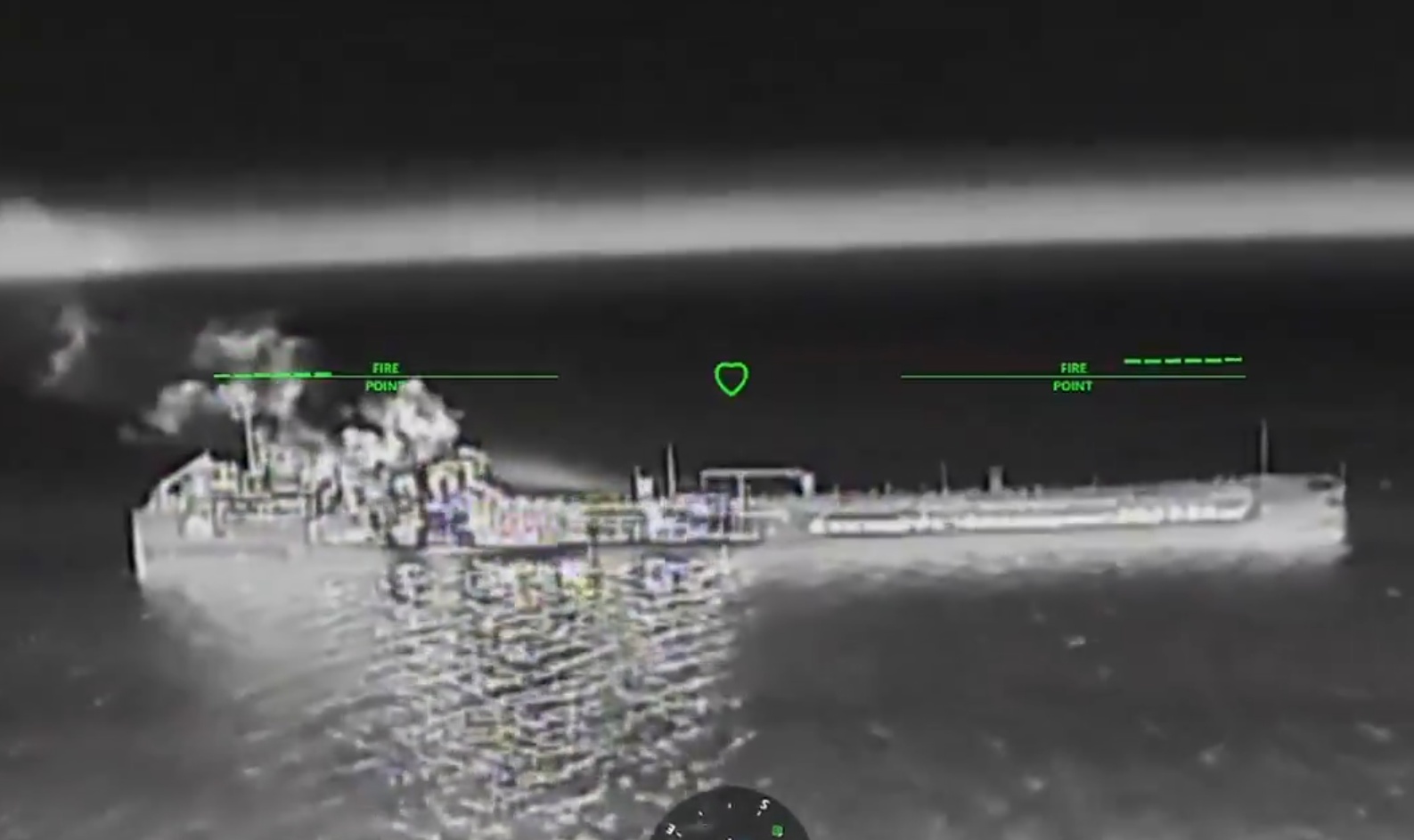
Majed said the Hormuz crisis will dominate the tanker session he chairs at Splash Singapore. By September, shipping will be seven months into the crisis and only weeks away from the IMO's rescheduled carbon vote. He expects debate to focus on concentration risk, changing ownership structures, vessel values and the vulnerability of other shipping chokepoints.
Even if diplomacy resolves the crisis, he doubts shipping returns to its pre-war state. "Owners and charterers have learned the strait can close for months, and that lesson does not expire with a memorandum," he said. The lesson will remain embedded in war-risk premiums, crew terms, charter clauses and alternative export routes through ports such as Fujairah and Sohar.
Middle East risk has been repriced, and no signature prices it back overnight.
Majed delivered that verdict on the durability of the repricing.
Singapore's trust dividend
Singapore is increasingly the neutral ground where Asian freight, fuel and risk are priced, bringing together owners, charterers, financiers and insurers while exporters build their own fleets and governments stockpile strategic commodities. The next battleground will be measurement. "The port that can certify what a ship actually burned owns compliance-era bunkering," Majed stressed. "Singapore's old edge was volume. Its next edge is trust."
| Metric | Value |
|---|---|
| Singapore bunker sales, H1 2026 | 28.2m tonnes |
| Year-on-year change | Almost 5% higher |
| Share of bunker feedstock previously via Strait of Hormuz | More than half |
Chokepoints multiply
Hormuz is not the only chokepoint causing headaches. El Niño is again putting pressure on Panama Canal water levels, while shallow conditions on the Rhine are disrupting European inland shipping. "War closed one artery and climate is squeezing two more," Majed said.
| Chokepoint | Status | Operational impact |
|---|---|---|
| Strait of Hormuz | War-disrupted | Rebuilt supply chains; war-risk premiums |
| Panama Canal | El Niño water-level pressure | Transit constraints on canal |
| Rhine | Shallow conditions | Disruption to European inland shipping |
Ownership and vessel values
Oil producers are becoming shipowners themselves. ADNOC has been buying VLCCs; Bahri's fleet has reached in excess of 100 vessels. "The customer has become the competitor," Majed observed. Modern VLCC values above $130m have returned to levels last seen around 2008, against an ageing fleet and modest growth in compliant tonnage.
Technology is being reshaped by the conflict too. AIS shutdowns, dark transfers and discrepancies between official flow estimates and vessel-tracking data have pushed satellite intelligence and AI vessel analytics from specialist tools towards essential commercial infrastructure, according to Splash247. These tools are now standard inputs for routing, insurance and chartering decisions.
Watch list
- September marks seven months of Hormuz crisis and the IMO's rescheduled carbon vote
- Panama Canal water levels under continued El Niño pressure
- Rhine depth conditions for European inland barge traffic
- Splash Singapore tanker session chaired by Majed, with Christoph Toepfer, Andreas Michalopoulos and Nitin Mathur also on stage
- Ownership shifts: ADNOC VLCC purchases and Bahri's 100-plus vessel fleet
- Companies attending Splash Singapore include Aderco, AET, Alfa Laval, Al Seer Marine, Ambica Logistics, Anglo American, Anglo-Eastern Univan Group, Anline Shipping, Asia Pacific Ship Management, AXSMarine, Baltic Exchange and Borealis Maritime, according to Splash247
Majed said the day's success would rely on "candour" — "people naming what they earn in dollars per day and pay in dollars per mt, disagreeing in the open, and somebody changing my mind on something I walked in certain about." He added, "Singapore in September is our kind of town. The food alone is worth the flight."
Sources: