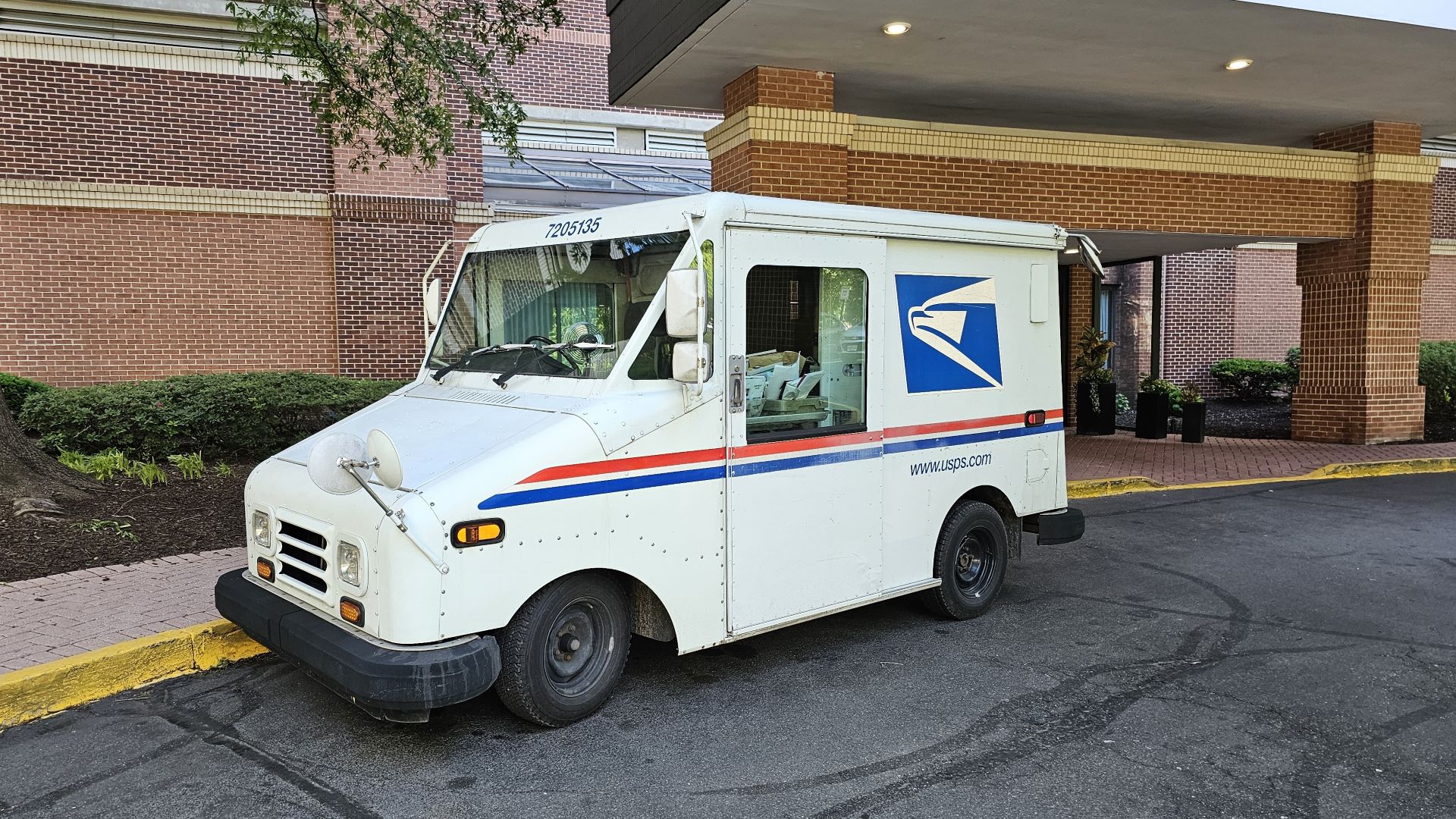
Canada Post will eliminate door-to-door mail and parcel delivery for approximately 620,000 Canadian addresses by 2027, shifting to community mailboxes as part of a cost-cutting restructuring, according to FreightWaves.
Scope of the Change
On Thursday, Canada Post said it will convert 485,000 additional addresses in 37 communities to community mailboxes in 2027, reported FreightWaves. This is on top of 136,000 addresses previously announced for conversion in late 2026 or early 2027. The affected areas include parts of Halifax, Ontario, and Calgary. Nearly three-quarters of Canadian addresses already receive mail and parcels through centralized delivery like community mailboxes, apartment lobby boxes, or post office boxes.
The national conversion program aims to transition 4 million addresses still receiving door-to-door service over about five years, with different areas transitioning each year. Canada Post is working with local governments in 13 initial communities to finalize locations for community mailboxes.
Why the Shift?
Canada Post’s financial losses are the driving force. The postal service posted a record loss of US$1.15 billion in 2025 and a first-quarter loss of $147.5 million in 2025, according to FreightWaves. It has lost money for eight consecutive years. Officials say consolidating delivery to central neighborhood locations will save substantial money, as the cost of delivering to individual homes and businesses is high.
Earlier this month, more than 50,000 letter carriers represented by the Canadian Union of Postal Workers ratified a new contract after over two years of labor uncertainty from strikes and other tactics that hurt revenues as businesses shifted volumes to alternative carriers. The contract approval unlocked Canada Post’s ability to proceed with operational reforms.
Operational Impact for Shippers and Logistics Operators
For freight forwarders, 3PL operators, and shippers relying on Canada Post for last-mile delivery, this change requires preparation. More than 80% of parcels delivered by Canada Post fit into a community mailbox’s individual or dedicated parcel compartment, according to FreightWaves. Parcels that do not fit or require a signature are delivered to the door or held for pickup at a nearby post office. Residential customers with physical limitations can request accommodations such as sliding trays, Braille features, or, in some cases, weekly home delivery.
Shippers should expect that a growing share of Canadian addresses will no longer receive doorstep parcel delivery from Canada Post. This may increase delivery times for items that must be picked up from community mailboxes or post offices, and could shift volumes toward alternative last-mile carriers that still offer door-to-door service. The conversion timeline means that by 2027, about 620,000 addresses will lose door-to-door delivery, and the broader program covering 4 million addresses will continue over five years.
Watch List
- Implementation pace: How quickly Canada Post executes the conversions in initial communities and whether milestones are met.
- Labor relations: The newly ratified contract provides stability, but future disputes could disrupt the restructuring timeline.
- Alternative carriers: Competitors such as Purolator (partly owned by Canada Post), UPS, FedEx, and regional couriers may capture volume as shippers seek door-to-door options.
- U.S. Postal Service parallels: The USPS is undergoing similar financial pressures and regulatory changes, which could influence Canada Post’s long-term strategy.
- Parcel volume trends: If business customers continue shifting volumes to alternative carriers, Canada Post’s financial recovery may lag, potentially accelerating further service reductions.
Sources: