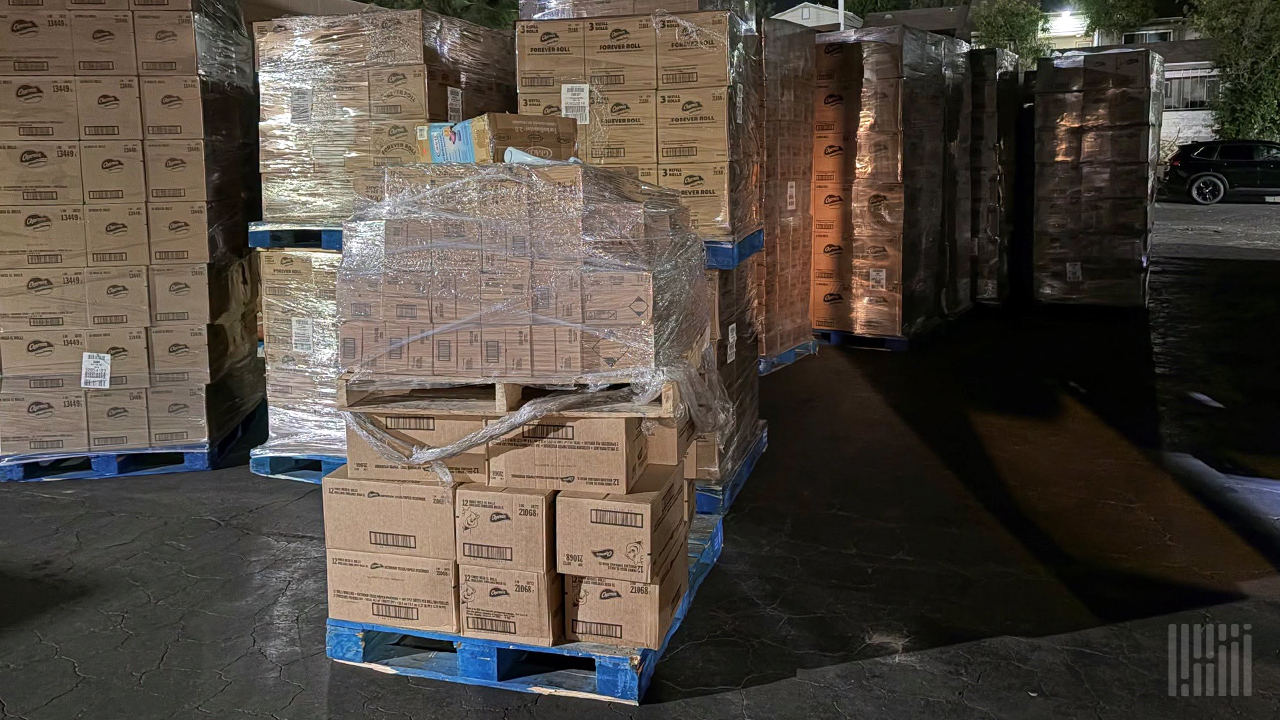
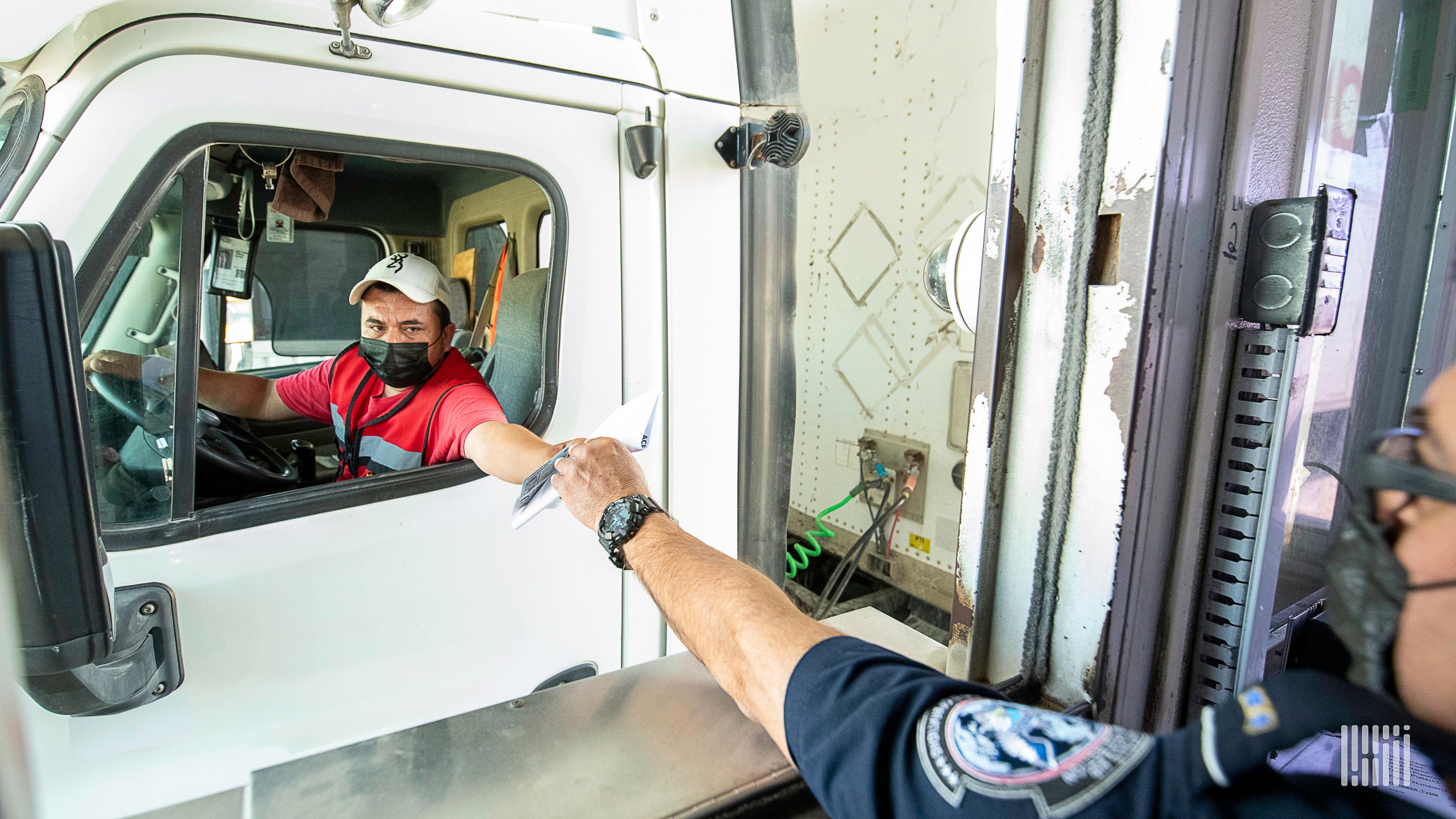
Cargo theft across Mexico continued to decline during the first five months of 2026, but trucking industry leaders say organized criminal groups are using increasingly violent tactics that have left at least 14 commercial drivers dead this year, according to Mexico's Executive Secretariat of the National Public Security System (SESNSP) and the National Freight Chamber of Commerce (Canacar). The trend threatens supply chain reliability for freight forwarders and shippers relying on Mexico's highways, which carry about 80% of the country's domestic and export freight.
SESNSP reported that authorities opened 2,099 cargo theft investigations between January and May, down 21% from 2,653 investigations during the same period in 2025, as reported by Mexico Business News. The total marks one of the country's lowest cargo theft levels in recent years and extends a downward trend that began after 2019. However, nearly 13,000 violent cargo robberies were recorded during the period, while fewer than 1,000 were nonviolent. That represents a 16% decline in overall robberies from the previous year, but the violence has escalated.
Violence escalates on key freight corridors
Canacar President Augusto Ramos Melo said during a recent industry report that "the violence in robberies has been a trigger that, as a sector, we cannot allow to continue," according to WRadio. Canacar, which represents roughly 250,000 transportation companies, reported that 14 truck drivers have been killed in highway attacks so far in 2026, highlighting what the organization describes as a shift toward more aggressive tactics by criminal groups. Robbers are increasingly using firearms and opening fire on truck drivers rather than waiting for vehicles to stop voluntarily.
| Metric | Jan-May 2025 | Jan-May 2026 | Change |
|---|---|---|---|
| Cargo theft investigations | 2,653 | 2,099 | -21% |
| Violent cargo robberies | ~15,476 (est.) | ~13,000 | -16% |
| Truck driver fatalities | Not specified | At least 14 | Increase |
In Guanajuato, a major manufacturing and logistics hub, Canacar officials reported that cargo theft declined about 7% over the past year but said attacks have become significantly more violent. Canacar regional Vice President Jaime García Almanza stated that more than 15 truck drivers have been killed during highway robberies in the state during the first half of 2026, with criminals increasingly using assault rifles and firing on operators immediately to stop vehicles, reported El Sol de León.
High-risk routes for cargo theft
The State of Mexico remained the country's largest cargo theft hotspot, recording 1,074 investigations during the first five months of 2026. Authorities and industry groups have also identified the Mexico-Pachuca Highway, the Circuito Exterior Mexiquense and connecting roadways around Tecámac, Ecatepec and Tizayuca among Mexico's highest-risk freight corridors.
Norberto Limón, Canacar's delegate in Veracruz, identified the stretch between Cumbres de Maltrata and Esperanza along the Veracruz-Puebla corridor as the country's most dangerous highway segment. About 70% of freight arriving at the Port of Veracruz moves toward central Mexico, forcing thousands of trucks to travel through the corridor where Canacar estimates more than half of cargo robberies occur. The group says drivers are most vulnerable when stopping for fuel, meals or rest breaks.
Implications for logistics operators
Freight forwarders and logistics managers moving goods through Mexico should reassess security protocols on the Veracruz-Puebla corridor and highways in the State of Mexico and Guanajuato. The Port of Veracruz serves as a critical gateway for ocean freight, and the violent corridor handling 70% of its outbound cargo represents a direct threat to supply chain continuity. Canacar's data indicates that even where theft numbers fall, the risk of violence remains high, potentially increasing insurance premiums and requiring armed escort or convoy travel for high-value shipments. Shippers should coordinate with carriers on real-time tracking, secure parking, and route planning to avoid the most dangerous segments, especially during night hours.
Government response and watch list
Mexico's federal government has expanded highway security efforts, though specific measures were not detailed in the source. Canacar continues to push for stronger enforcement. Watch list factors include further escalation of violence on the Veracruz-Puebla corridor, potential disruptions to port drayage at the Port of Veracruz, and the impact of any new government security deployments on cargo transit times.
Sources: