The Federal Railroad Administration's approval of a five-year waiver for Automated Track Inspection (ATI) technology will allow railroads to detect track defects more accurately and frequently, with CSX planning to deploy the system on over 3,000 route miles starting July 1, 2026, potentially reducing service disruptions and improving safety on key freight corridors.
Background on the FRA Waiver
The waiver, announced in December 2025 by U.S. Transportation Secretary Sean P. Duffy, permits railroads to substitute some visual inspections with ATI under certain conditions, provided they maintain human verification of critical findings. The waiver (Docket No. FRA-2025-0059) includes data-sharing requirements so the FRA can evaluate performance. According to FreightWaves, the decision aims to improve safety by blending high-tech tools with traditional inspections, following years of industry advocacy for more flexible track inspection rules under 49 CFR Part 213.
What Is Automated Track Inspection Technology?
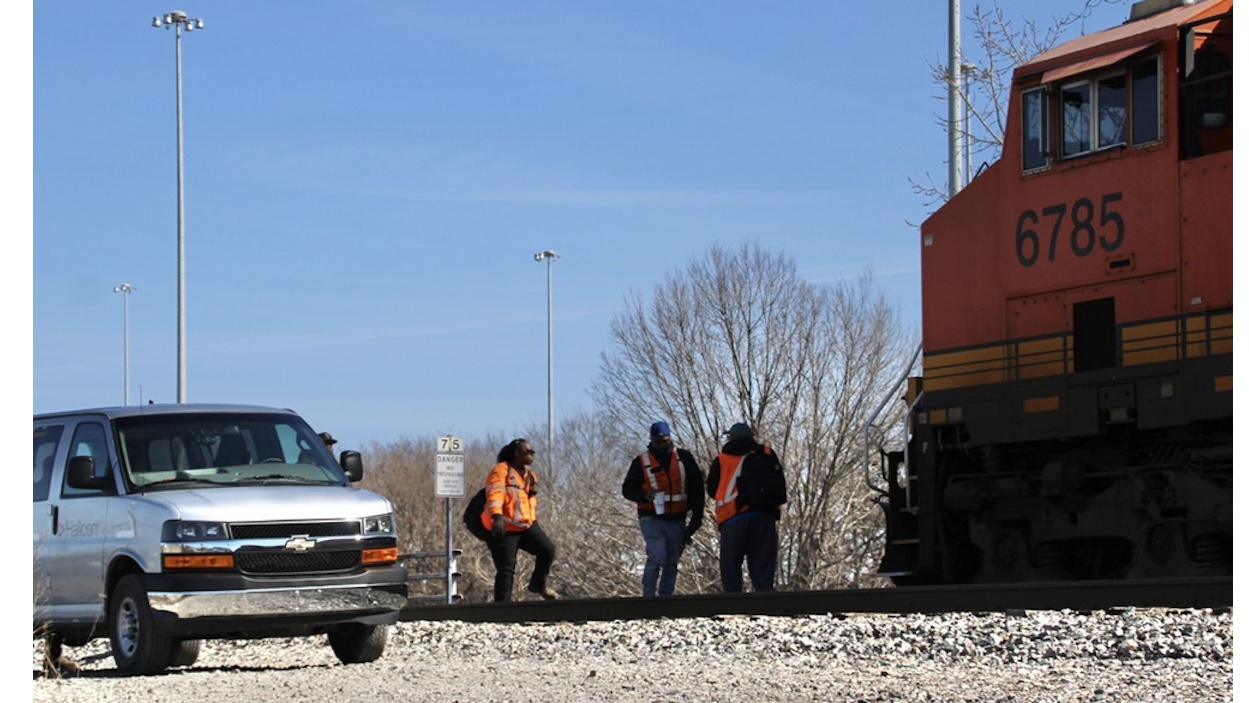
ATI uses lasers, cameras, sensors, and ground-penetrating radar mounted on regular freight trains or dedicated rail cars. As trains travel at normal speed, the system measures rail alignment, gauge, and track geometry under actual load — detecting subtle defects that human walkers or slow-moving inspectors might miss. Traditional inspections require workers to walk the rails or ride slow vehicles twice weekly on busy main lines, relying on visual checks for cracks or loose parts.
The following table compares the two inspection methods:
| Feature | Traditional Visual Inspection | Automated Track Inspection (ATI) |
|---|---|---|
| Frequency | Twice weekly on busy main lines | Continuous on equipped trains |
| Detection Method | Visual walk or slow-moving vehicle | Lasers, cameras, sensors, radar |
| Key Advantage | Human judgment for surface defects | Finds geometry defects missed visually |
| Limitation | Misses subtle geometry issues | May miss surface/vegetation problems |
According to Ted Greener, senior vice president of communications for the Association of American Railroads, “The data is clear: ATI is more effective than visual inspections alone, in some cases reducing track geometry defects by 90 percent. Importantly, even where ATI is used, visual inspections continue, working together to further strengthen freight rail’s record-breaking safety performance.”
CSX Deployment Plans and Impact
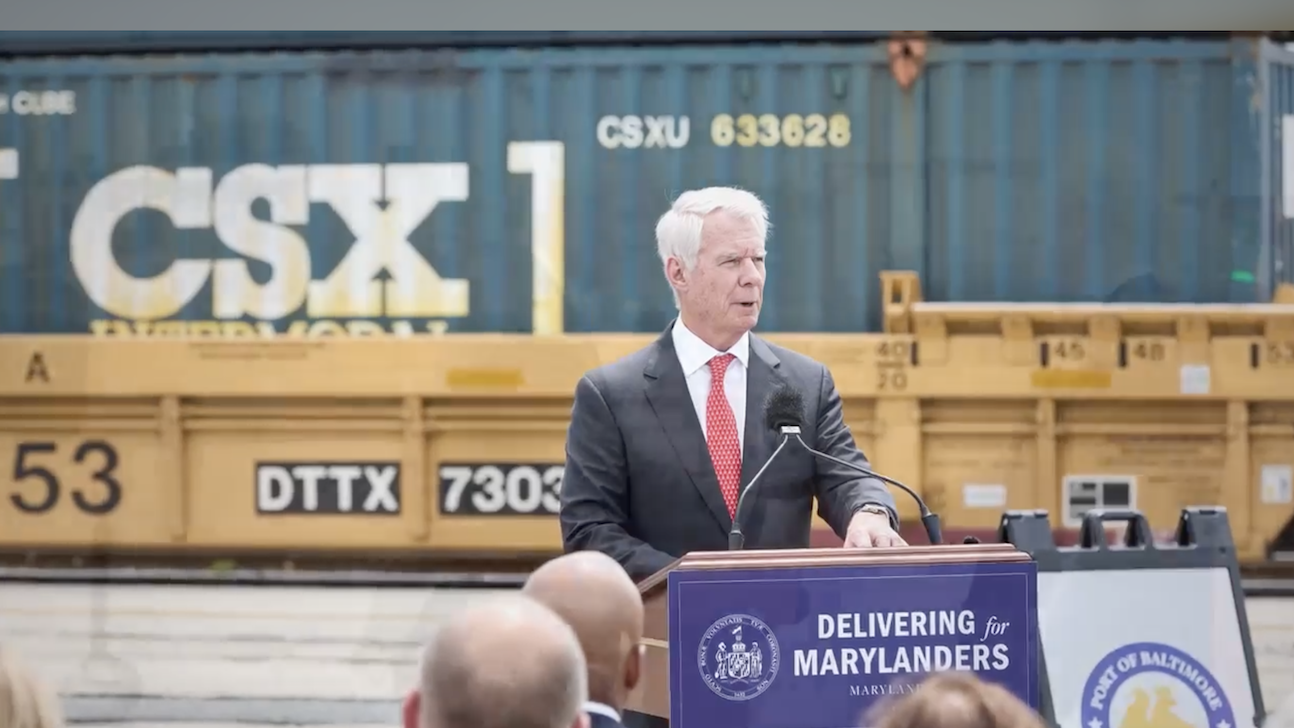
CSX intends to apply the waiver to over 3,000 route miles and more than 4,500 track miles, covering busy corridors including parts of the I-95 route. The railroad plans to deploy three geometry platforms:
- Nine Ensco autonomous boxcars
- Two traditional geometry cars
- One Holland locomotive-based system
Early pilot data cited by FreightWaves shows ATI often detects more geometry defects than visual checks alone. Supporters argue this data-driven approach can prevent derailments by enabling faster repairs. For shippers and logistics operators, fewer track-related service disruptions mean more reliable transit times on key lanes served by CSX, particularly along the East Coast.
Industry Reactions and Oversight
Critics, including some rail unions, worry that expanded ATI use could lead to fewer human inspectors over time. They argue automated systems miss certain defects that trained workers spot, such as surface issues or vegetation problems. The FRA has stressed that ATI assists inspectors rather than replacing them, and the waiver requires human verification of all key findings.
Broader Regulatory Context
This rail waiver fits a broader pattern of regulators granting exceptions to test safety technology in other modes. According to FreightWaves, the Federal Motor Carrier Safety Administration has issued waivers for autonomous trucks facing breakdowns, requiring reflective equipment placement — though those waivers address different operational risks. The common thread is a push for data-driven safety improvements while maintaining regulatory oversight.
For freight forwarders and logistics managers, the FRA's action signals a gradual shift toward technology-assisted infrastructure monitoring that could eventually reduce delays caused by track defects. While the immediate impact is limited to CSX's initial deployment, successful results may encourage other Class I railroads to pursue similar waivers, broadening the reliability gains across the U.S. rail network.
Sources: