CSX (NASDAQ: CSX) officially opened a $495 million reconstruction of the Howard Street Tunnel in Baltimore on June 23, 2026, a project expected to significantly boost intermodal container traffic at the Port of Baltimore and along the I-95 East Coast corridor, according to FreightWaves.
Transformative Public-Private Partnership
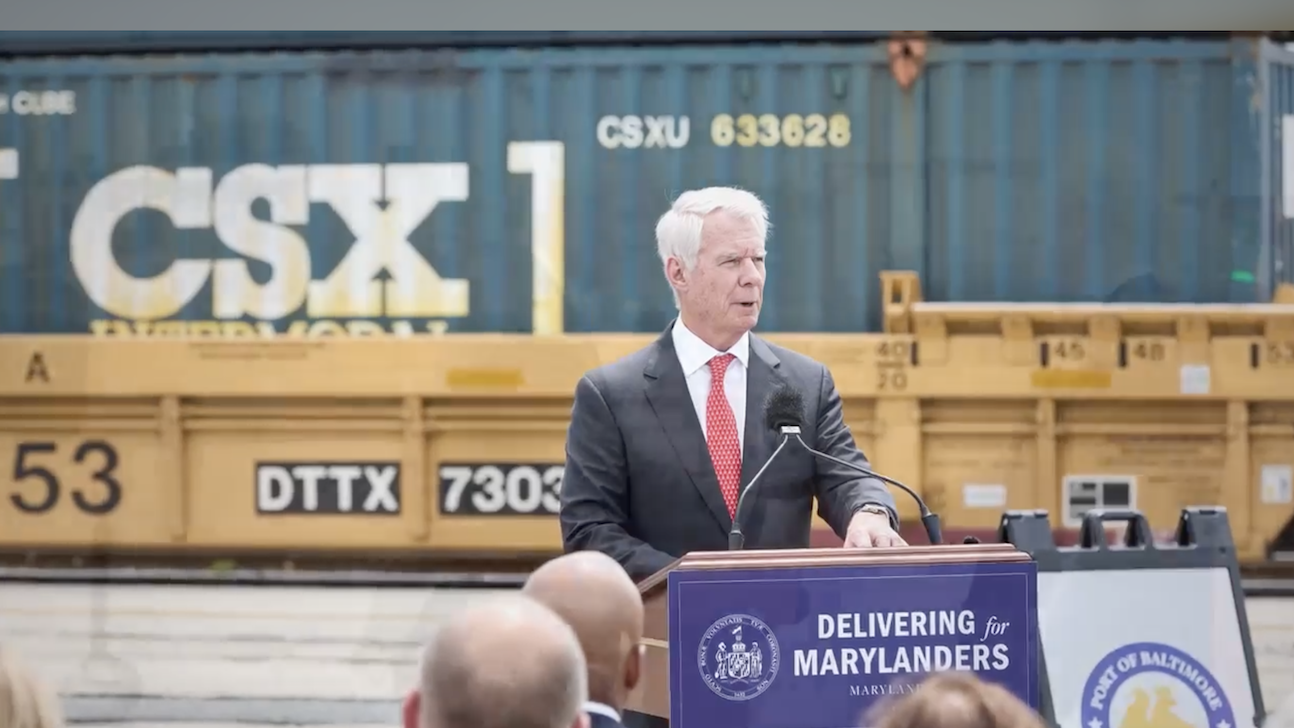
Maryland Governor Wes Moore joined CSX Chief Executive Steve Angel, Federal Railroad Administrator David Fink, and U.S. Senators Chris Van Hollen and Angela Alsobrooks for a ribbon-cutting ceremony at the reconstructed tunnel. The project was completed through a public-private partnership between the state, the Federal Railroad Administration, and CSX, coming in under the estimated $566 million cost. According to FreightWaves, the state invested $217 million and federal funding contributed $125 million.
"This is a transformative day for the Port of Baltimore and for Maryland," Moore said. "Thanks to our public-private partnership, we have opened doors to shipping up and down the Northeast, increasing our shipping capacity at the port, creating thousands of new jobs and generating about $1 billion annually in economic benefits for Marylanders, all while reducing emissions and benefitting the environment."
Double-Stack Clearance Unlocks Capacity
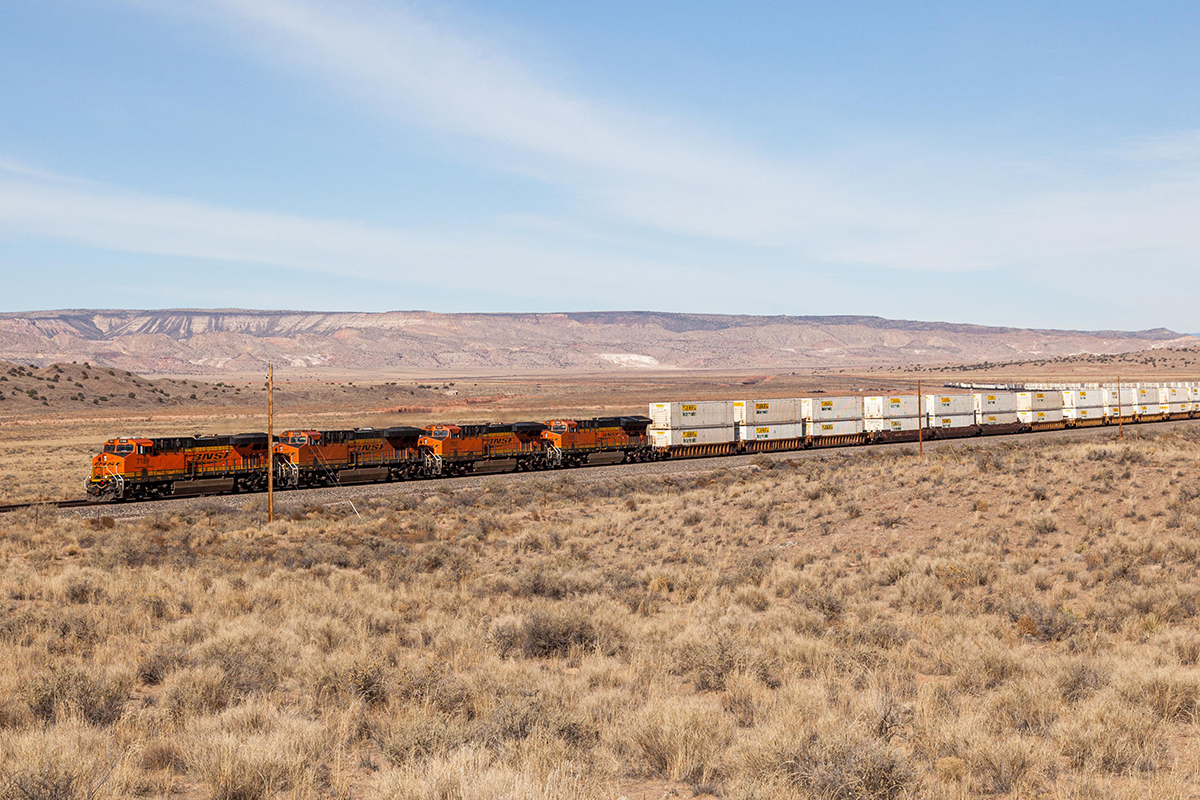
The project expanded tunnel clearance by 18 inches and made similar improvements at 21 track locations across Maryland, Delaware, and Pennsylvania. This enables double-stack container trains to travel to and from the Port of Baltimore, providing seamless double-stack capacity from Massachusetts to Florida and into Midwest markets, according to FreightWaves. Previously, trains had to detour north through Philadelphia to Selkirk, N.Y., or divert toward Hagerstown, Md., and hand traffic to Norfolk Southern.
Steve Angel said, "With full double-stack clearance now in place, we've removed a long-standing constraint in Baltimore and unlocked a more direct, efficient connection between the port and inland markets. This strengthens a critical link in our network and enables us to move more freight on existing trains, giving customers greater access, capacity and flexibility across the East Coast."
Impact on Port Volumes and Jobs
The Port of Baltimore expects to increase container volume by approximately 160,000 containers annually as a result of the project, according to FreightWaves. An estimated 13,000 new jobs will be created from expanding business, including construction and future operations, warehousing, and logistics positions.
Baltimore's Seagirt Marine Terminal, operated by Ports America, handled a record 1,113,309 TEUs (twenty-foot equivalent units) in 2025. Weekly container ship calls rose from 12 in 2024 to 15, and Mediterranean Shipping Co. will launch a new Asia and Mediterranean container service on July 1, according to FreightWaves.
Operational Benefits and Quotes
Maryland Port Administration Executive Director Jonathan Daniels said, "This is one of the most significant accomplishments in the history of the Port of Baltimore. Expanding a 131-year-old freight tunnel by lowering the track 18 inches to provide the necessary clearance to handle double-stacked containers will generate more business and jobs for the port while also creating valuable environmental benefits. Now with double-stack capabilities, the Port of Baltimore becomes the quickest and most efficient way to get containerized cargo to the Midwest."
| Metric | Before | After/Projected |
|---|---|---|
| Tunnel age | 131 years (opened 1895) | Reconstructed 2026 |
| Clearance improvement | Single-stack | Double-stack (18-inch increase) |
| Port container volume (annual) | 1,113,309 TEU (2025) | +~160,000 containers expected |
| Weekly container ship calls | 12 (2024) | 15 (2026); MSC new service July 1 |
| Project cost | Estimated $566M | Actual $495M |
| Public investment | -- | State $217M, Federal $125M |
| Jobs created | -- | ~13,000 |
| Route efficiency | Detours via Philadelphia/Selkirk | Direct double-stack along I-95 corridor |
Shipper and Operator Implications
For freight forwarders and logistics managers, the opening of double-stack clearance at Baltimore means faster rail transit times to Midwest markets and reduced reliance on congested detour routes. Ocean carriers benefit from improved rail connectivity at a port that already handles record volumes and increasing weekly ship calls. Shippers should evaluate routing options through the Port of Baltimore, especially for containerized cargo destined for the U.S. Midwest and Northeast, as the rail project provides a more direct and efficient connection.
Watch List
- New MSC service starting July 1: A new Asia and Mediterranean container service from Mediterranean Shipping Co. will launch, further boosting Baltimore's container volume.
- Ongoing infrastructure investments: Ports America has invested over $600 million in infrastructure, equipment, and technology at the port, which could further enhance capacity.
- Trade lane shifts: With double-stack capacity, Baltimore may capture additional cargo from other East Coast ports, especially for inland destinations.
Sources: